• Fri frakt över 249 kr
  • •
  • Snabba leveranser
  • •
  • Billiga böcker
Kundservice

Du är på sajten för privatpersoner.

Företag, bibliotek eller offentlig verksamhet?

Du handlar på classic.bokus.com, där alla dina funktioner finns intakta.
Till classic.bokus.com
Bokus logotyp. Gå till startsidan.
  • Erbjudanden
  • Nyheter
  • Student
  • Topplistor
  • Barn & ungdom
  • Bokus Play
  • E-böcker
  • Pocketböcker
  • Spel & pussel

10% studentrabatt med kod TERM26

Sidfot

Mina sidor

    Hjälp

    • Kundservice
    • Vanliga frågor och svar
    • Frakt och leverans
    • Retur vid ångerrätt
    • Reklamera vara
    • Betalning
    • Köpvillkor
    • Allmänna villkor
    • Information om webbplatsens tillgänglighet

    Om Bokus

    • Om oss
    • Pressrum
    • För studenter
    • För företag
    • För bibliotek och offentlig verksamhet
    • För leverantörer
    • Hållbarhet

    Populärt

    • Aktuella erbjudanden
    • Presentkort
    • Studentlitteratur
    • Nya böcker
    • Topplistor
    • Signerade böcker
    • Engelska böcker

    Inspiration

    • Boktips
    • BookTok
    • Populära bokserier
    • Barnbokskaraktärer
    • Populära författare
    Logotyp för Bokus
    Följ oss på Facebook (extern länk)Följ oss på Instagram (extern länk)Följ oss på YouTube (extern länk)Följ oss på TikTok (extern länk)
    bokus @ CookiesAnpassa cookiesIntegritetspolicyKöpvillkor
    Till Citymail hemsida (extern länk)Till Budbee hemsida (extern länk)Till Postnord hemsida (extern länk)Till Schenker hemsida (extern länk)Till Early Bird hemsida (extern länk)Till Walleys hemsida (extern länk)
    1. Juridik
    2. Internationell rätt

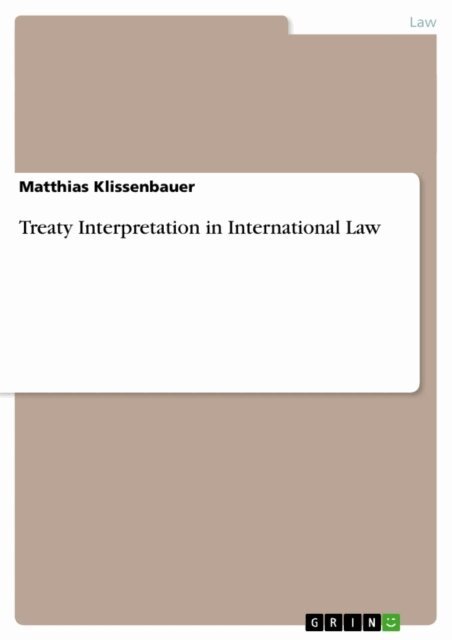
    Constitutions in Transition - Tendencies in European Constitutional Law after the Fall of Communism

    AvMatthias Klissenbauer

    E-bok
    PDF, Engelska, 2002

    70 kr

    Läs direkt i Bokus Reader – eller ladda ned till din enhet (PDF kräver ofta zoom och scroll på små skärmar).

    Beskrivning

    Seminar paper from the year 2000 in the subject Law - Comparative Legal Systems, Comparative Law, grade: very good, Jagiellonian University in Krakow (Summer School), course: Poland and Central Europe in Transition, language: English, abstract: Soon after the historical changes that took place in Central and Eastern Europe in 1989, it became clear that any new political, social, cultural and economical system introduced after the fall of communism had to be based on a constitutional system of western type. As it will be pointed later, this does not necessarily mean, that basic ideas and concepts of constitutions like those existing in western Europe were completely unknown in the CEE-countries in communist times. However, the need to find a kind of legal framework to prevent drawbacks on the way to democracy and market-orientated economy as well as the demonstration of the new orientation towards the west made significant changes of the constitutional system even more important. From the very beginning there were two sides to the constitutional aspect of transitions. On the one hand, national problems had to be solved. On the other hand, an international political pressure could be observed, e.g. concerning the protection of human rights. The search for a new legal system was a walk on a fine line between principles and compromises on both internal and international level.


    Produktinformation

    • Utgivningsdatum:2002-02-23
    • Språk:Engelska
    • Filformat:PDF
    • Kopieringsskydd:LCP
    • ISBN:9783638113687
    • Förlag:GRIN Verlag

    Utforska kategorier

    • Internationell rätt inom Juridik