E-bok, Tyska, 2026
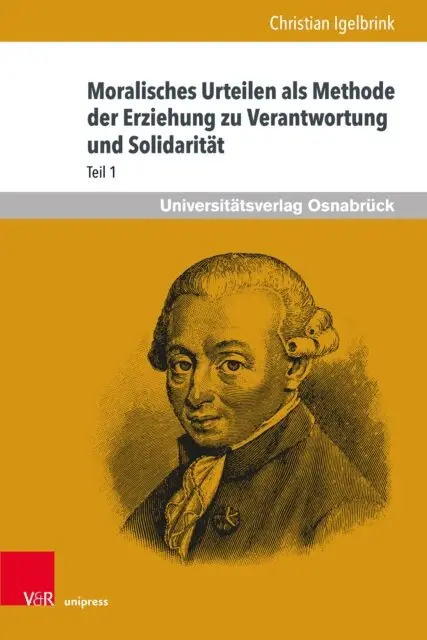
Moralisches Urteilen als Methode der Erziehung zu Verantwortung und Solidarität
1423 kr
Läs direkt i Bokus Reader – eller ladda ned till din enhet (PDF kräver ofta zoom och scroll på små skärmar).
Beskrivning
Angesichts der curricularen wie auch der didaktischen Debatte dürfte die Entwicklung von Urteilskompetenz bzw. Urteilskraft als zentrales Bildungsziel pädagogischen Handelns außer Frage stehen. Vor diesem Hintergrund besteht das Hauptanliegen der vorliegenden Arbeit darin aufzuzeigen, wie verantwortliche Urteilsbildung – und zwar sowohl hinsichtlich ihrer Sach- und Wertebene als auch insbesondere ihrer moralischen Dimension – in Lehr-Lern-Situationen initiiert und gefördert werden kann. Zu diesem Zweck entwickelt Christian Igelbrink eine dreiteilige Argumentation, deren Ziel es ist, moralische bzw. politisch-moralische Urteilsbildung ethisch zu begründen, erziehungstheoretisch zu verorten sowie im Bewusstsein pädagogischer Anschlussfähigkeit didaktisch zu konzeptualisieren.Considering the curricular and didactic debates, the fact that the development of judgement competences constitutes an important part of any educational work is out of question. In this light, this thesis intends to elucidate how responsible jugdement formation – concerning its factual and value-related aspects as well as its moral dimensions – can be initiated and supported in learning situations. For this purpose, a line of argument, consisting of three parts, is being developed, in order to substantiate moral judgement ethically, to locate it in the context of educational theories and to explicate its didactical conceptualisation.
Produktinformation
- Utgivningsdatum: 2026-04-20
- Språk: Tyska
- Filformat: PDF
- Kopieringsskydd: LCP
- ISBN: 9783847019701
- Förlag: Brill Deutschland GmbH
Utforska kategorier
Betyg & recensioner
0 recensioner
Inga recensioner tillgängliga.