• Fri frakt över 249 kr
  • •
  • Snabba leveranser
  • •
  • Billiga böcker
Kundservice

Du är på sajten för privatpersoner.

Företag, bibliotek eller offentlig verksamhet?

Du handlar på classic.bokus.com, där alla dina funktioner finns intakta.
Till classic.bokus.com
Bokus logotyp. Gå till startsidan.
  • Erbjudanden
  • Nyheter
  • Student
  • Topplistor
  • Barn & ungdom
  • Bokus Play
  • E-böcker
  • Pocketböcker
  • Spel & pussel

10% studentrabatt med kod TERM26

Sidfot

Mina sidor

    Hjälp

    • Kundservice
    • Vanliga frågor och svar
    • Frakt och leverans
    • Retur vid ångerrätt
    • Reklamera vara
    • Betalning
    • Köpvillkor
    • Allmänna villkor
    • Information om webbplatsens tillgänglighet

    Om Bokus

    • Om oss
    • Pressrum
    • För studenter
    • För företag
    • För bibliotek och offentlig verksamhet
    • För leverantörer
    • Hållbarhet

    Populärt

    • Aktuella erbjudanden
    • Presentkort
    • Studentlitteratur
    • Nya böcker
    • Topplistor
    • Signerade böcker
    • Engelska böcker

    Inspiration

    • Boktips
    • BookTok
    • Populära bokserier
    • Barnbokskaraktärer
    • Populära författare
    Logotyp för Bokus
    Följ oss på Facebook (extern länk)Följ oss på Instagram (extern länk)Följ oss på YouTube (extern länk)Följ oss på TikTok (extern länk)
    bokus @ CookiesAnpassa cookiesIntegritetspolicyKöpvillkor
    Till Citymail hemsida (extern länk)Till Budbee hemsida (extern länk)Till Postnord hemsida (extern länk)Till Schenker hemsida (extern länk)Till Early Bird hemsida (extern länk)Till Walleys hemsida (extern länk)
    1. Historia och arkeologi
    2. Historia
    3. Militärhistoria
    4. Tidigmodern militärhistoria

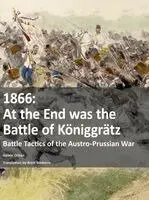
    1866 - At the End was the Battle of Koeniggratz

    Battle Tactics of the Austro-Prussian War

    AvGabor Orban

    Häftad, Engelska, 2026

    451 kr

    Skickas . Fri frakt över 249 kr.

    Beskrivning

    The scholarly inquiry of the causes of Austrias defeat in 1866 is almost asold as the war against rising Prussia itself. Already in the immediateaftermath of the conflict, considerable energy was devoted to identifying thesources of failure. At the time, responsibility was attributed to themisjudgements of the high command, and above all to the commander-in-chief ofthe k.k. North Army, Feldzeugmeister Ludwig von Benedek. This one-sidedinterpretation, together with the broader debate surrounding the so-calledquestion of guilt (Schuldfrage), was later treated with increasing nuance.During the twentieth century, historians sought the origins of the defeat atboth political and military levels. From a military perspective, research hasprimarily examined developments in armaments technology, the (strategic-)operational miscalculations of the campaign, and the structural deficiencies ofthe k.k. Army, which stemmed in large part from severe budgetary restrictions.By contrast, comparatively little attention has been devoted to battle tactics.In 1866, Austria entered the war against Prussia with a tactical doctrinenearly sixty years old, based on an overestimation of the historical traditionof military values. This volume examines precisely this neglected aspect. Within the broadercontext of armed conflicts since the Revolutionary and Napoleonic Wars againstFrance, it introduces and systematically analyses Austrian military doctrine,with particular emphasis on tactics. The study critically examines the outdatedsystems of recruitment and training, while also considering the related fieldsof uniforms and equipment, soldiers daily life, and military communication. Theinvestigation, however, focuses primarily on two main themes: first, theAustrians disdain for the employment of firearms; and second, their unshakeablebelief in the invincibility of their own close-order battle formations. Thebayonet charge, in particular, was accorded a special and almost emblematicstatus. The volume further explores the interaction between the various arms inwartime and highlights the complex interrelationship between strategic andtactical concepts. It becomes clear that the k.k. Austrian Army was among thevery last of the truly Napoleonic forces; an army whose admirable courage couldno longer compensate for hopelessly outdated infantry tactics in the age ofindustrialised warfare.

    Produktinformation

    • Utgivningsdatum:2026-04-15
    • Mått:262 x 22 x 191 mm
    • Vikt:1 045 g
    • Format:Häftad
    • Språk:Engelska
    • Antal sidor:224
    • Förlag:Zeughausverlag GmbH
    • ISBN:9783963600746

    Utforska kategorier

    • Tidigmodern militärhistoria inom Historia och arkeologi

    Innehållsförteckning

    • ForewordIntroductionState of researchThe armyThe Austrian army spiritImpact of the financial crisisThe clash of armsThe long road to war an overviewThe Schleswig-Holstein Question 1863-1865Mobilisation and deploymentThe war beginsAll quiet in the southThe invasion of BohemiaThe North Army in crisisKöniggrätzRetreat to OlmützFormation of the k.k. Danube ArmyConclusion of peaceForgotten fronts: Tyrol and the Main CampaignThe theatre of warThe terrainFortified defensive positions and entrenchmentsThe tactical levelGeneral considerationsArmy organisationConscription and length of serviceDrill manualsThe firefightHurrah and charge the Austrian shock tacticsMorale, discipline and panicTransport, march, and rationsUniform and equipment of the soldierColoursCooperation between the branchesExcursus: The strategic levelTheoretical starting pointThe operational plans in 1866Command and controlIntelligenceSummaryAnswering the research questionsRecap and outlookConcluding wordsList of sources and referencesPicture creditsIndex of places and persons