

- Nyhet
AvHamilton
131 kr
Läs direkt i Bokus Reader – eller ladda ned till din enhet

Hamilton, Sutcliffe R, John D. Hamilton, Roger Sutcliffe
Inbunden, 1996
2 530 kr

Hamilton, Crossley, Denis Hamilton, Stephen Crossley
Inbunden, 2003
3 413 kr
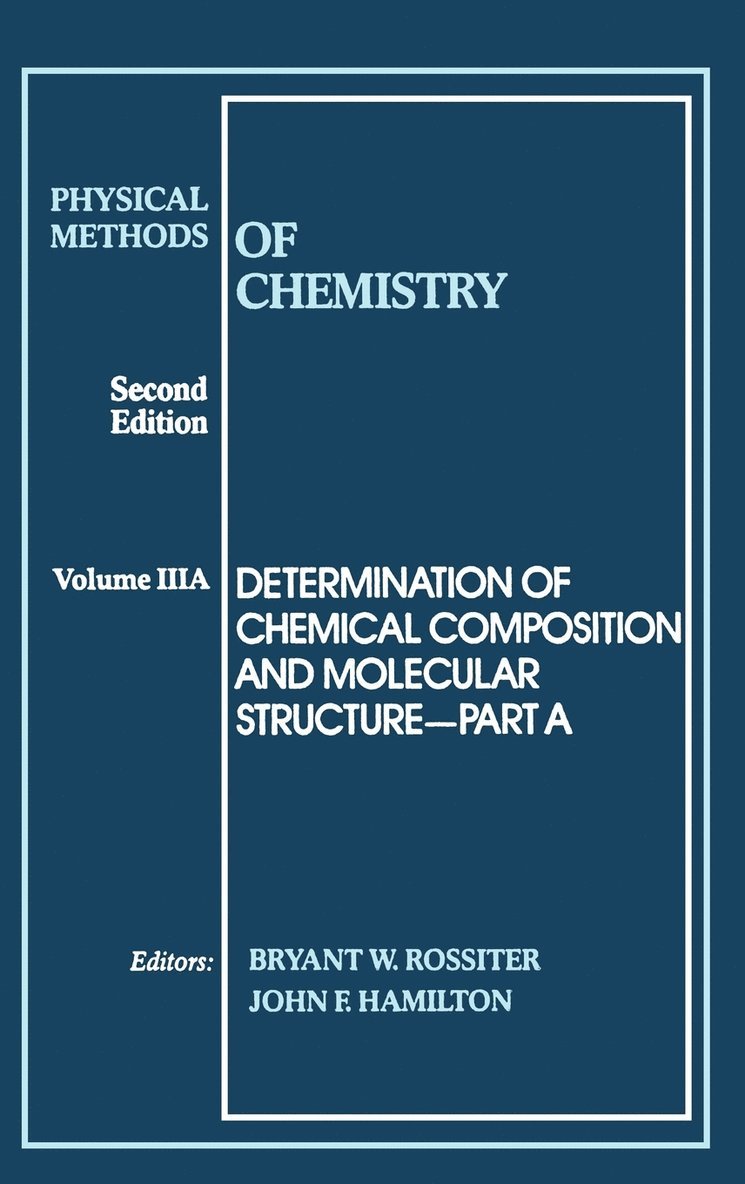
Rossiter, HAMILTON, Bryant W. Rossiter, John F. Hamilton
Inbunden, 1987
7 951 kr



Charles E. Hewett, Thomas Hamilton, Ina C Anderson, Charles E. Hewett, Hamilton
Inbunden, 1981
1 053 kr


Hamilton, Donna B. Hamilton
Inbunden, 2006
1 524 kr

Hamilton, Donna B. Hamilton
Inbunden, 2006
1 524 kr
Charles E. Hewett, Thomas Hamilton, Ina C Anderson, Charles E. Hewett, Hamilton
Inbunden, 1981
1 053 kr

Hamilton, Sutcliffe R, John D. Hamilton, Roger Sutcliffe
Inbunden, 1996
2 530 kr

Rossiter, HAMILTON, Bryant W. Rossiter, John F. Hamilton
Inbunden, 1987
7 951 kr
AvHamilton
131 kr
Läs direkt i Bokus Reader – eller ladda ned till din enhet
Hamilton, Sutcliffe R, John D. Hamilton, Roger Sutcliffe
Inbunden, 1996
2 530 kr
Hamilton, Crossley, Denis Hamilton, Stephen Crossley
Inbunden, 2003
3 413 kr
Rossiter, HAMILTON, Bryant W. Rossiter, John F. Hamilton
Inbunden, 1987
7 951 kr
Charles E. Hewett, Thomas Hamilton, Ina C Anderson, Charles E. Hewett, Hamilton
Inbunden, 1981
1 053 kr
Hamilton, Donna B. Hamilton
Inbunden, 2006
1 524 kr
Hamilton, Donna B. Hamilton
Inbunden, 2006
1 524 kr
Charles E. Hewett, Thomas Hamilton, Ina C Anderson, Charles E. Hewett, Hamilton
Inbunden, 1981
1 053 kr
Hamilton, Sutcliffe R, John D. Hamilton, Roger Sutcliffe
Inbunden, 1996
2 530 kr
Rossiter, HAMILTON, Bryant W. Rossiter, John F. Hamilton
Inbunden, 1987
7 951 kr