Häftad, Engelska, 2024
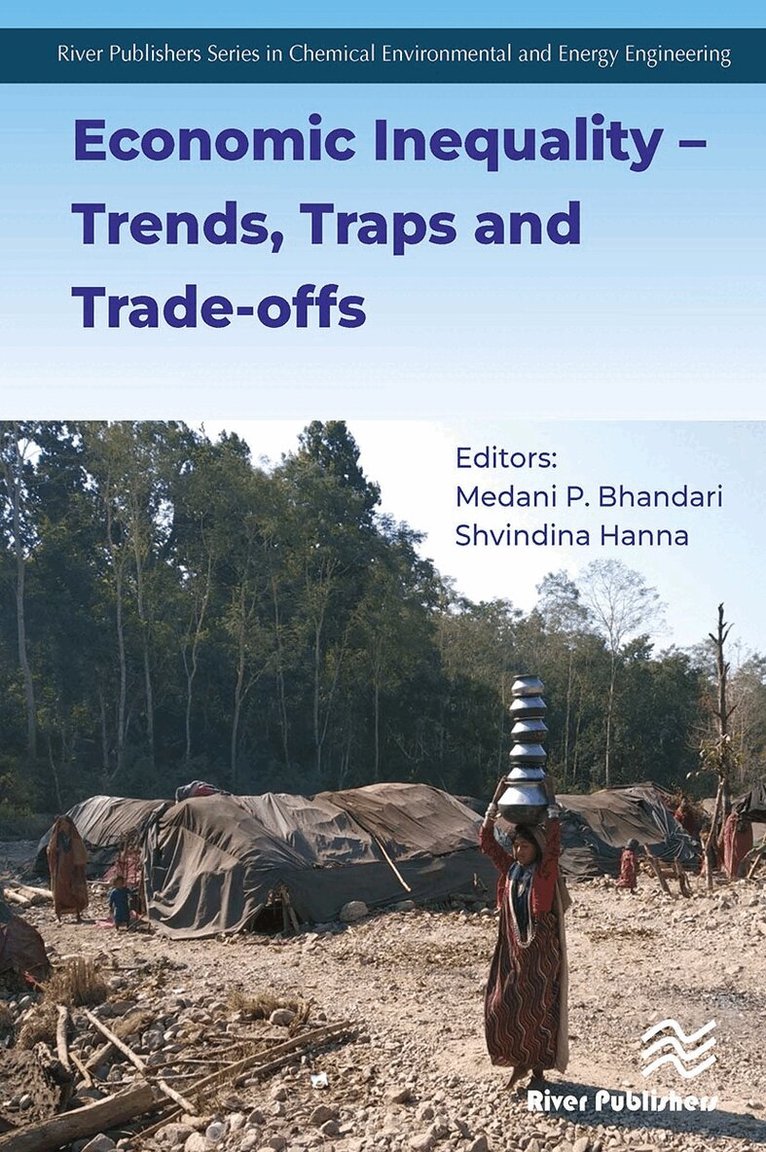
Economic Inequality � Trends, Traps and Trade-offs
Av Medani P. Bhandari, Shvindina Hanna
650 kr
Beställningsvara. Skickas inom 10-15 vardagar. Fri frakt över 249 kr.
Beskrivning
The book “Economic Inequality – Trends, Traps and Trade-offs” presents the unexplored issues of economic inequality, including case studies of various countries. Inequality is a chronic divisive factor of society. It is well known that inequalities (such as economic, social, cultural, religious, geographical, etc.) have been omnipresent in human society. Inequalities can be found within each family, each community, and each nation and thus globally. Inequality is a major cause of political, economic, social instability, and creates crisis and conflict within society. A major cause of inequality is unequal, uneven, biased, power centric distributions of human economic, social, political, cultural and spiritual human necessities.The edited book examines the major parameters of the socio-economic issues of inequality and focuses on the key economic issues of inequality, namely, income and wealth distribution, equity & equality of outcome, and equality of opportunities. Economic inequality is measured by wealth, income dsiproportions in distribution and consumption patterns in a specific area. Mostly, inequality is measured using various statistical tools including the Gini Coefficient, inequality adjusted human development index, 20:20 ratio, Palma ratio, Hoover index, Galt score, Coefficient of variation, Theil index, wage share etc. However, not all income can be measured by these tools. By using case studies, this book encourages us to reframe economic development through the lens of growing inequalities and disparities. Economic growth per se is disproportional, and the efforts of scholars, practitioners and policymakers should be directed to empower the marginalized of society in a way that ‘no one should left behind’ (UN Slogan).
Produktinformation
- Utgivningsdatum: 2024-10-21
- Mått: 156 x 234 x 21 mm
- Vikt: 580 g
- Format: Häftad
- Språk: Engelska
- Antal sidor: 342
- Förlag: River Publishers
- ISBN: 9788770043052
Utforska kategorier
Betyg & recensioner
0 recensioner
Inga recensioner tillgängliga.