• Fri frakt över 249 kr
  • •
  • Snabba leveranser
  • •
  • Billiga böcker
Kundservice

Du är på sajten för privatpersoner.

Företag, bibliotek eller offentlig verksamhet?

Du handlar på classic.bokus.com, där alla dina funktioner finns intakta.
Till classic.bokus.com
Bokus logotyp. Gå till startsidan.
  • Erbjudanden
  • Nyheter
  • Student
  • Topplistor
  • Barn & ungdom
  • Bokus Play
  • E-böcker
  • Pocketböcker
  • Spel & pussel

10% rabatt på allt med kod: NYSTART10 →

Sidfot

Mina sidor

    Hjälp

    • Kundservice
    • Vanliga frågor och svar
    • Frakt och leverans
    • Retur vid ångerrätt
    • Reklamera vara
    • Betalning
    • Köpvillkor
    • Allmänna villkor
    • Information om webbplatsens tillgänglighet

    Om Bokus

    • Om oss
    • Pressrum
    • För studenter
    • För företag
    • För bibliotek och offentlig verksamhet
    • För leverantörer
    • Hållbarhet

    Populärt

    • Aktuella erbjudanden
    • Presentkort
    • Studentlitteratur
    • Nya böcker
    • Topplistor
    • Signerade böcker
    • Engelska böcker

    Inspiration

    • Boktips
    • BookTok
    • Populära bokserier
    • Barnbokskaraktärer
    • Populära författare
    Logotyp för Bokus
    Följ oss på Facebook (extern länk)Följ oss på Instagram (extern länk)Följ oss på YouTube (extern länk)Följ oss på TikTok (extern länk)
    bokus @ CookiesAnpassa cookiesIntegritetspolicyKöpvillkor
    Till Citymail hemsida (extern länk)Till Budbee hemsida (extern länk)Till Postnord hemsida (extern länk)Till Schenker hemsida (extern länk)Till Early Bird hemsida (extern länk)Till Walleys hemsida (extern länk)
    1. Filosofi och religion
    2. Filosofi
    3. Filosofiska discipliner

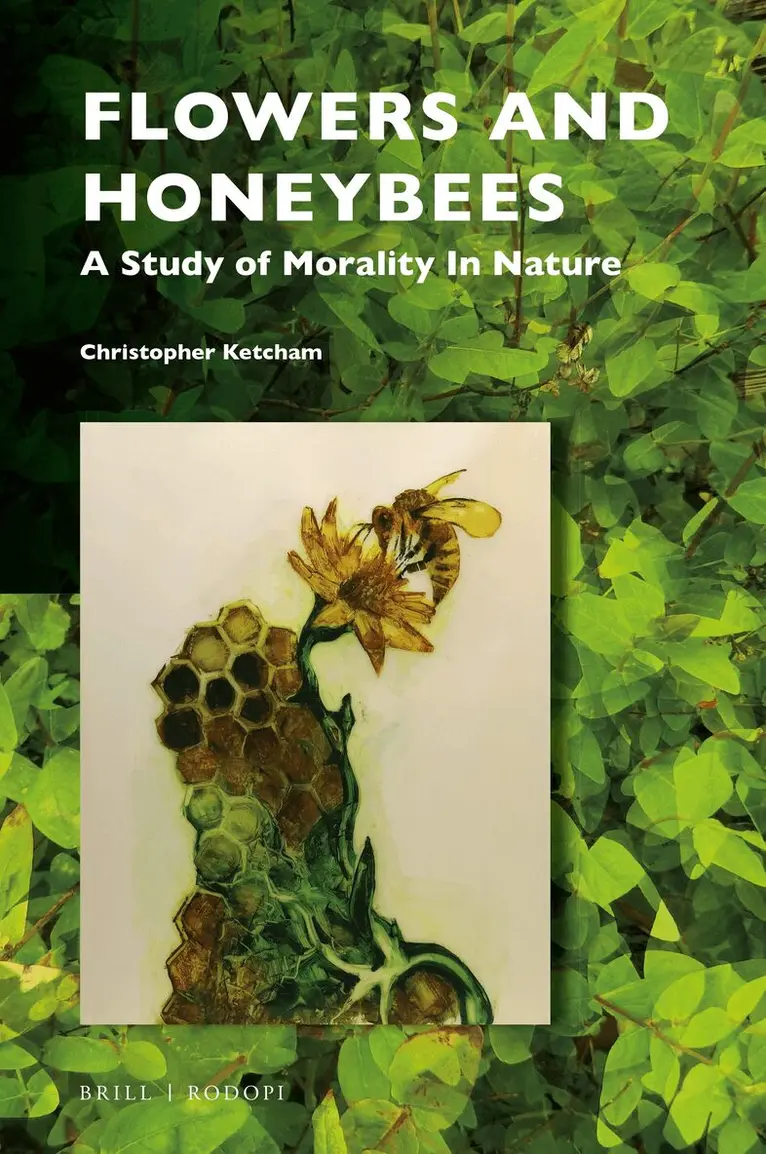
    Flowers and Honeybees

    A Study of Morality In Nature

    AvChristopher Ketcham

    Häftad, Engelska, 2020

    Del i serien Critical Plant Studies

    835 kr

    Beställningsvara. Skickas inom 5-8 vardagar. Fri frakt över 249 kr.

    Beskrivning

    Can we discover morality in nature? Flowers and Honeybees extends the considerable scientific knowledge of flowers and honeybees through a philosophical discussion of the origins of morality in nature. Flowering plants and honeybees form a social group where each requires the other. They do not intentionally harm each other, both reason, and they do not compete for commonly required resources. They also could not be more different. Flowering plants are rooted in the ground and have no brains. Mobile honeybees can communicate the location of flower resources to other workers. We can learn from a million-year-old social relationship how morality can be constructed and maintained over time.

    Produktinformation

    • Utgivningsdatum:2020-05-23
    • Mått:155 x 235 x 14 mm
    • Vikt:375 g
    • Format:Häftad
    • Språk:Engelska
    • Serie:Critical Plant Studies
    • Antal sidor:232
    • Förlag:Brill
    • ISBN:9789004430969

    Utforska kategorier

    • Filosofiska discipliner inom Filosofi och religion

    Mer om författaren

    Christopher Ketcham, Ph.D., is retired from the University of Houston Downtown where he taught risk management and ethics. Chris has published in The Journal of Animal Ethics, Space Policy Journal, Marcel Studies, Philosophical Inquiries, and Journal of the Philosophy of Life.

    Innehållsförteckning

    • AcknowledgementsPreface: Introducing the MeadowIntroduction1 The Question This Study Explores2 The Shape of This StudyCited References1 Optimization, MEP, and Mutualism1 Introduction2 Optimization3 Maximum Entropy Production (MEP)4 MutualismCited References2 Emergence of the Flower and Honeybee Mutualism and Flower and Honeybee Ontology and Morphology1 Introduction2 Evolution of the Flower Honeybee Mutualism3 Emergence4 Angiosperm Morphology5 Flower Morphology6 Honeybee Eusociality and Morphology7 The Moral HoneybeeCited References3 Flower and Honeybee Epistemology and Behavior1 Introduction2 Angiosperm Epistemology and Behavior3 Plant Intelligence—a Philosophical Discussion4 Honeybee Epistemology and Behavior5 Consciousness in Flowers and Honeybees6 Moral EleganceCited References4 Epigenetics1 Epigenetics Defined2 Promise of Epigenetics3 Epigenetic Purposes4 General Implications of Epigenetics5 Implications of Epigenetics for Flowers and HoneybeesCited References5 The Good and the Emergence of Morality in the Flower and Honeybee Mutualism1 Introduction2 Asymmetricity3 Responsibility4 Reciprocal Responsibility5 Up from Value6 Hospitality7 Pragmatic Naturalism8 Altruism9 Singer’s Requirements for Morality to Emerge Applied to Flowers and Honeybees10 Epigenetic Rules11 Naturalistic Fallacies and Naturalistic Facts12 Flower and Honeybee Oughts and Obligates13 Morality in NatureCited References6 Study Summary and a Critique of Maximization1 Study Summary2 A Brief and Preliminary Critique of MaximizationCited ReferencesIndex