
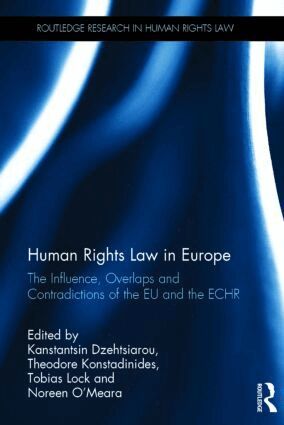
Human Rights Law in Europe
Kanstantsin Dzehtsiarou, Theodore Konstadinides, Tobias Lock, Noreen O'Meara
Inbunden, 2014
2 275 kr
2 231 kr
Läs direkt i Bokus Reader – eller ladda ned till din enhet (PDF kräver ofta zoom och scroll på små skärmar).
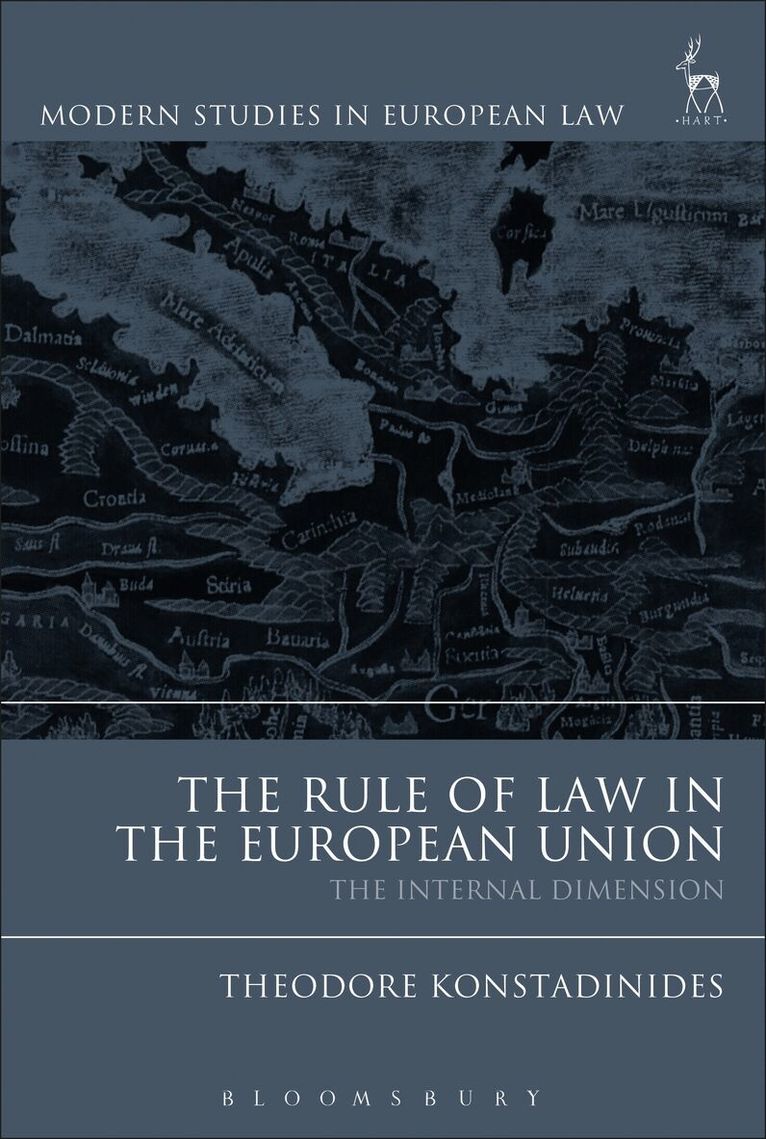
The European Union has flourished and expanded over the last fifty years as a unique system that lies midway between a federal state and an anarchical international system. Different actors coexist within a cooperative hegemony of Member States, and the allocation of competences and decision-making among them has always been at the centre of the integration process. In fact, demands for clearer limits to the Union’s decision-making power and enduring tension over the nature and purpose of European integration have been the key drivers of integration and change.
This deeply informed and thoughtful book thoroughly examines the manner in which the principle of division of powers has developed in EU Law over the course of European integration, and casts light on the path towards a more efficient delimitation of internal competence between the main actors: namely, the European Union and the Member States. Among the topics investigated in depth are the following:
Addressing numerous crucial issues – among them the degree of permanence of the nation-state in a context of ambiguous constitutional authority, and the width of the democratic base of the Union’s ‘institutional dynamic’ of cooperation and consensus – the author lucidly describes a seeming paradox: an ‘ever-closer union’, with a growing democratic legitimacy, congruent with a supranational community that falls short of a fully-fledged democratic political entity. The countless perspectives and clarifications discovered along the way are sure to engage academics and policymakers working in the fields of the European integration project, and will provide ample insights and food for thought.
Kanstantsin Dzehtsiarou, Theodore Konstadinides, Tobias Lock, Noreen O'Meara
Inbunden, 2014
2 275 kr
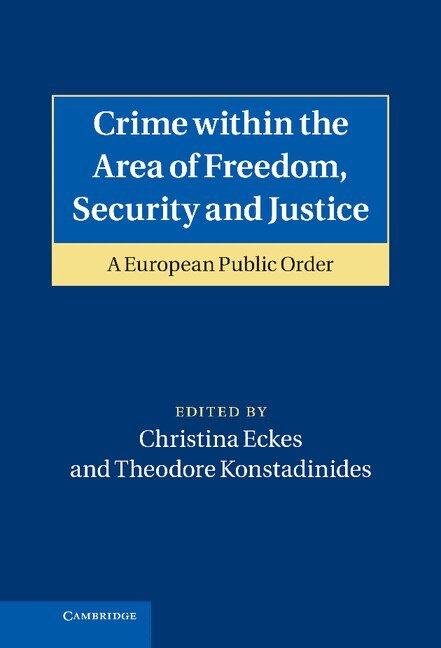
Christina Eckes, Theodore Konstadinides
Inbunden, 2011
1 562 kr
Noreen O'Meara, Tobias Lock, Theodore Konstadinides, Kanstantsin Dzehtsiarou
873 kr
Noreen O'Meara, Tobias Lock, Theodore Konstadinides, Kanstantsin Dzehtsiarou
873 kr
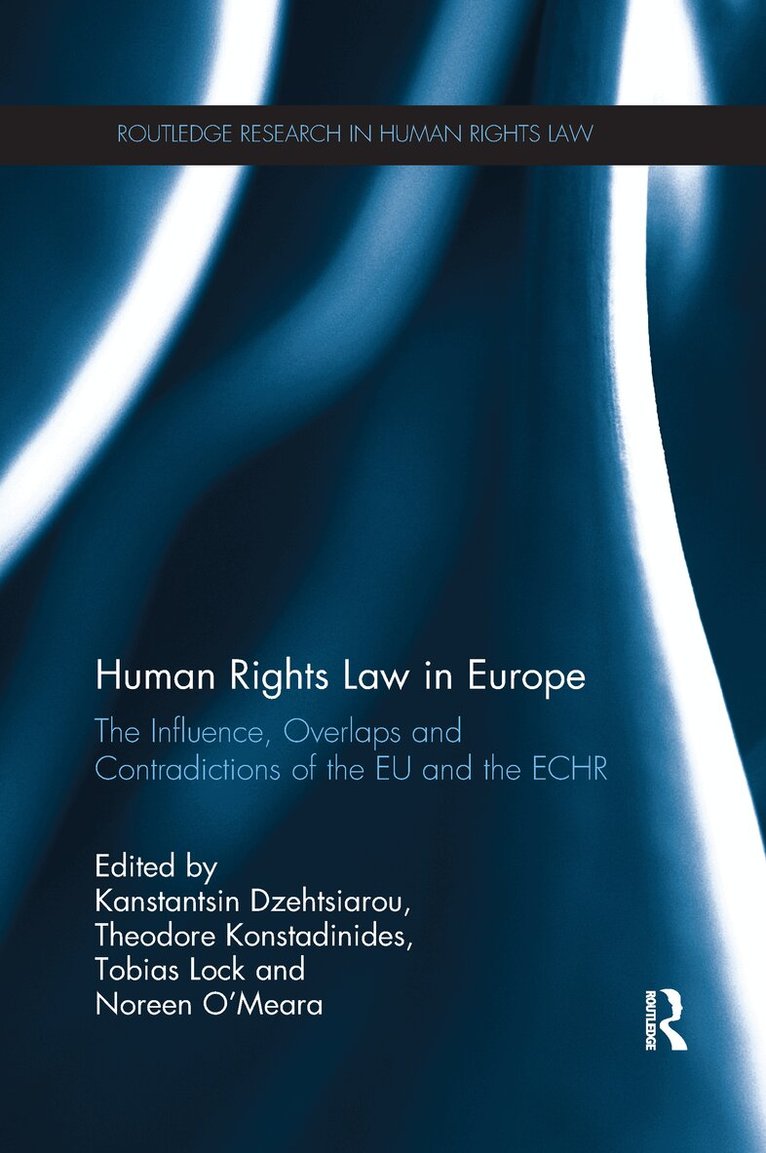
Kanstantsin Dzehtsiarou, Theodore Konstadinides, Tobias Lock, Noreen O'Meara
Häftad, 2016
745 kr
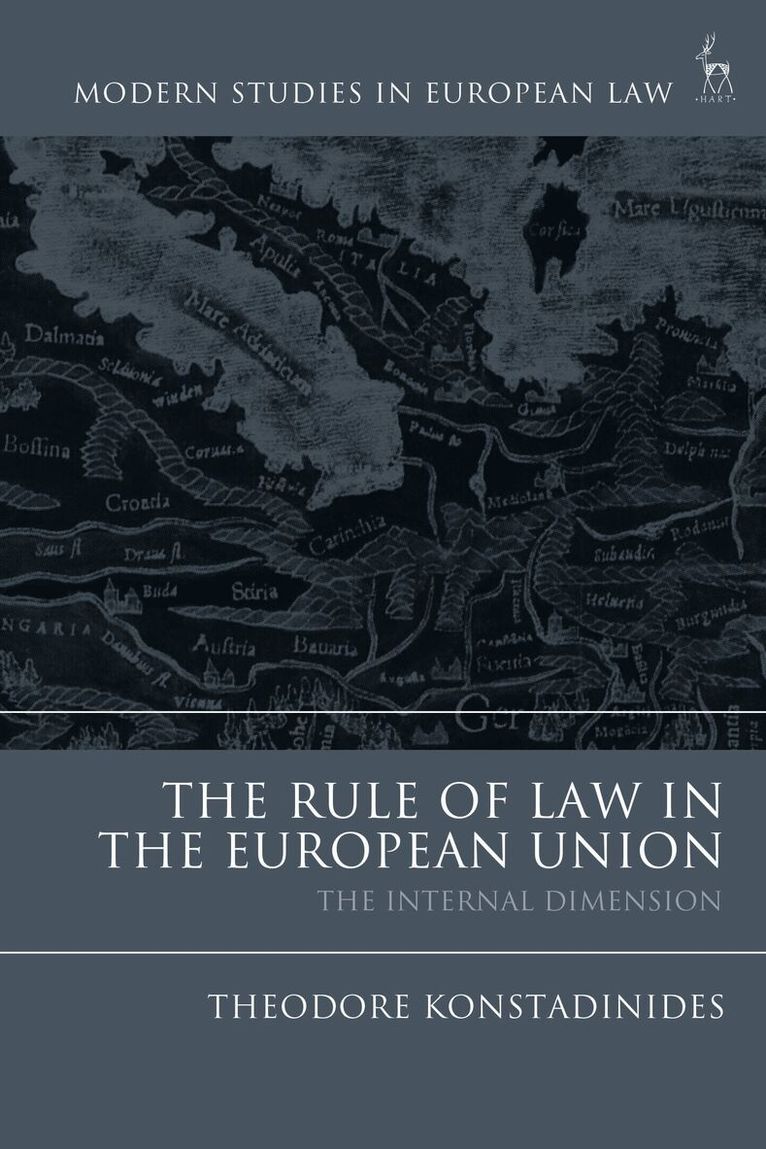
Theodore Konstadinides, Maria Bergstrom, Valsamis Mitsilegas
793 kr

Kanstantsin Dzehtsiarou, Theodore Konstadinides, Tobias Lock, Noreen O'Meara
Häftad, 2016
745 kr
Noreen O'Meara, Tobias Lock, Theodore Konstadinides, Kanstantsin Dzehtsiarou
873 kr
Theodore Konstadinides, Maria Bergstrom, Valsamis Mitsilegas
793 kr
Noreen O'Meara, Tobias Lock, Theodore Konstadinides, Kanstantsin Dzehtsiarou
873 kr
Kanstantsin Dzehtsiarou, Theodore Konstadinides, Tobias Lock, Noreen O'Meara
Inbunden, 2014
2 275 kr
Christina Eckes, Theodore Konstadinides
Inbunden, 2011
1 562 kr
2 231 kr
Läs direkt i Bokus Reader – eller ladda ned till din enhet (PDF kräver ofta zoom och scroll på små skärmar).
The European Union has flourished and expanded over the last fifty years as a unique system that lies midway between a federal state and an anarchical international system. Different actors coexist within a cooperative hegemony of Member States, and the allocation of competences and decision-making among them has always been at the centre of the integration process. In fact, demands for clearer limits to the Union’s decision-making power and enduring tension over the nature and purpose of European integration have been the key drivers of integration and change.
This deeply informed and thoughtful book thoroughly examines the manner in which the principle of division of powers has developed in EU Law over the course of European integration, and casts light on the path towards a more efficient delimitation of internal competence between the main actors: namely, the European Union and the Member States. Among the topics investigated in depth are the following:
Addressing numerous crucial issues – among them the degree of permanence of the nation-state in a context of ambiguous constitutional authority, and the width of the democratic base of the Union’s ‘institutional dynamic’ of cooperation and consensus – the author lucidly describes a seeming paradox: an ‘ever-closer union’, with a growing democratic legitimacy, congruent with a supranational community that falls short of a fully-fledged democratic political entity. The countless perspectives and clarifications discovered along the way are sure to engage academics and policymakers working in the fields of the European integration project, and will provide ample insights and food for thought.
Kanstantsin Dzehtsiarou, Theodore Konstadinides, Tobias Lock, Noreen O'Meara
Inbunden, 2014
2 275 kr
Christina Eckes, Theodore Konstadinides
Inbunden, 2011
1 562 kr
Noreen O'Meara, Tobias Lock, Theodore Konstadinides, Kanstantsin Dzehtsiarou
873 kr
Noreen O'Meara, Tobias Lock, Theodore Konstadinides, Kanstantsin Dzehtsiarou
873 kr
Kanstantsin Dzehtsiarou, Theodore Konstadinides, Tobias Lock, Noreen O'Meara
Häftad, 2016
745 kr
Theodore Konstadinides, Maria Bergstrom, Valsamis Mitsilegas
793 kr
Kanstantsin Dzehtsiarou, Theodore Konstadinides, Tobias Lock, Noreen O'Meara
Häftad, 2016
745 kr
Noreen O'Meara, Tobias Lock, Theodore Konstadinides, Kanstantsin Dzehtsiarou
873 kr
Theodore Konstadinides, Maria Bergstrom, Valsamis Mitsilegas
793 kr
Noreen O'Meara, Tobias Lock, Theodore Konstadinides, Kanstantsin Dzehtsiarou
873 kr
Kanstantsin Dzehtsiarou, Theodore Konstadinides, Tobias Lock, Noreen O'Meara
Inbunden, 2014
2 275 kr
Christina Eckes, Theodore Konstadinides
Inbunden, 2011
1 562 kr