Plot Machine
The French Novel and the Bachelor Machines in the Electric Years (1880-1914)
1 164 kr
Beställningsvara. Skickas inom 5-8 vardagar. Fri frakt över 249 kr.
Beskrivning
This book presents a new and exciting theory of the modern French novel by developing the notion of the narrative as a “textual machine”. Many turn-of-the-century French novels thematically identified their means of narration through the various machines that they depicted. The narrative devices that were particularly important in this self-reflection included: the temporal order of the plot, the question of a narrative’s beginning and end, the hierarchy of narrative voices, and the techniques of the point of view. The question of mechanization became central on all these fronts. Has the novel become automated or machine-like? At the same time, the machine metaphors in the novels of Alfred Jarry, Emile Zola, Jules Verne, Villiers de l’Isle-Adam, Raymond Roussel combined the question of the narrative form with new ways to think about man’s relationship with technology and the cultural environment. The early modernist texts drew upon contradictory notions of technological promise and threat while they also depicted new forms of identity and behavior, related to or modeled after machines. These texts highlighted cultural assumptions concerning technological innovations and critiqued, mainly through parody and through various figures of man-machine fusion, the positivistic belief in progress. Such writers looked for evidence of advanced forms of consciousness arising out of encounters with new technology such as: telephones, trains, bicycles, telegraphy, phonographs and electricity.This volume will be of interest to anyone working in the field of modern French literary and cultural history. It will especially appeal to anyone intrigued with the origins of the modernist novel, the history of narrative forms, and the question of how the experience of new technology may be portrayed in literary texts.
Produktinformation
Utforska kategorier
Mer om författaren
Innehållsförteckning
Hoppa över listan
Mer från samma serie
Del 406
Del 404
Del 405
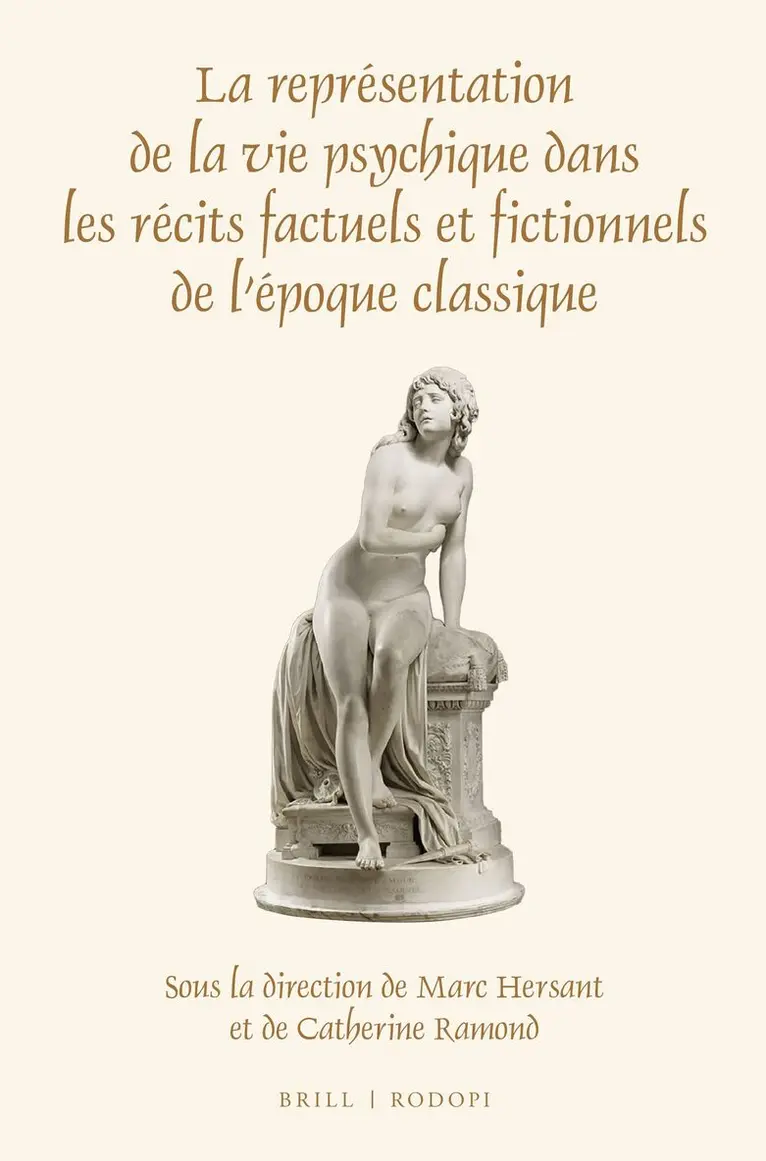
La représentation de la vie psychique dans les récits factuels et fictionnels de l’époque classique
Marc Hersant, Catherine Ramond
Häftad, 2015
2 223 kr
Del 407
Del 408
Del 412
Del 416
Del 417
Del 418
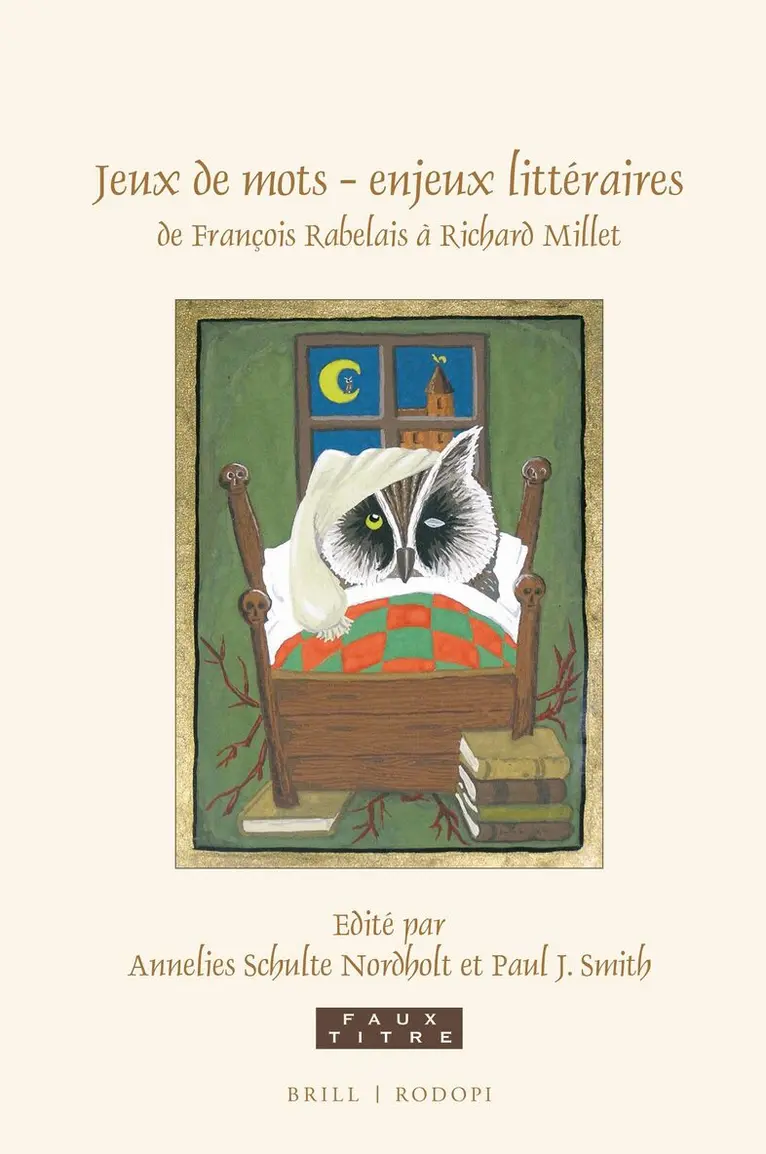
Jeux de mots – enjeux littéraires, de François Rabelais à Richard Millet
Annelies Schulte Nordholt, Paul J. Smith
Inbunden, 2018
2 070 kr
Del 420