• Fri frakt över 249 kr
  • •
  • Snabba leveranser
  • •
  • Billiga böcker
Kundservice

Du är på sajten för privatpersoner.

Företag, bibliotek eller offentlig verksamhet?

Du handlar på classic.bokus.com, där alla dina funktioner finns intakta.
Till classic.bokus.com
Bokus logotyp. Gå till startsidan.
  • Erbjudanden
  • Nyheter
  • Student
  • Topplistor
  • Barn & ungdom
  • Bokus Play
  • E-böcker
  • Pocketböcker
  • Spel & pussel

10% rabatt på allt med kod: NYSTART10 →

Sidfot

Mina sidor

    Hjälp

    • Kundservice
    • Vanliga frågor och svar
    • Frakt och leverans
    • Retur vid ångerrätt
    • Reklamera vara
    • Betalning
    • Köpvillkor
    • Allmänna villkor
    • Information om webbplatsens tillgänglighet

    Om Bokus

    • Om oss
    • Pressrum
    • För studenter
    • För företag
    • För bibliotek och offentlig verksamhet
    • För leverantörer
    • Hållbarhet

    Populärt

    • Aktuella erbjudanden
    • Presentkort
    • Studentlitteratur
    • Nya böcker
    • Topplistor
    • Signerade böcker
    • Engelska böcker

    Inspiration

    • Boktips
    • BookTok
    • Populära bokserier
    • Barnbokskaraktärer
    • Populära författare
    Logotyp för Bokus
    Följ oss på Facebook (extern länk)Följ oss på Instagram (extern länk)Följ oss på YouTube (extern länk)Följ oss på TikTok (extern länk)
    bokus @ CookiesAnpassa cookiesIntegritetspolicyKöpvillkor
    Till Citymail hemsida (extern länk)Till Budbee hemsida (extern länk)Till Postnord hemsida (extern länk)Till Schenker hemsida (extern länk)Till Early Bird hemsida (extern länk)Till Walleys hemsida (extern länk)
    1. Samhälle och politik
    2. Samhälle och kultur

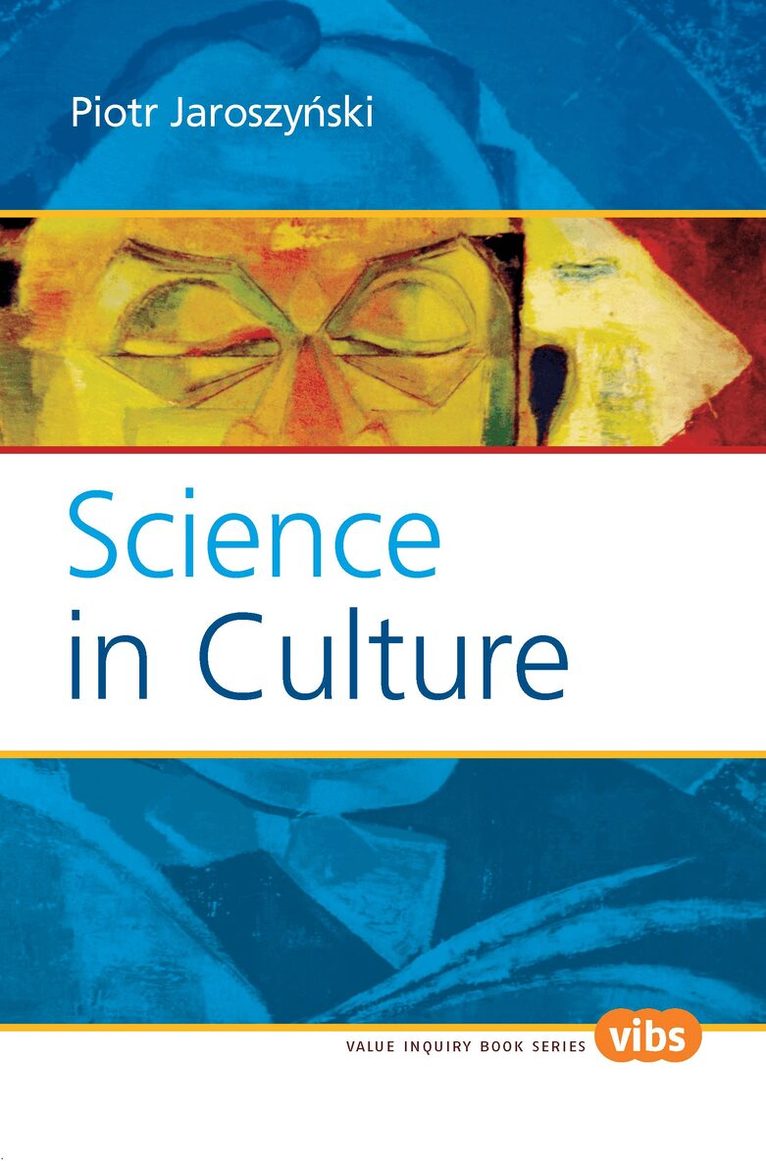
    Science in Culture

    Translated from the Polish by Hugh McDonald

    AvPiotr Jaroszyński

    Häftad, Engelska, 2007

    Del 185 i serien Gilson Studies

    1 807 kr

    Beställningsvara. Skickas inom 5-8 vardagar. Fri frakt över 249 kr.

    Beskrivning

    This book tries to uncover science’s discoverer and explain why the conception of science has been changing during the centuries, and why science can be beneficial and dangerous for humanity. Far from being hermetic, this research can be interesting for all who want to understand deeper what really conditions the place of science in culture.

    Produktinformation

    • Utgivningsdatum:2007-01-01
    • Mått:155 x 235 x 20 mm
    • Vikt:594 g
    • Format:Häftad
    • Språk:Engelska
    • Serie:Gilson Studies
    • Antal sidor:328
    • Förlag:Brill
    • ISBN:9789042021365

    Utforska kategorier

    • Samhälle och kultur inom Samhälle och politik
    • Naturvetenskapens filosofi inom Naturvetenskap och teknik

    Recensioner i media

    "Science in Culture deserves to be studied as the masterful work it is in itself. It should also, however, be regarded as a seminal foundation for an evaluation of the postmodern condition of science." – in: Review of Metaphysics LXI/2 (December 2007)"This is an important book that looks at how the concept of science has been changing over the course of centuries. …[Jaroszynski] demonstrates how science, over time, became focused on serving utility and technocratic management rather than the idea of science being the search for truth. Jaroszynski’s look at the ideologies of liberalism, communism, and fascism, as modern examples of how people are willing to use science as the primary tool of ideology in order to achieve their goals, is enlightening … A well-organized work, derived from the evaluation of primary sources, very relevant to the university community at large. Highly recommended." – in: CHOICE – Current reviews for academic libraries 44/11 (July 2007)"Who discovered science? What conditions the place of science in culture? …Jaroszynski … illuminates the non-scientific contexts of the controversy over science and shows the influence of science in culture." – in: SciTech Book News, March 2007

    Innehållsförteckning

    • List of IllustrationsForeword by Mieczysław Albert KrąpiecPreface by Tadeusz KwiatkowskiIntroductionAcknowledgmentsPart One: The Rise of Theoretical KnowledgeOne. The Discovery of Science: Greece or the East?Two. Why the Greeks?Three. Bios TheoretikosFour. Philosophy’s Rise from Sensations to WisdomFive. Knowledge and OpinionSix. Theoretical Features of the Object of Scientific CognitionSeven. Theoretical JustificationEight. Theoretical ProofNine. Types of SciencePart Two: The Hellenistic Deformation of Theoretical KnowledgeTen. Knowledge or Philosophy of the Sake of PraxisEleven. Neo-Platonism: An End Beyond KnowledgePart Three: Philosophy and Theology in Relation to RevelationTwelve. Aversion to Pagan AuthorityThirteen. Handmaiden to TheologyFourteen. Sacred Scripture and the Problem of Interpretation: The SentencesFifteen. Metaphysics and Natural TheologySixteen. Philosophy in the Service of TheologyPart Four: Science: Toward Technology and IdeologySeventeen. The Problem of the Continuity of Science in the Middle AgesEighteen. The Problem of Experimental Science in the Middle AgesNineteen. The Mathematization of Scientific KnowledgeTwenty. The Influence of NominalismPart Five: Science as TechnologyTwenty-One. The Quest for an Earthly ParadiseTwenty-Two. The End of Knowledge: Complete UtilitarianismTwenty-Three. The Influence of the EastTwenty-Four. Science and Utopia: From the House of Solomon to the Royal SocietyTwenty-Five. A New Model of Scientific KnowledgeTwenty-Six. Philosophy and GnosticismPart Six: The Transformation of Philosophy into IdeologyTwenty-Seven. Ideas–Concepts–ImpressionsTwenty-Eight. The War against IdolsTwenty-Nine. The Critique of Catholicism and MetaphysicsThirty. Ideology and the New Social OrderThirty-One. Ideology: The Evolution of the ConceptPart Seven: Toward a New World OrderThirty-Two. Kant: The World Before Reason’s TribunalThirty-Three. Auguste Comte: Toward a New AgeThirty-Four. Neopositivism at War with MetaphysicsThirty-Five. Science and the New World Order or Science in the Service of GlobalismPart Eight: The Place of Science in CultureThirty-Six. What is Culture?Thirty-Seven. The Domains of CultureThirty-Eight. Ends, Limits, and Directions in the Growth of ScienceThirty-Nine. ConclusionNotesBibliographyAbout the AuthorIndex of WorksIndex of Authors, Editors, and TranslatorsIndex of SubjectsIndex of Names