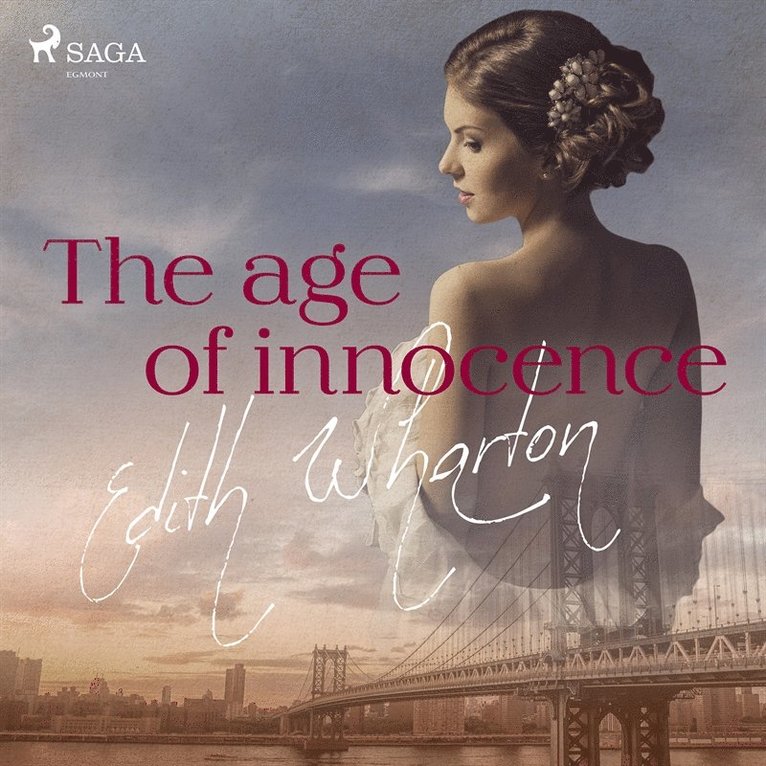
The Age of Innocence
E-bok
Engelska, 2024119 kr
Läs direkt i Bokus Reader – eller ladda ned till din enhet
Finns även i Bokus Play Lyssna och läs utan att köpa bok för bok - välj din nästa titel direkt i appen. Från 79 kr/mån. Ingen bindningstid.
Prova gratis i 30 dagar →Fler format och utgåvor
Beskrivning
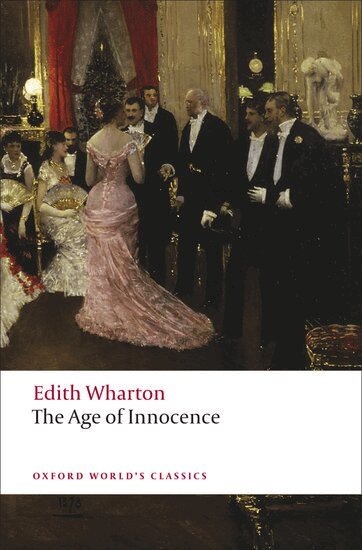
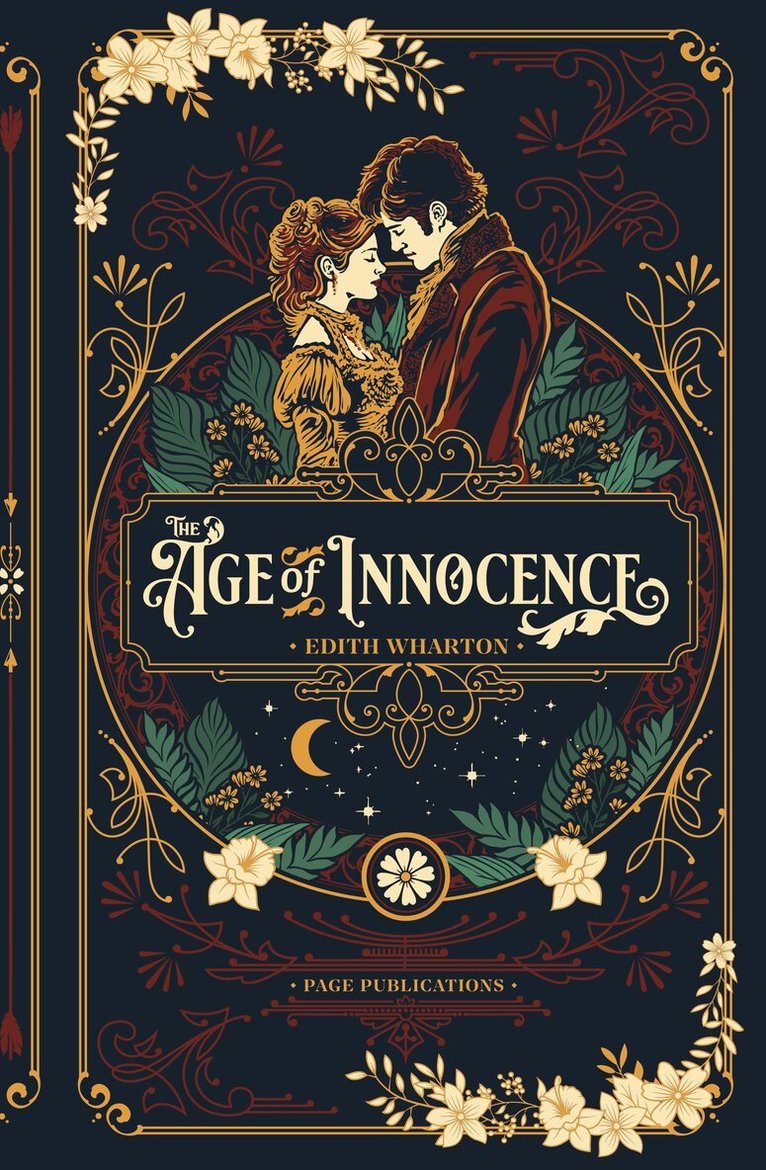
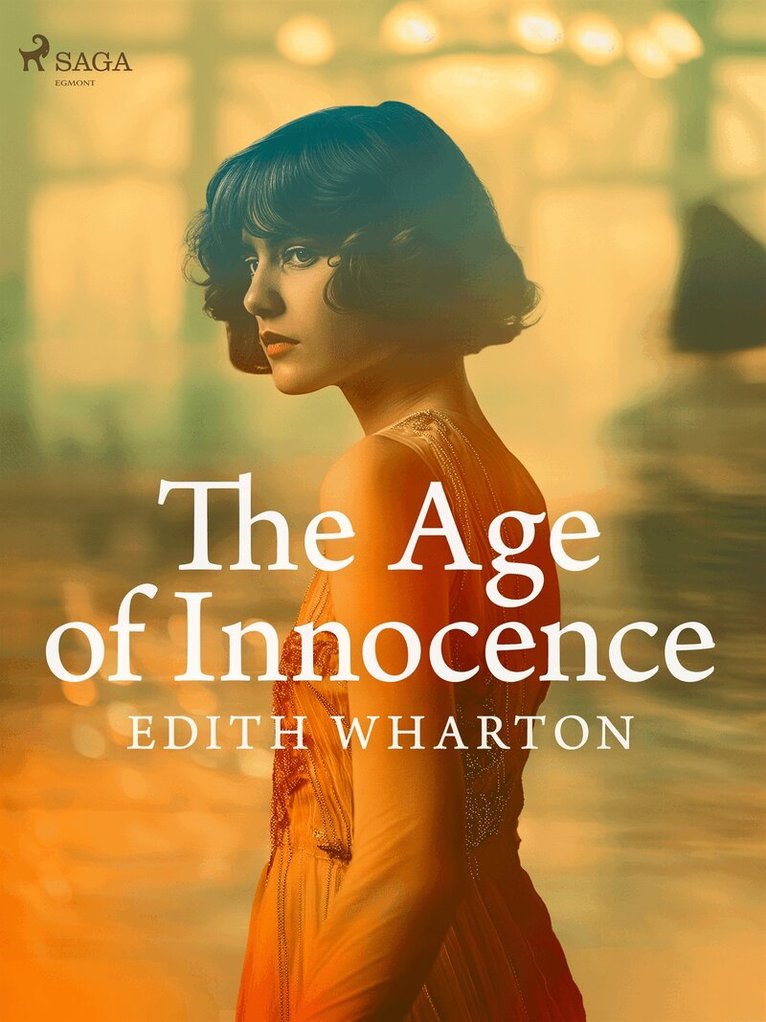
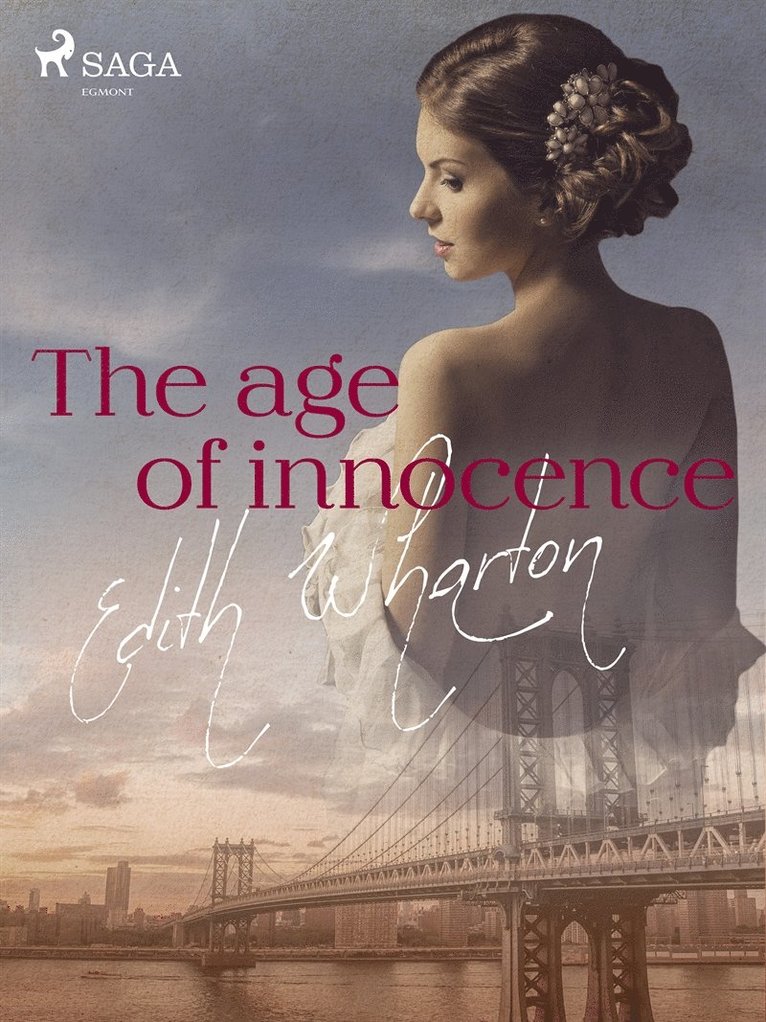
When Countess Ellen Olenska returns to New York fleeing her Polish husband, from whom she has been hiding for a year, she shocks the rigid high society. Newland Archer, the soon-to-be groom of her cousin, is particularly unsettled by Ellen’s independence and passionate awareness of life. As they fall in love, they become acutely aware of the formidable resistance that social conventions impose on their feelings.
Edith Wharton’s The Age of Innocence is a classic of American literature. It is a novel about passion and desire in 1870s New York. With equal parts sharp irony and masterful form, it portrays a society that is as incapable of genuine human communication as it is desperate to defend its notions of »civilization.«
EDITH WHARTON [1862–1937], born in New York, made her debut at the age of forty but managed to write around twenty novels, nearly a hundred short stories, poetry, travelogues, and essays. Wharton was nominated for the Nobel Prize in Literature three times: 1927, 1928, and 1930. For The Age of Innocence [1920], she was awarded the Pulitzer Prize in 1921.
Edith Wharton’s The Age of Innocence is a classic of American literature. It is a novel about passion and desire in 1870s New York. With equal parts sharp irony and masterful form, it portrays a society that is as incapable of genuine human communication as it is desperate to defend its notions of »civilization.«
EDITH WHARTON [1862–1937], born in New York, made her debut at the age of forty but managed to write around twenty novels, nearly a hundred short stories, poetry, travelogues, and essays. Wharton was nominated for the Nobel Prize in Literature three times: 1927, 1928, and 1930. For The Age of Innocence [1920], she was awarded the Pulitzer Prize in 1921.
![Edith Wharton - Edith Wharton: The Complete Works [newly updated], E-bok](https://image.bokus.com/images2/9782380370225_766)