• Fri frakt över 249 kr
  • •
  • Snabba leveranser
  • •
  • Billiga böcker
Kundservice

Du är på sajten för privatpersoner.

Företag, bibliotek eller offentlig verksamhet?

Du handlar på classic.bokus.com, där alla dina funktioner finns intakta.
Till classic.bokus.com
Bokus logotyp. Gå till startsidan.
  • Erbjudanden
  • Nyheter
  • Student
  • Topplistor
  • Barn & ungdom
  • Bokus Play
  • E-böcker
  • Pocketböcker
  • Spel & pussel

10% rabatt på allt med kod: NYSTART10 →

Sidfot

Mina sidor

    Hjälp

    • Kundservice
    • Vanliga frågor och svar
    • Frakt och leverans
    • Retur vid ångerrätt
    • Reklamera vara
    • Betalning
    • Köpvillkor
    • Allmänna villkor
    • Information om webbplatsens tillgänglighet

    Om Bokus

    • Om oss
    • Pressrum
    • För studenter
    • För företag
    • För bibliotek och offentlig verksamhet
    • För leverantörer
    • Hållbarhet

    Populärt

    • Aktuella erbjudanden
    • Presentkort
    • Studentlitteratur
    • Nya böcker
    • Topplistor
    • Signerade böcker
    • Engelska böcker

    Inspiration

    • Boktips
    • BookTok
    • Populära bokserier
    • Barnbokskaraktärer
    • Populära författare
    Logotyp för Bokus
    Följ oss på Facebook (extern länk)Följ oss på Instagram (extern länk)Följ oss på YouTube (extern länk)Följ oss på TikTok (extern länk)
    bokus @ CookiesAnpassa cookiesIntegritetspolicyKöpvillkor
    Till Citymail hemsida (extern länk)Till Budbee hemsida (extern länk)Till Postnord hemsida (extern länk)Till Schenker hemsida (extern länk)Till Early Bird hemsida (extern länk)Till Walleys hemsida (extern länk)
    1. Samhälle och politik
    2. Politik och statsskick

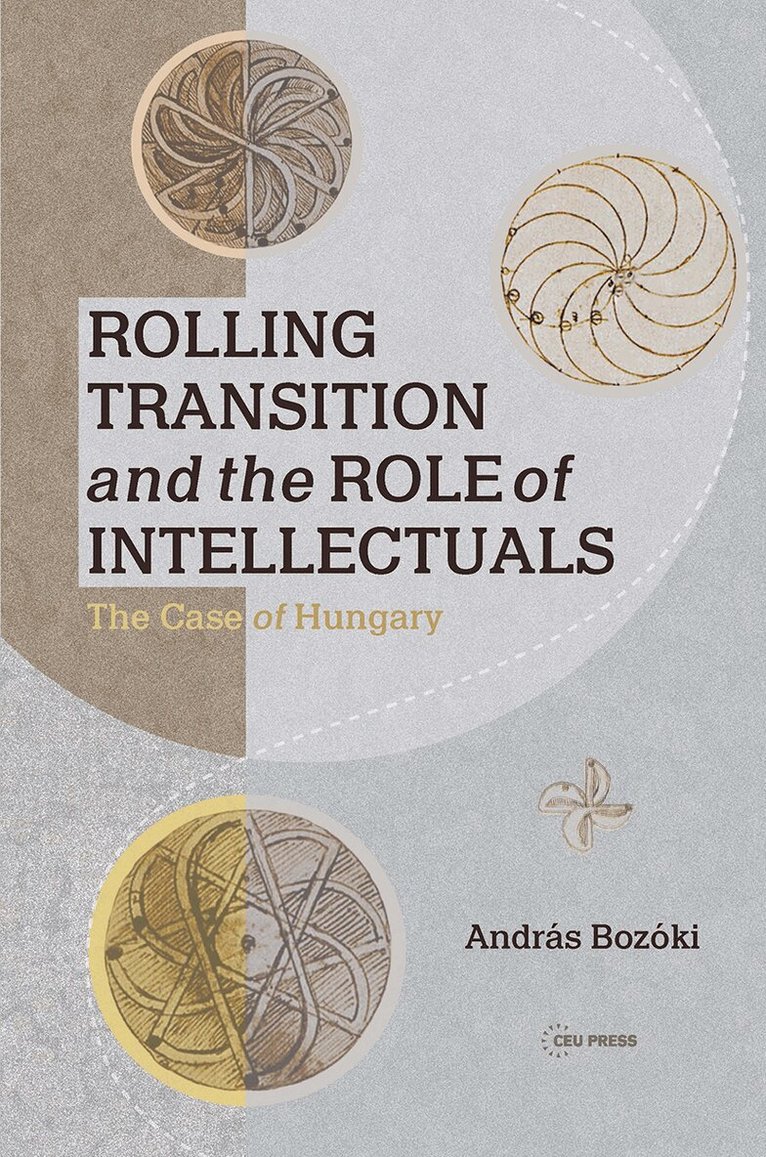
    Rolling Transition and the Role of Intellectuals

    The Case of Hungary

    AvAndrás Bozóki,András Bozóki

    Inbunden, Engelska, 2022

    2 645 kr

    Beställningsvara. Skickas inom 10-15 vardagar. Fri frakt över 249 kr.

    Beskrivning

    Utilizing a new and original framework for examining the role of intellectuals in countries transitioning to democracy, Bozóki analyses the rise and fall of dissident intellectuals in Hungary in the late 20th century. He shows how that framework is applicable to other countries too as he forensically examines their activities. Bozóki argues that the Hungarian intellectuals did not become a ‘New Class’. By rolling transition, he means an incremental, non-violent, elite driven political transformation which is based on the rotation of agency, and it results in a new regime. This is led mainly by different groups of intellectuals who do not construct a vanguard movement but create an open network which might transform itself into different political parties. Their roles changed from dissidents to reformers, to movement organizers and negotiators through the periods of dissidence, open network building, roundtable negotiations, parliamentary activities, and new movement politics. Through the prism of political sociology, the author focuses on the following questions: Who were the dissident intellectuals and what did they want? Under what conditions do intellectuals rebel and what are the patterns of their protest? This book will be of interest to students, researchers, and public intellectuals around the world aiming to promote human rights and democracy.

    Produktinformation

    • Utgivningsdatum:2022-08-15
    • Mått:152 x 229 x 43 mm
    • Vikt:1 300 g
    • Format:Inbunden
    • Språk:Engelska
    • Antal sidor:618
    • Förlag:Central European University Press
    • ISBN:9789633864784

    Utforska kategorier

    • Politik och statsskick inom Samhälle och politik

    Mer om författaren

    András Bozóki is Professor at the Department of Political Science at the Central European University. His main fields of research include democratization, de-democratization, political regimes, ideologies, Central European politics, and the role of intellectuals.

    Recensioner i media

    "The book successfully answers the questions of who were the intellectuals who played the most influential and comprehensive role in Hungary’s transition from state socialism to democracy, what they wanted, and what they were against. Beyond the questions, the book analysed the ideas, strategies, rotations, and activities of Hungarian intellectuals before, during, and after the transition with great success. The book is invaluable for its detailed account of the Hungarian intellectuals’ uphill struggle and their significance, its theoretical and empirical conceptualisation of regime change, and its meticulous filling of this gap in the English-language literature."https://doi.org/10.2478/ppsr-2023-0010

    Innehållsförteckning

    • List of Tables, List of Figures, Abbreviations, Acknowledgments, Introduction, Chapter I. The Role of Intellectuals: Theories and Interpretive Frameworks, Chapter II. The Political Context: Censorship and Co-optation, Chapter III. Dissident Intellectuals: The Culture of Critical Discourse, Chapter IV. From Moral Principles to Political Action, Chapter V Regime Change and Elite Change, Chapter VI. Negotiated Revolution: The Strategy of the Opposition, Chapter VII. Intellectuals as Legislators