• Fri frakt över 249 kr
  • •
  • Snabba leveranser
  • •
  • Billiga böcker
Kundservice

Du är på sajten för privatpersoner.

Företag, bibliotek eller offentlig verksamhet?

Du handlar på classic.bokus.com, där alla dina funktioner finns intakta.
Till classic.bokus.com
Bokus logotyp. Gå till startsidan.
  • Erbjudanden
  • Nyheter
  • Student
  • Topplistor
  • Barn & ungdom
  • Bokus Play
  • E-böcker
  • Pocketböcker
  • Spel & pussel

10% rabatt på allt med kod: NYSTART10 →

Sidfot

Mina sidor

    Hjälp

    • Kundservice
    • Vanliga frågor och svar
    • Frakt och leverans
    • Retur vid ångerrätt
    • Reklamera vara
    • Betalning
    • Köpvillkor
    • Allmänna villkor
    • Information om webbplatsens tillgänglighet

    Om Bokus

    • Om oss
    • Pressrum
    • För studenter
    • För företag
    • För bibliotek och offentlig verksamhet
    • För leverantörer
    • Hållbarhet

    Populärt

    • Aktuella erbjudanden
    • Presentkort
    • Studentlitteratur
    • Nya böcker
    • Topplistor
    • Signerade böcker
    • Engelska böcker

    Inspiration

    • Boktips
    • BookTok
    • Populära bokserier
    • Barnbokskaraktärer
    • Populära författare
    Logotyp för Bokus
    Följ oss på Facebook (extern länk)Följ oss på Instagram (extern länk)Följ oss på YouTube (extern länk)Följ oss på TikTok (extern länk)
    bokus @ CookiesAnpassa cookiesIntegritetspolicyKöpvillkor
    Till Citymail hemsida (extern länk)Till Budbee hemsida (extern länk)Till Postnord hemsida (extern länk)Till Schenker hemsida (extern länk)Till Early Bird hemsida (extern länk)Till Walleys hemsida (extern länk)
    1. Historia och arkeologi
    2. Historia
    3. Amerikas historia

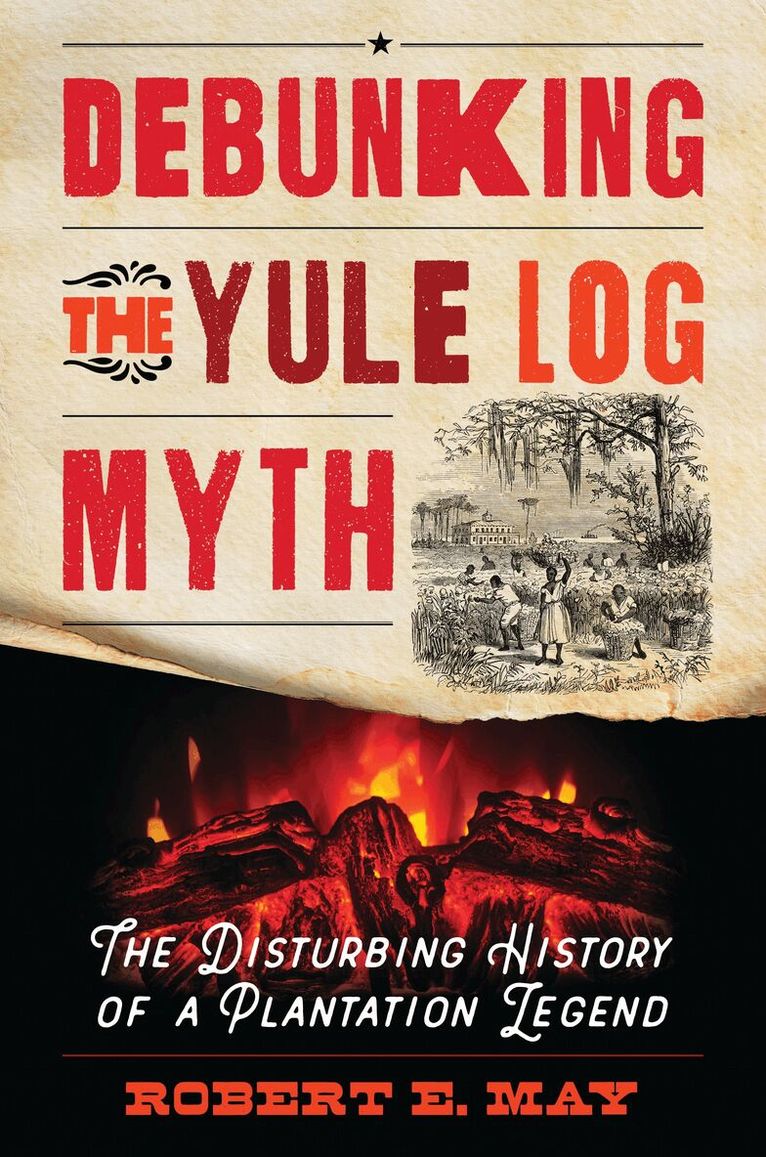
    Debunking the Yule Log Myth

    The Disturbing History of a Plantation Legend

    AvRobert E. May

    Inbunden, Engelska, 2024

    293 kr

    Beställningsvara. Skickas inom 10-15 vardagar. Fri frakt över 249 kr.

    Fler format och utgåvor

    E-bok

    311 kr

    Beskrivning

    A powerful new book that corrects a false myth in African American history that Kirkus Reviews calls "a thoughtful antidote to white Southern propaganda.”According to an oft repeated legend, during Christmas before the Civil War, all enslaved people in the American South enjoyed lengthy vacations of a week or more depending on how long an oversized “Yule log” burned in their master’s fireplace. As long as the log held out, slaves escaped heavy labor and their masters’ whips and enjoyed a rare freedom of movement to go and do what they wished as well as gorge themselves on food and drink they never got the rest of the year. No wonder they soaked those logs in swamps to make them burn even longer.But is it true? In this book, historian Robert May takes readers on a detective caper as he investigates a story that reaches back to colonial America and continues today. May finds no evidence of the Yule log tradition in the historical record, instead showing that it originated with pro-Confederate Lost Cause propagandists attempting to present the South’s prewar system of human bondage in as soft tones as possible. Tales about good-natured masters and unresentful slaves jovially sharing Christmases played to this impulse beautifully.Debunking the Yule Log Myth does more than correct the historical record. It serves as a highly instructive case study in the process of historical mythmaking. This captivating tale will appeal to all readers interested in African American history and the long struggle to support white supremacy by creating a mythical antebellum American South.

    Produktinformation

    • Utgivningsdatum:2024-12-01
    • Mått:156 x 232 x 20 mm
    • Vikt:440 g
    • Format:Inbunden
    • Språk:Engelska
    • Antal sidor:204
    • Förlag:Bloomsbury Publishing Plc
    • ISBN:9798881801786

    Utforska kategorier

    • Amerikas historia inom Historia och arkeologi

    Mer om författaren

    Robert E. May is Professor Emeritus of History at Purdue University and the author of Yuletide in Dixie: Slavery, Christmas, and Southern Memory; Slavery, Race, and Conquest in the Tropics: Lincoln, Douglas, and the Future of Latin America and other works about slavery and the South.

    Recensioner i media

    An enduring piece of antebellum folklore has claimed that enslavers allowed enslaved people a week or more of time off during Christmas to “do what they wished.” The actual length of time they were free from forced labor depended on how long it took for a water-soaked Yule log burned in their master’s fireplace to burn down. This story—which typically highlighted the tolerance of enslavers and the willingness of enslaved people doing whatever it took to keep logs burning for as long as possible—was so entrenched in Southern culture that the Southern tourist industry was still using it for Christmas travel publicity campaigns in 2012. To find the truth behind the story, May, a professor emeritus of history at Purdue University, examined a wide variety of sources, including newspapers, first-person accounts, novels, and historical documents. What he discovered suggested conscious efforts, begun during Reconstruction, at a cultural makeover. The Christmas Yule log tradition was an import from England that was traceable to colonial Virginia. But by the 1870s, and just as “ex-Confederates regained their mastery over southern politics,” May observes, reconciliationist narratives that peddled sentimental visions of the antebellum South began appearing in popular magazines like the Atlantic Monthly. The dark side of such stories was that they rarely denounced slavery because to do so would have implied a renunciation not just of the Confederacy but—perhaps even more importantly—white Southern values. A thoughtful antidote to white Southern propaganda.

    Innehållsförteckning

    • ContentsIntroduction: The Biggest Sweet Gum We Could FindChapter 1: Colonel Openheart's Great Back-LogChapter 2: Prattville's Soggy Fixed FactChapter 3: Uncle Ned's Big LaughChapter 4: LaSalle Pickett's DeceitsChapter 5: A Wizard's RevelationsConclusion: I Allow Three Days at ChristmasCoda: Samuel Agnew's Christmas Eve