Visar resultat för..."Quasi una fantasia"
Sökningen "Quasi una fantasia Johan Nordling" gav inga träffar.14 produkter
14 produkter
Del 13 - Beethoven Piano Sonatas Sheet Music
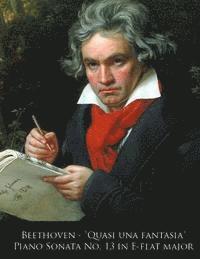
Beethoven - Quasi Una Fantasia Piano Sonata No. 13 in E-flat major
Häftad, Engelska, 2014
179 kr
Skickas inom 5-8 vardagar
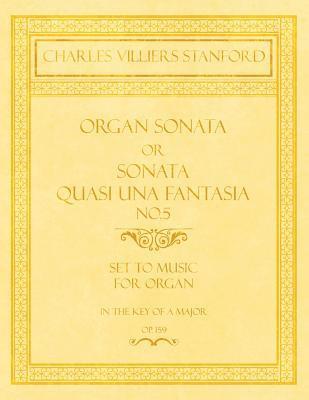
Organ Sonata or Sonata Quasi una Fantasia No.5 - Set to Music for Organ in the Key of A Major - Op.159
Häftad, Engelska, 2018
196 kr
Skickas inom 5-8 vardagar
317 kr
Skickas inom 3-6 vardagar
This collection covers a wide range of topics, from a moving study of Bizet's Carmen to an entertainingly caustic exploration of the hierarchies of the auditorium. Especially significant is Adorno's "dialectical portrait" of Stravinsky, in which Adorno both reconsiders and refines his damning indictment of the composer in Philosophy on Modern Music. Throughout, Adorno is sustained by the conviction that music is supremely human because it is capable of communicating inhumanity while resisting it. His belief in the benevolent and transformative power of music reverberates throughout these writings.
120 kr
Skickas inom 5-8 vardagar
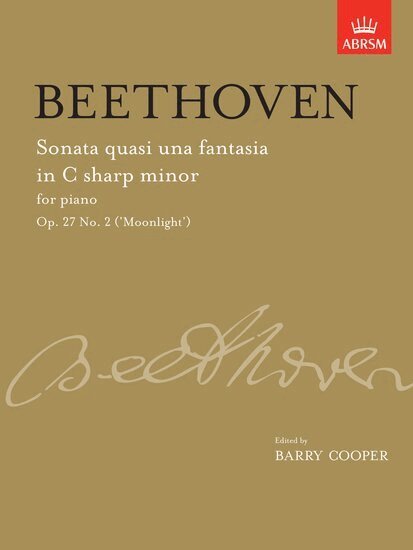
Beethoven's 'Moonlight' sonata is published as part of ABRSM's 'Signature' series - a series of authoritative performing editions of standard keyboard works, prepared from original sources by leading scholars. Includes informative introductions and performance notes.
654 kr
Skickas inom 10-15 vardagar
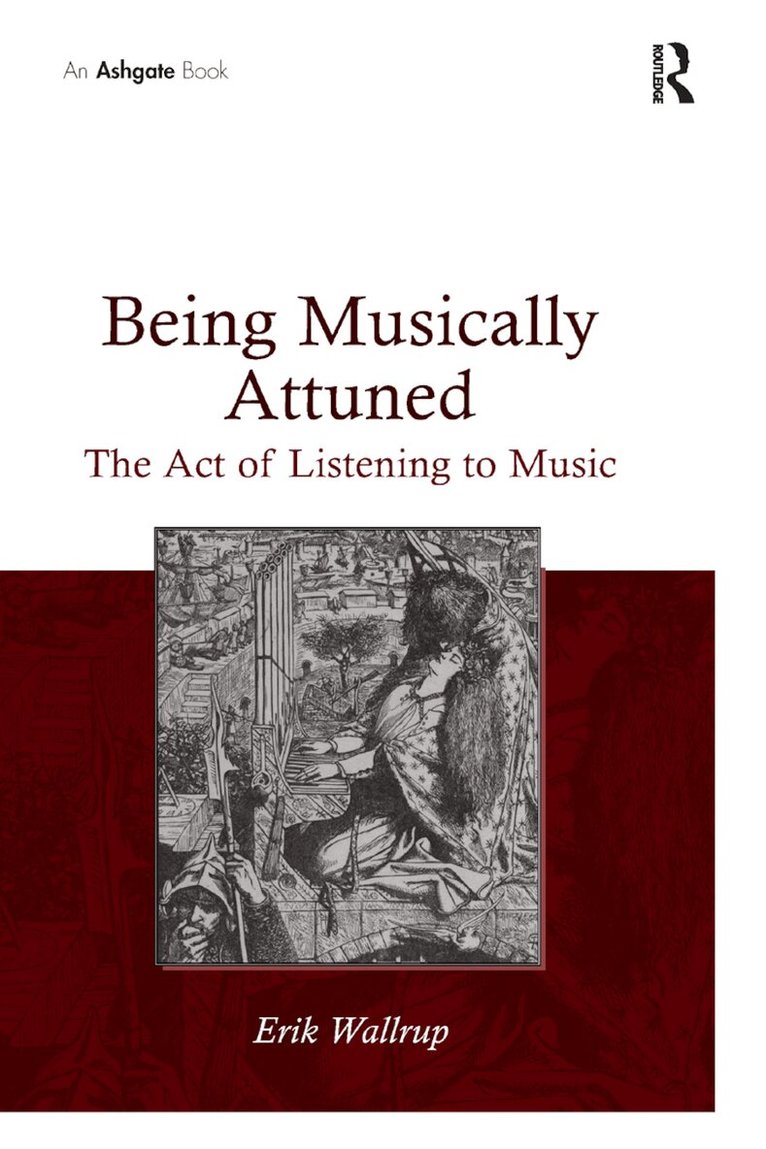
What does it mean to talk about musical coherence at the end of a century characterised by fragmentation and discontinuity? How can the diverse influences which stand behind the works of many late twentieth-century composers be reconciled with the singular immediacy of the experiences that they can create? How might an awareness of the distinctive ways in which these experiences are generated and controlled affect the way we listen to, reflect upon and write about this music? Mark Hutchinson outlines a novel concept of coherence within Western art music from the 1980s to the turn of the millennium as a means of understanding the work of a number of contemporary composers, including Thomas Adès, Kaija Saariaho, Tōru Takemitsu and György Kurtág, whose music cannot be fitted easily into a particular compositional school or analytical framework. Coherence is understood as a multi-layered phenomenon experienced, above all, in the act of listening, but reliant upon a variety of other aspects of musical experience, including compositional statements, analysis, and connections of aesthetic, as well as listeners' own, imaginative conceptualisations. Accordingly, the approach taken here is similarly multi-faceted: close analytical readings of a number of specific works are combined with insights drawn from philosophy and aesthetics, music perception, and critical theory, with a particular openness to novel metaphorical presentations of basic musical ideas about form, language and time.
2 442 kr
Skickas inom 10-15 vardagar
Writing Architecture in Modern Italy tells the history of an intellectual group connected to the small but influential Italian Einaudi publishing house between the 1930s and the 1950s. It concentrates on a diverse group of individuals, including Bruno Zevi, an architectural historian and politician; Giulio Carlo Argan, an art historian; Italo Calvino, a fiction writer; Giulio Einaudi, a publisher; and Elio Vittorini and Cesare Pavese, both writers and translators. Linking architectural history and historiography within a broader history of ideas, this book proposes four different methods of writing history, defining historiographical genres, modes, and tones of writing that can be applied to history writing to analyze political and social moments in time. It identifies four writing genres: myths, chronicles, history, and fiction, which became accepted as forms of multiple postmodern historical stories after 1957. An important contribution to the architectural debate, Writing Architecture in Modern Italy will appeal to those interested in the history of architecture, history of ideas, and architectural education.
668 kr
Skickas inom 10-15 vardagar
Writing Architecture in Modern Italy tells the history of an intellectual group connected to the small but influential Italian Einaudi publishing house between the 1930s and the 1950s. It concentrates on a diverse group of individuals, including Bruno Zevi, an architectural historian and politician; Giulio Carlo Argan, an art historian; Italo Calvino, a fiction writer; Giulio Einaudi, a publisher; and Elio Vittorini and Cesare Pavese, both writers and translators. Linking architectural history and historiography within a broader history of ideas, this book proposes four different methods of writing history, defining historiographical genres, modes, and tones of writing that can be applied to history writing to analyze political and social moments in time. It identifies four writing genres: myths, chronicles, history, and fiction, which became accepted as forms of multiple postmodern historical stories after 1957. An important contribution to the architectural debate, Writing Architecture in Modern Italy will appeal to those interested in the history of architecture, history of ideas, and architectural education.
556 kr
Skickas inom 10-15 vardagar
Aural/Oral Dramaturgies: Theatre in the Digital Age focuses on the ‘aural turn’ in contemporary theatre-making, examining a number of seemingly disparate trends that foreground speech and sound -- ‘post-verbatim’ theatre, 'amplified storytelling' (works using microphones and headphones), and ‘gig theatre’ that incorporates live music performance. Its main argument is that the dramaturgical underpinnings of these works contribute to an understanding of theatre as an extra-literary activity, greater than the centrality of the script that traditionally dominated many historical discussions. This quality is usually expressed in terms of the corporeality in dance and physical theatre, but the aural/oral turn gives an alternative viewpoint on the interplay between text and performance. The book's case studies draw on the ways in which a range of theatre companies engage with the dramaturgy of speech and sound in their work. It is further accompanied by a specially curated collection of digital resources, including interviews, conversations, and presentations from artists and academics.This is a key text for scholars, students, and practitioners of contemporary performance, and anyone working with dramaturgies of orality and aurality in today’s performance environment.
1 976 kr
Skickas inom 10-15 vardagar
Aural/Oral Dramaturgies: Theatre in the Digital Age focuses on the ‘aural turn’ in contemporary theatre-making, examining a number of seemingly disparate trends that foreground speech and sound -- ‘post-verbatim’ theatre, 'amplified storytelling' (works using microphones and headphones), and ‘gig theatre’ that incorporates live music performance. Its main argument is that the dramaturgical underpinnings of these works contribute to an understanding of theatre as an extra-literary activity, greater than the centrality of the script that traditionally dominated many historical discussions. This quality is usually expressed in terms of the corporeality in dance and physical theatre, but the aural/oral turn gives an alternative viewpoint on the interplay between text and performance. The book's case studies draw on the ways in which a range of theatre companies engage with the dramaturgy of speech and sound in their work. It is further accompanied by a specially curated collection of digital resources, including interviews, conversations, and presentations from artists and academics.This is a key text for scholars, students, and practitioners of contemporary performance, and anyone working with dramaturgies of orality and aurality in today’s performance environment.
2 322 kr
Skickas inom 10-15 vardagar
Improvisation was a crucial aspect of musical life in Europe from the late eighteenth century through to the middle of the nineteenth, representing a central moment in both public occasions and the private lives of many artists. Composers dedicated themselves to this practice at length while formulating the musical ideas later found at the core of their published works; improvisation was thus closely linked to composition itself. The full extent of this relation can be inferred from both private documents and reviews of concerts featuring improvisations, while these texts also inform us that composers quite often performed in public as both improvisers and interpreters of pieces written by themselves or others. Improvisations presented in concert were distinguished by a remarkable degree of structural organisation and complexity, demonstrating performers’ consolidated abilities in composition as well as their familiarity with the rules for improvising outlined by theoreticians.
2 182 kr
Skickas inom 10-15 vardagar
Beethoven’s piano sonatas are a cornerstone of the piano repertoire and favourites of both the concert hall and recording studio. The sonatas have been the subject of much scholarship, but no single study gives an adequate account of the processes by which these sonatas were composed and published. With source materials such as sketches and correspondence increasingly available, the time is ripe for a close study of the history of these works. Barry Cooper, who in 2007 produced a new edition of all 35 sonatas, including three that are often overlooked, examines each sonata in turn, addressing questions such as: Why were they written? Why did they turn out as they did? How did they come into being and how did they reach their final form? Drawing on the composer’s sketches, autograph scores and early printed editions, as well as contextual material such as correspondence, Cooper explores the links between the notes and symbols found in the musical texts of the sonatas, and the environment that brought them about. The result is a biography not of the composer, but of the works themselves.
596 kr
Skickas inom 10-15 vardagar
Beethoven’s piano sonatas are a cornerstone of the piano repertoire and favourites of both the concert hall and recording studio. The sonatas have been the subject of much scholarship, but no single study gives an adequate account of the processes by which these sonatas were composed and published. With source materials such as sketches and correspondence increasingly available, the time is ripe for a close study of the history of these works. Barry Cooper, who in 2007 produced a new edition of all 35 sonatas, including three that are often overlooked, examines each sonata in turn, addressing questions such as: Why were they written? Why did they turn out as they did? How did they come into being and how did they reach their final form? Drawing on the composer’s sketches, autograph scores and early printed editions, as well as contextual material such as correspondence, Cooper explores the links between the notes and symbols found in the musical texts of the sonatas, and the environment that brought them about. The result is a biography not of the composer, but of the works themselves.
2 322 kr
Skickas inom 10-15 vardagar
What does it mean to talk about musical coherence at the end of a century characterised by fragmentation and discontinuity? How can the diverse influences which stand behind the works of many late twentieth-century composers be reconciled with the singular immediacy of the experiences that they can create? How might an awareness of the distinctive ways in which these experiences are generated and controlled affect the way we listen to, reflect upon and write about this music? Mark Hutchinson outlines a novel concept of coherence within Western art music from the 1980s to the turn of the millennium as a means of understanding the work of a number of contemporary composers, including Thomas Adès, Kaija Saariaho, Tōru Takemitsu and György Kurtág, whose music cannot be fitted easily into a particular compositional school or analytical framework. Coherence is understood as a multi-layered phenomenon experienced, above all, in the act of listening, but reliant upon a variety of other aspects of musical experience, including compositional statements, analysis, and connections of aesthetic, as well as listeners' own, imaginative conceptualisations. Accordingly, the approach taken here is similarly multi-faceted: close analytical readings of a number of specific works are combined with insights drawn from philosophy and aesthetics, music perception, and critical theory, with a particular openness to novel metaphorical presentations of basic musical ideas about form, language and time.
273 kr
Skickas inom 3-6 vardagar
Letar du efter digitala böcker?
E-böcker och ljudböcker handlar du än så länge på vår tidigare sajt.