Adem Kaya – författare
Visar alla böcker från författaren . Handla med fri frakt och snabb leverans.
4 produkter
4 produkter
Häftad, Turkiska, 2025
961 kr
Skickas inom 5-8 vardagar
E-bok
PDF, Engelska, 20234 562 kr
Läs direkt efter köp
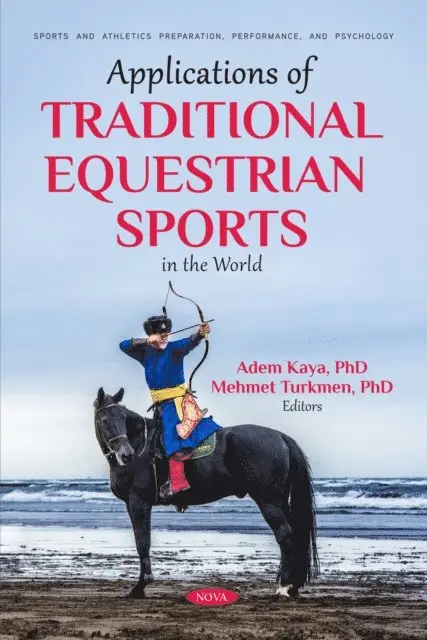
Physical culture and sport, as a product of certain historical conditions for the development of society, form the sum of the historically revealed results of human spiritual activity. Equestrian games were especially popular among the Turkic peoples of South Siberia, Altai, the ancestral home of all Turkic peoples. The horse formed the mobile basis of the nomadic economy and was the personification of beauty, purity, and speed. A symbolic expression of "traditional" sovereign tribal authority depended on the current ruling political framework having quality horses and equestrian skills. It is easy to conclude that this event is formulated again with another tribe or lineage and that the leadership passes to the tribe in which it was formulated. It is clear that in the nomadic ancient Turkic peoples, equestrian activities were not simply an opportunity to reveal their "natural" fighting instincts or to express them through symbols. They are also carefully structured public organizations organized around societal values with broad moral and political repercussions. This book contains twenty chapters reviewing the cultural significance of a variety of traditional equestrian sports around the world, deeply examining the social impacts of the game and the cultural traditions that arise from them.
E-bok
PDF, Engelska, 20243 863 kr
Läs direkt efter köp
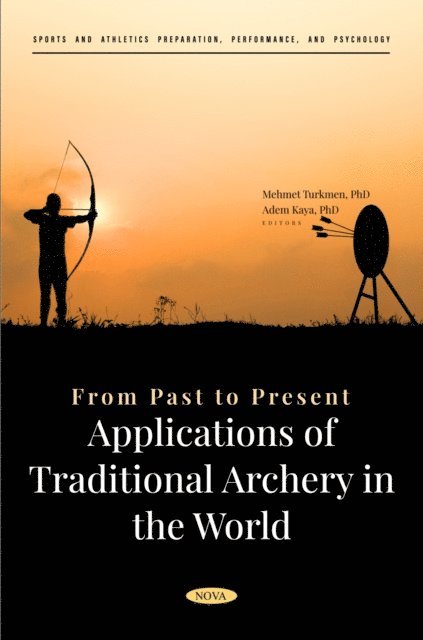
Applications of Traditional Archery in the World covers the world’s most popular traditional archery sports from a historical perspective to present day. Historically, traditional archery has been widely used, and it changed the way people fought wars, hunted, and spent leisurely time. In addition to covering traditional archery from a historical point of view the book also provides guidance about culture, current applications, and present rules and regulations of traditional archery that everybody in the field of traditional sports and games needs to learn. The well-written book is a contribution of twenty-five authors and experts from sixteen countries with many popular traditional archery sports. It is the most comprehensive work on the subject matter to date, and it will be of extreme value to teachers, athletes, coaches in traditional sports, scholars in sports science, sports historians, physical educators, people in sports ministries, and agencies. In addition to educating and entertaining, this book gives readers a connection on a personal level to all those united by this shared physical and cultural heritage, and it will advance understanding of and enjoyment for the sacred games of traditional archery.
E-bok
PDF, Engelska, 20263 537 kr
Läs direkt efter köp
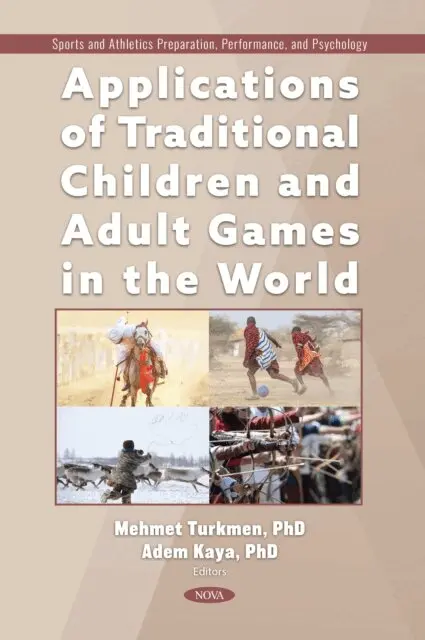
Traditional children and adult games, such as board games and intelligence games, serve as vital components of cultural heritage and contribute significantly to the intellectual and educational development of society. These games support cognitive growth in children by fostering problem-solving abilities, strategic thinking, and memory enhancement. Iconic traditional games like chess, checkers, and puzzles are instrumental in improving critical thinking, pattern recognition, and decision-making skills. For adults, these games provide mental stimulation, help maintain cognitive sharpness and may even mitigate cognitive decline. Moreover, traditional games play a crucial role in nurturing social interaction and communication skills among children, as they typically require face-to-face engagement. This interaction promotes essential social skills such as teamwork, negotiation, and effective communication. By bridging generational gaps, these games help build meaningful connections between players of various ages, fostering a sense of community. In addition to cognitive and social benefits, traditional games provide emotional and psychological advantages. Players develop resilience and emotional intelligence by learning to cope with outcomes, whether managing the frustration of losing or celebrating the excitement of winning. In an era dominated by digital screens, traditional board, intelligence, and strategy games offer a refreshing alternative that encourages hands-on interaction and real-world engagement, counterbalancing the pervasive effects of technology on modern society. This book explores the applications of traditional games, delves into their historical evolution, and presents scholarly research alongside contemporary examples. It offers diverse perspectives on traditional children and adult games worldwide, shedding light on their enduring relevance and cultural significance.