Adrian Gheorghe - Böcker
Visar alla böcker från författaren Adrian Gheorghe. Handla med fri frakt och snabb leverans.
3 produkter
3 produkter
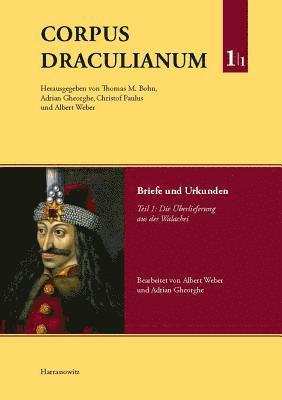
Corpus Draculianum. Dokumente Und Chroniken Zum Walachischen Fursten Vlad Dem Pfahler 1448-1650: Band 1: Briefe Und Urkunden. Teil 1: Die Uberlieferun
Inbunden, Tyska, 2017
1 014 kr
Skickas inom 3-6 vardagar
Del 76 - Ottoman Empire and its Heritage
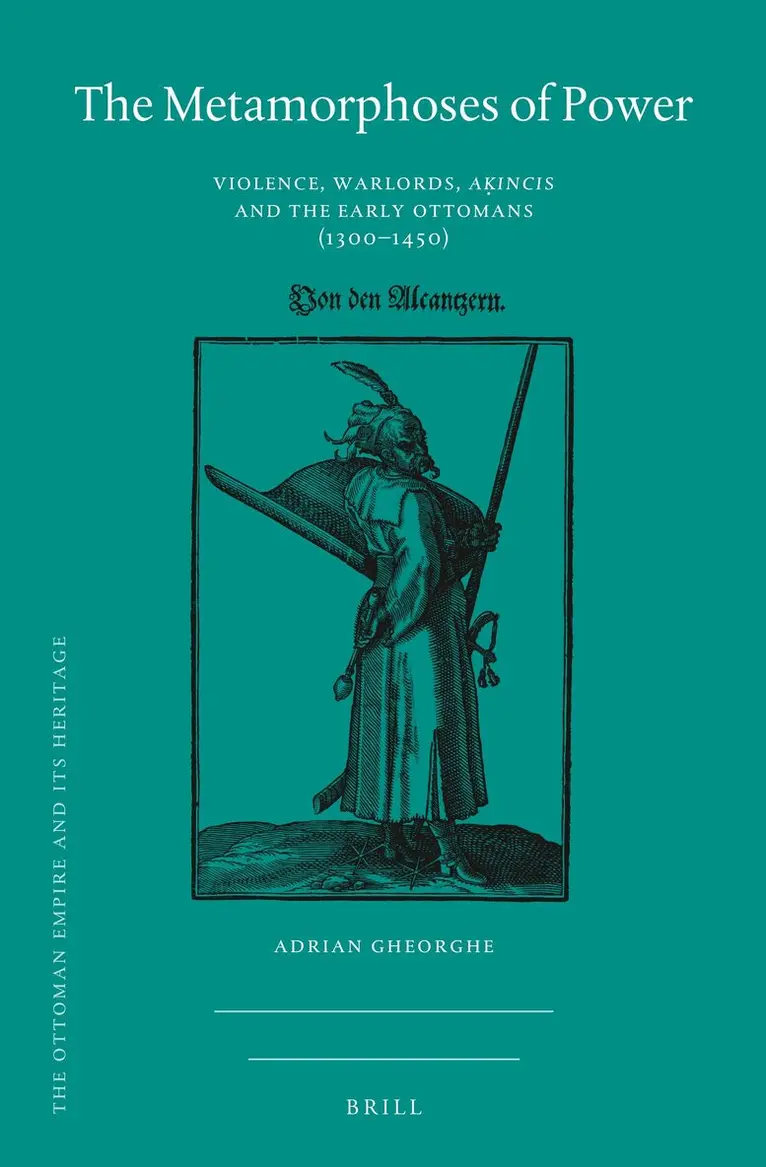
Metamorphoses of Power
Violence, Warlords, Aḳıncıs and the Early Ottomans (1300–1450)
Inbunden, Engelska, 2022
2 248 kr
Skickas inom 5-8 vardagar
Controversial scholarly debates around the beginnings of the Ottoman Empire in the last century are not only rooted in the scarcity or heterogeneity of sources, but also in the mentalities and ideologies that canonised thought paradigms. This book uses an interdisciplinary approach at the interface between Ottoman, Byzantine, Mediterranean and Southeast European studies. Unusual sources such as Western Anatolian numismatics and predominantly European documents met innovative methods from the study of violence and power networks. Making a case study around the military aḳıncı institution, the author re-evaluates the emergence of the Ottoman polity in dealing with various warlords and across multiple identities and political affiliations.
1 589 kr
Skickas inom 10-15 vardagar
Industrial development is essential to improvement of the standard of living in all countries. People's health and the environment can be affected, directly or indirectly by routine waste discharges or by accidents. A series of recent major industrial accidents and the effect of pollution highlighted, once again, the need for better management of routine and accidental risks. Moreover, the existence of natural hazards complicate even more the situation in any given region. In the past effort to cope with these risks, if made at all, have been largely on a plant by plant basis; some plants are well equipped to manage environmental and health hazards, while others are not. Managing the hazards of modern technological systems has become a key activity in highly industrialised countries. Decision makers are often confronted with complex issues concerning economic and social development, industrialisation and associated infrastructure needs, population and land use planning. Such issues have to be addressed in such a way that ensures that public health will not be disrupted or substantially degraded. Due to the increasing complexity of technological systems and the higher geographical density of punctual hazard sources, new methodologies and a novel approach to these problems are challenging risk managers and regional planers. Risks from these new complex technological systems are inherently different form those addressed by the risk managers for decades ago.