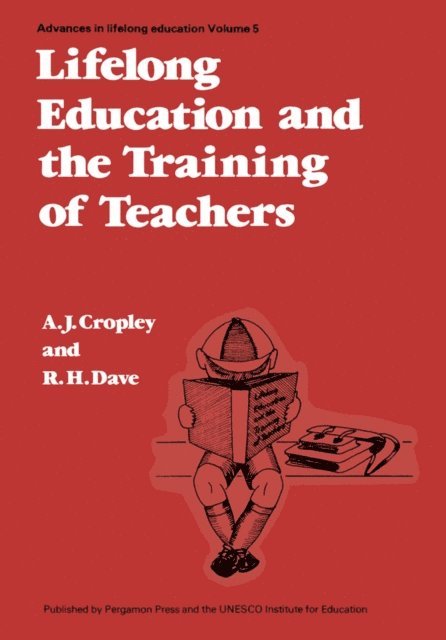
Lifelong Education and the Training of Teachers: Developing a Curriculum for Teacher Education on the Basis of the Principles of Lifelong Education focuses on the role of teachers and their training relative to educational changes. The selection particularly explains the influence of teachers on the delivery of educational services and on the personal, social, and productive lives of their pupils. The book first discusses the defects in traditional education, practicability of lifelong education, and the relationship of lifelong education and the school. The manuscript also takes a look at lifelong education and training of teachers, including roles and responsibilities of teachers, implications for teacher training curriculum, concepts in teacher education, and implications for teaching practice. The text focuses on changes in theory courses and practice teaching, as well as teaching and learning processes, content of the changes, fostering educability, and broadened concept of practice teaching. The manuscript also reviews the changes in the institutions. Concerns include need for institutional changes, organizational changes, and relationship with other institutions. The book is a vital reference for readers interested in the education and training of teachers.
Innovation is universally recognized as key components of first world economies that is vital for continued prosperity. Innovation is driven by the generation of effective novelty - in other words, creativity. However, both in higher education and also in business and industry, insufficient effort is being made to encourage and develop creativity, with negative consequences for innovation. This is partly due to inadequate understanding of what creativity is and how it can be fostered. This book draws on complementary views of creativity and innovation - as a business process and as a social-psychological model - to create a more detailed and more highly differentiated model which is capable of serving as a practical foundation for diagnosing, analyzing, optimizing and fostering creativity and innovation in a variety of organizational settings. It is built around a large number of case studies and down-to-earth examples, and offers many concrete suggestions for fostering what the authors call 'functional' creativity.
Lifelong Education and the Training of Teachers: Developing a Curriculum for Teacher Education on the Basis of the Principles of Lifelong Education focuses on the role of teachers and their training relative to educational changes. The selection particularly explains the influence of teachers on the delivery of educational services and on the personal, social, and productive lives of their pupils. The book first discusses the defects in traditional education, practicability of lifelong education, and the relationship of lifelong education and the school. The manuscript also takes a look at lifelong education and training of teachers, including roles and responsibilities of teachers, implications for teacher training curriculum, concepts in teacher education, and implications for teaching practice. The text focuses on changes in theory courses and practice teaching, as well as teaching and learning processes, content of the changes, fostering educability, and broadened concept of practice teaching. The manuscript also reviews the changes in the institutions. Concerns include need for institutional changes, organizational changes, and relationship with other institutions. The book is a vital reference for readers interested in the education and training of teachers.
Innovation is universally recognized as key components of first world economies that is vital for continued prosperity. Innovation is driven by the generation of effective novelty - in other words, creativity. However, both in higher education and also in business and industry, insufficient effort is being made to encourage and develop creativity, with negative consequences for innovation. This is partly due to inadequate understanding of what creativity is and how it can be fostered. This book draws on complementary views of creativity and innovation - as a business process and as a social-psychological model - to create a more detailed and more highly differentiated model which is capable of serving as a practical foundation for diagnosing, analyzing, optimizing and fostering creativity and innovation in a variety of organizational settings. It is built around a large number of case studies and down-to-earth examples, and offers many concrete suggestions for fostering what the authors call 'functional' creativity.