Alan Saville – författare
Visar alla böcker från författaren Alan Saville. Handla med fri frakt och snabb leverans.
3 produkter
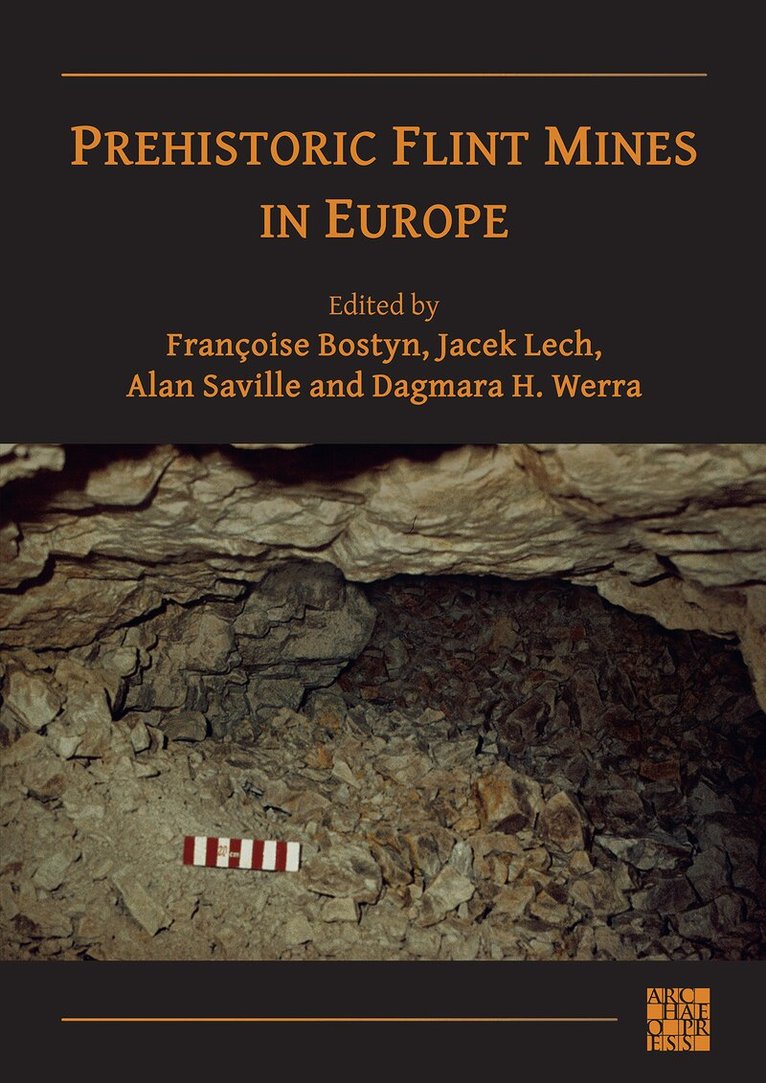
Prehistoric Flint Mines in Europe
Av Françoise Bostyn, Jacek Lech m. fl.
Häftad, 2023
1187 kr
Lägg i varukorg
Prehistoric Flint Mines in Europe presents the results of the UISPP Commission, Flint Mining in Pre- and Protohistoric Europe. It offers a review of major flint mines dating from the Neolithic to the Bronze Age. The eighteen articles were contributed by archaeologists from ten countries – Belgium, …
Flint and Stone in the Neolithic Period
Av Alan Saville
Häftad, 2011
675 kr
Lägg i varukorg
Lithic artefacts were an intrinsic part of Neolithic life both in terms of everyday practical use and in ritual/symbolic mode. Archaeologists and prehistorians studying the Neolithic period recognise this, and accordingly, strive to maximise relevant data recovery and subsequently exploit the …
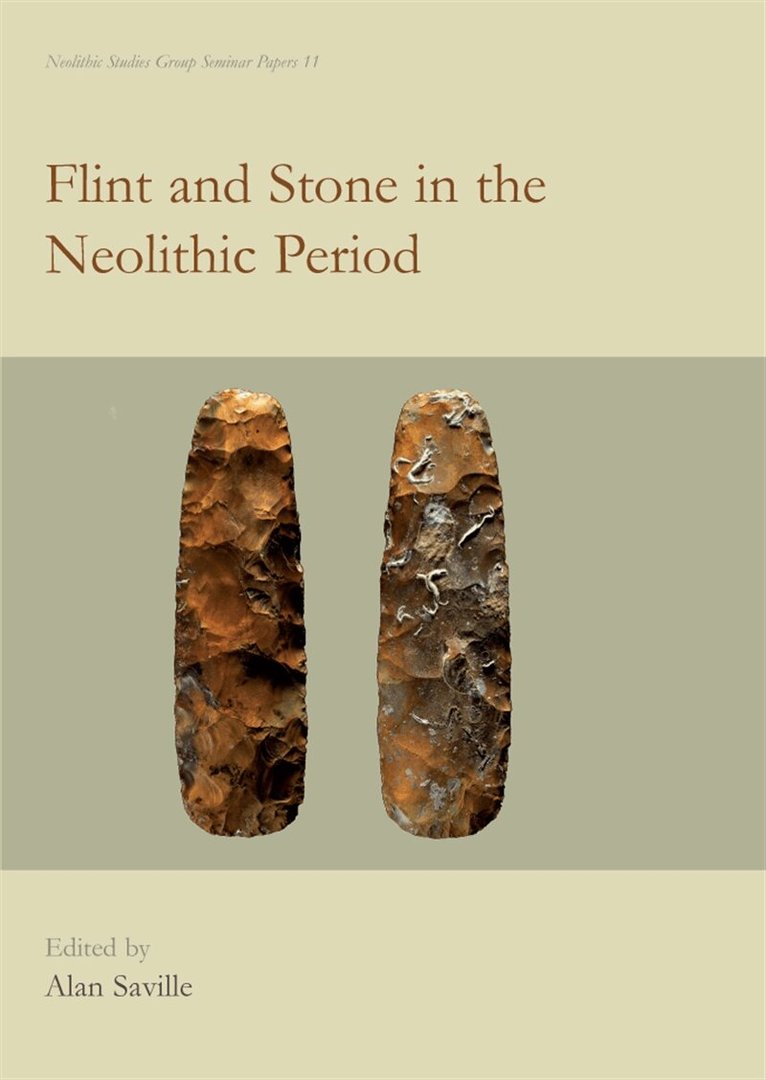
Flint and Stone in the Neolithic Period
Av Alan Saville
E-bok, 2021
127 kr
Lägg i varukorg
Lithic artefacts were an intrinsic part of Neolithic life both in terms of everyday practical use and in ritual/symbolic mode. Archaeologists and prehistorians studying the Neolithic period recognise this, and accordingly, strive to maximise relevant data recovery and subsequently exploit the …