Alessandro Busà – författare
Visar alla böcker från författaren . Handla med fri frakt och snabb leverans.
3 produkter
3 produkter
Inbunden, Engelska, 2017
382 kr
Skickas inom 5-8 vardagar
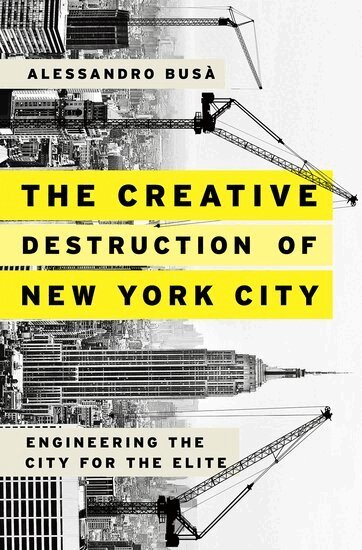
Bill de Blasio's campaign rhetoric centered on a tale of two cities: rich and poor New York. He promised to value the needs of poor and working-class New Yorkers alongside the elite, making government work better for all denizens of New York, not just those-the elite-who thrived during Bloomberg's tenure as mayor. But well into de Blasio's administration, many critics see the city finding myriad new ways to create profit for land owners and developers through a constant process of destruction and rebuilding. Many lauded his goals of creating more affordable housing, but, in 2015, Brooklyn was deemed the most unaffordable housing market in the United States, when viewed as a median income-to-median home cost ratio. Manhattan even with its higher median income, was the third least affordable market. Its notable new buildings include the much-maligned 432 Park Avenue, which is usually uninhabited due to the fact that most of its units are fourth residences. The old adage is becoming truer: New York is a place only for the very rich and the very poor. In The Creative Destruction of New York City, urban scholar Alessandro Busà tells the story of fifteen years of shocking transformations in the city, and an updated tale of two New Yorks, circa 2017. There is a gilded city of sky-high glass towers where Wall Street managers, Hollywood celebrities and Middle-Eastern billionaires live their glamorous lives or stash their offshore cash. And there is another New York, a city where even the professional middle class is one rent hike away from eviction. Despite de Blasio's rhetoric, the trajectory since Bloomberg has been remarkably consistent. A brand new global class of super-wealthy city consumers has been born, and, Busà argues, New York's urban development is changing to suit their ostentatious consumption demands. Meanwhile, the power of city producers, those who hold all the cards in the city building game, has never been greater. Power players in real estate, banking and finance have managed to ensure that, regardless of changes in leadership, their interests are safeguarded at City Hall. By aggressively re-zoning and re-branding neighborhoods across the board, they are producing a brand new city, a repackaged wonderland of lavish real estate targeting the elite market. The Creative Destruction of New York City is an important chronicle of both the success of the city's elite and of efforts to counter the city's march toward a glossy and exclusionary urban landscape. It is essential reading for everyone who cares about affordable housing access and, indeed, the soul of New York City.
E-bok
PDF, Engelska, 2017294 kr
Läs direkt efter köp
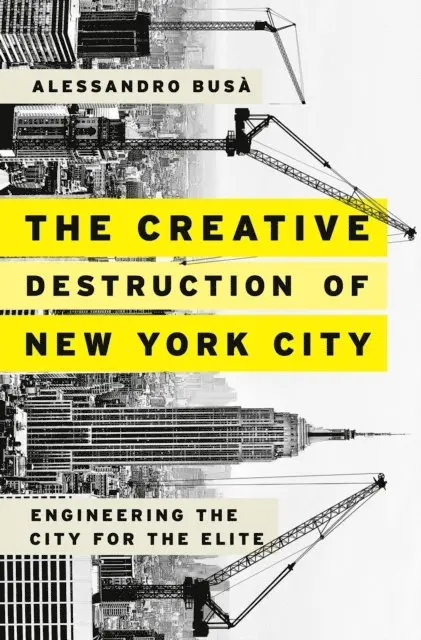
Bill de Blasio''s campaign rhetoric focused on a tale of two cities: rich and poor New York. He promised to value the needs of poor and working-class New Yorkers, making city government work better for everyone-not just those who thrived during Bloomberg''s tenure as mayor. But well into de Blasio''s administration, many critics think that little has changed in the lives of struggling New Yorkers, and that the gentrification of New York City is expanding at a record pace across the five boroughs. Despite the mayor''s goal of creating more affordable housing, Brooklyn and Manhattan sit atop the list of the most unaffordable housing markets in the country. It seems that the old adage is becoming truer: New York is a place for only the very rich and the very poor. In The Creative Destruction of New York City, urban scholar Alessandro Busà travels to neighborhoods across the city, from Harlem to Coney Island, from Hell''s Kitchen to East New York, to tell the story of fifteen years of drastic rezoning and rebranding, updating the tale of two New Yorks. There is a gilded city of sky-high glass towers where Wall Street managers and foreign billionaires live-or merely store their cash. And there is another New York: a place where even the professional middle class is one rent hike away from displacement. Despite de Blasio''s rhetoric, the trajectory since Bloomberg has been remarkably consistent. New York''s urban development is changing to meet the consumption demands of the very rich, and real estate moguls'' power has never been greater. Major players in real estate, banking, and finance have worked to ensure that, regardless of changes in leadership, their interests are safeguarded at City Hall. The Creative Destruction of New York City is an important chronicle of both the success of the city''s elite and of efforts to counter the city''s march toward a glossy and exclusionary urban landscape. It is essential reading for everyone who cares about affordable housing access and, indeed, the soul of New York City.
E-bok
Engelska, 2017294 kr
Läs direkt efter köp
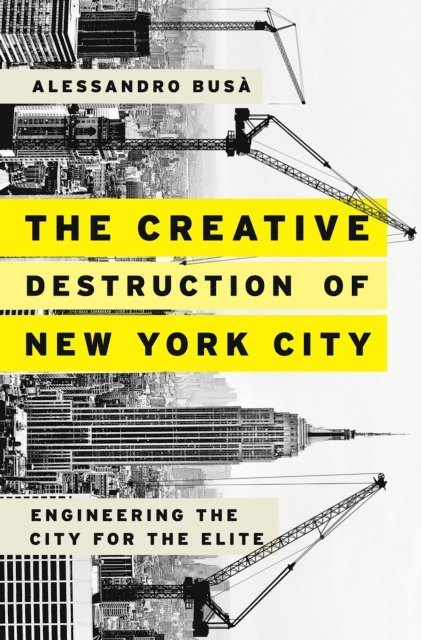
Bill de Blasio''s campaign rhetoric focused on a tale of two cities: rich and poor New York. He promised to value the needs of poor and working-class New Yorkers, making city government work better for everyone-not just those who thrived during Bloomberg''s tenure as mayor. But well into de Blasio''s administration, many critics think that little has changed in the lives of struggling New Yorkers, and that the gentrification of New York City is expanding at a record pace across the five boroughs. Despite the mayor''s goal of creating more affordable housing, Brooklyn and Manhattan sit atop the list of the most unaffordable housing markets in the country. It seems that the old adage is becoming truer: New York is a place for only the very rich and the very poor. In The Creative Destruction of New York City, urban scholar Alessandro Busà travels to neighborhoods across the city, from Harlem to Coney Island, from Hell''s Kitchen to East New York, to tell the story of fifteen years of drastic rezoning and rebranding, updating the tale of two New Yorks. There is a gilded city of sky-high glass towers where Wall Street managers and foreign billionaires live-or merely store their cash. And there is another New York: a place where even the professional middle class is one rent hike away from displacement. Despite de Blasio''s rhetoric, the trajectory since Bloomberg has been remarkably consistent. New York''s urban development is changing to meet the consumption demands of the very rich, and real estate moguls'' power has never been greater. Major players in real estate, banking, and finance have worked to ensure that, regardless of changes in leadership, their interests are safeguarded at City Hall. The Creative Destruction of New York City is an important chronicle of both the success of the city''s elite and of efforts to counter the city''s march toward a glossy and exclusionary urban landscape. It is essential reading for everyone who cares about affordable housing access and, indeed, the soul of New York City.