Alexandros Lamprou – författare
Visar alla böcker från författaren Alexandros Lamprou. Handla med fri frakt och snabb leverans.
5 produkter
5 produkter
467 kr
Läs direkt efter köp
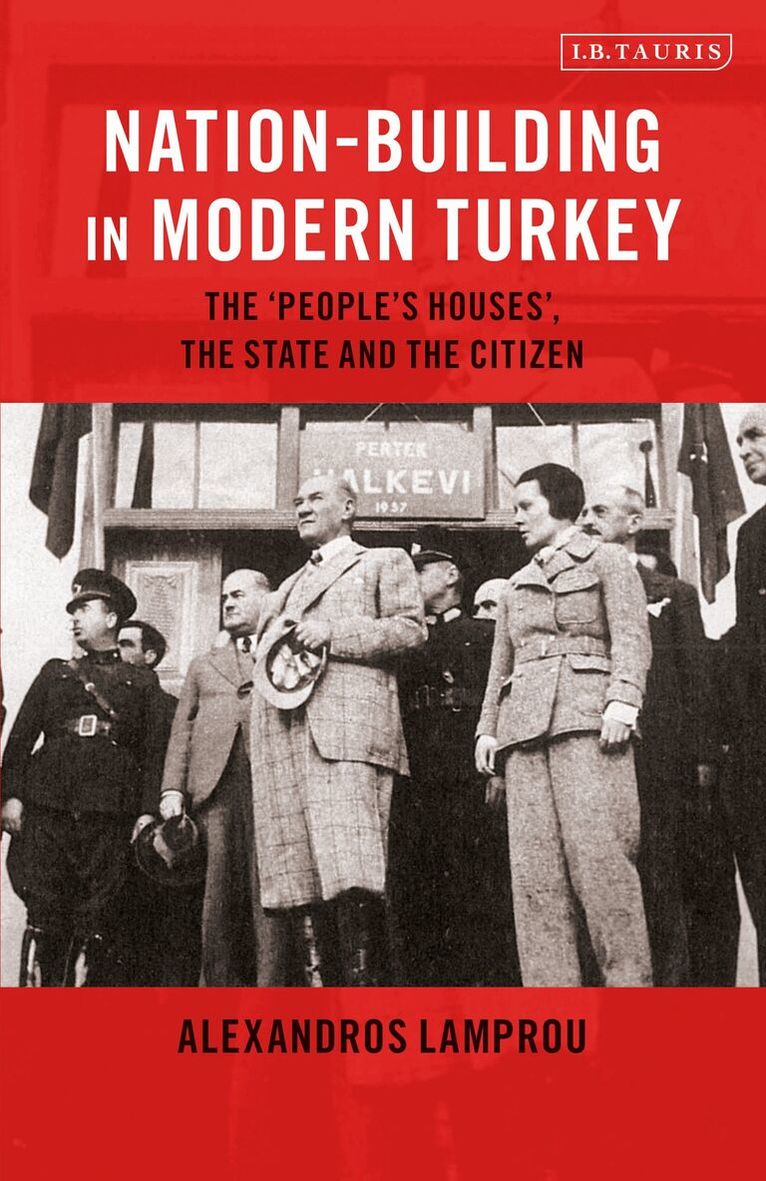
From 1924 to 1946 the Republic of Turkey was in effect ruled as an authoritarian single-party regime. During these years the state embarked upon an extensive reform programme of modernization and nation-building. The Kemalist reform movement has been extensively studied in its institutional dimensions as a state project of top-down reform; however, Nation-Building in Modern Turkey offers a fresh look at these formative years of the Turkish state. It studies modernist nation-building and state-society relations from a novel perspective through the study of the People's House, an institution aiming at the propagation of the modernist reforms to Turkey's urban population in the 1930s and 1940s. Using previously unpublished archival material and provincial publications, this work offers an alternative understanding of social change and state-society relations. In shifting the focus from the state as the fulcrum of change to the population's participation in the process, this book offers a 'peripheral' perspective of social change as it fashions a view from provincial towns. Focusing on everyday people, it explores their participation in and experience of the new habits and mixed-gender socialization practices the modernist state was introducing in the People's Houses, such as theatre, concerts, sports, dancing balls and village excursions. By analysing hundreds of petitions and complaint letters from the provinces, Alexandros Lamprou is able to examine the multiple ways ordinary people experienced, negotiated and resisted the reforms and to consider the ramifi cations of this process for the shaping of social and collective identities. Nation-Building in Modern Turkey will be essential reading for not only students and scholars of nation-building, socio-cultural change and state society-relations in Turkey, but also of the history, sociology, political science and anthropology of Turkey and the modern Middle East.
Inbunden, Engelska, 2015
1 999 kr
Skickas inom 10-15 vardagar
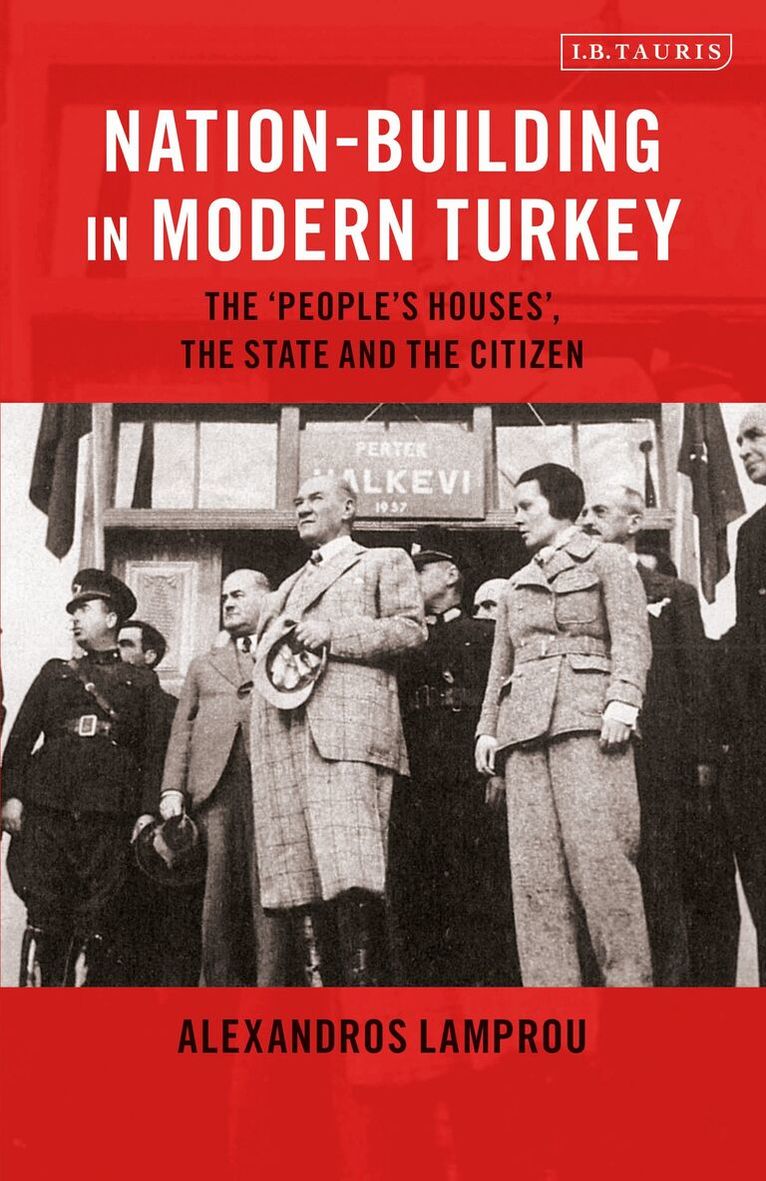
From 1924 to 1946 the Republic of Turkey was in effect ruled as an authoritarian single-party regime. During these years the state embarked upon an extensive reform programme of modernisation and nation-building. Alexandros Lamprou here offers an alternative understanding of social change and state-society relations in Turkey, shifting the focus from the state as the prime instigator of change to the population's participation in the process of reform. Through the study of the 'People's Houses', the community centres opened and operated by the Republican People's Party in most cities and towns of Turkey, and using previously unpublished archival material, Lamprou analyses how ordinary people experienced, negotiated and resisted the reforms in the 1930s and 1940s and how this process contributed to the shaping of social identities. This book will be essential reading for students and scholars of nation-building, socio-cultural change and state-society relations in modern Turkey.
E-bok
PDF, Engelska, 2015499 kr
Läs direkt efter köp
From 1924 to 1946 the Republic of Turkey was in effect ruled as an authoritarian single-party regime. During these years the state embarked upon an extensive reform programme of modernisation and nation-building. Alexandros Lamprou here offers an alternative understanding of social change and state-society relations in Turkey, shifting the focus from the state as the prime instigator of change to the population's participation in the process of reform. Through the study of the 'People's Houses', the community centres opened and operated by the Republican People's Party in most cities and towns of Turkey, and using previously unpublished archival material, Lamprou analyses how ordinary people experienced, negotiated and resisted the reforms in the 1930s and 1940s and how this process contributed to the shaping of social identities. This book will be essential reading for students and scholars of nation-building, socio-cultural change and state-society relations in modern Turkey.
Häftad, Engelska, 2019
462 kr
Skickas inom 10-15 vardagar
From 1924 to 1946 the Republic of Turkey was in effect ruled as an authoritarian single-party regime. During these years the state embarked upon an extensive reform programme of modernisation and nation-building. Alexandros Lamprou here offers an alternative understanding of social change and state-society relations in Turkey, shifting the focus from the state as the prime instigator of change to the population's participation in the process of reform. Through the study of the 'People's Houses', the community centres opened and operated by the Republican People's Party in most cities and towns of Turkey, and using previously unpublished archival material, Lamprou analyses how ordinary people experienced, negotiated and resisted the reforms in the 1930s and 1940s and how this process contributed to the shaping of social identities. This book will be essential reading for students and scholars of nation-building, socio-cultural change and state-society relations in modern Turkey.
Inbunden, Engelska, 2026
1 960 kr
Skickas inom 3-6 vardagar
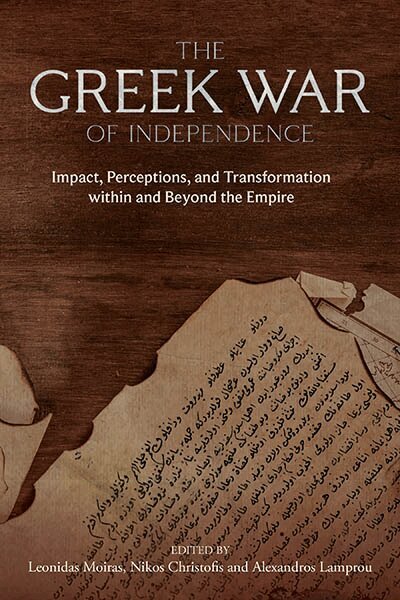
The Greek Revolution of 1821 was not merely a national uprising—it was a transnational event that reshaped the Eastern Mediterranean and reverberated across the globe. Moving beyond traditional nationalist historiography, this study draws on recent transnational and Ottoman-centered scholarship to examine how diaspora networks, European Philhellenes, and great power rivalries transformed a regional revolt into an international cause. The Ottoman context is treated not as a passive or declining backdrop, but as a dynamic, multiethnic polity grappling with reform, resistance, and the challenges of maintaining imperial cohesion. Drawing on multilingual and cross-regional sources, the contributors explore how the Revolution was perceived, contested, and reshaped across diverse cultural and political spaces, embedding 1821 within the broader currents of nineteenth-century revolution, diplomacy, and state formation.