Ann D. David – författare
Visar alla böcker från författaren Ann D. David. Handla med fri frakt och snabb leverans.
4 produkter
4 produkter
Häftad, Engelska, 2024
391 kr
Skickas inom 5-8 vardagar
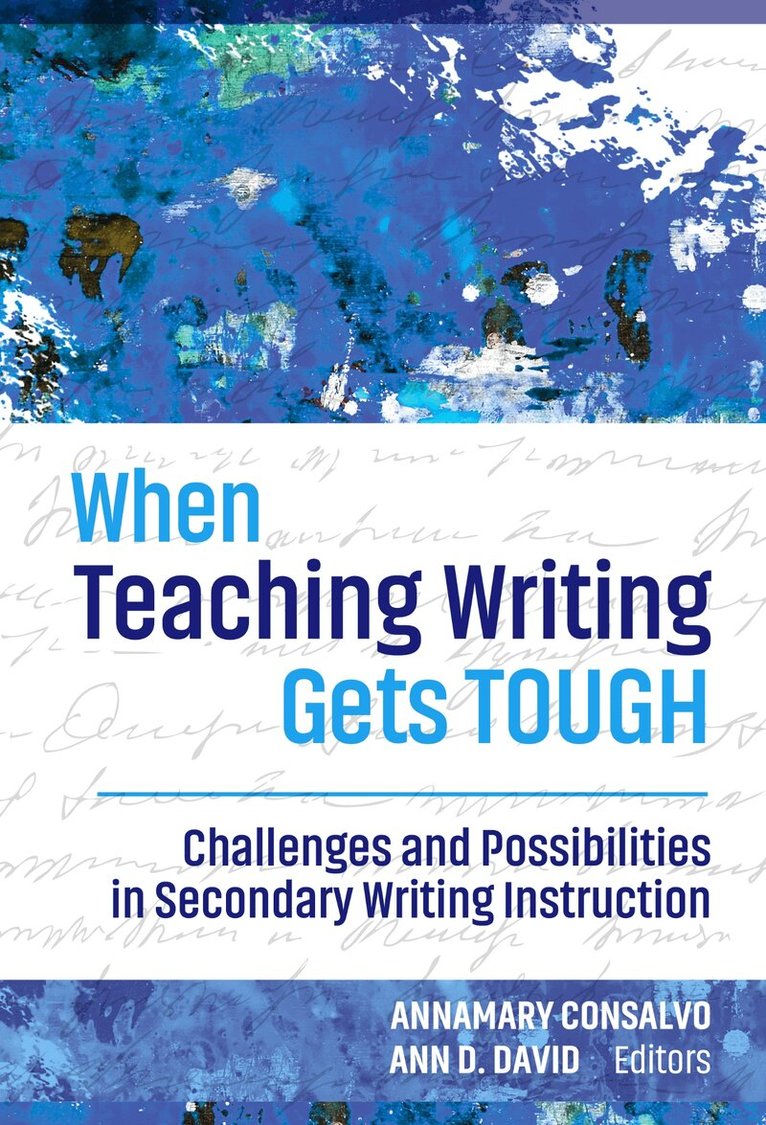
Writing instruction is a particular challenge because there is no singular, linear solution to teaching students to write well. This book approaches writing as a wicked problem that takes place in complicated contexts. Through both scholarly research and teacher reflection, it examines ELA classrooms and the experiences of writing teachers to identify approaches that have proven effective with adolescents. The book uses wickedity to frame the problems of teaching writing and offers context-specific solutions enacted by teachers. While it addresses the realities of standardized ways of teaching and assessing writing, the book also highlights the deep professional knowledge and practical strategies teachers bring to writing instruction in middle and high school classrooms. Chapters grapple with tensions between testing and authenticity, assessing writing in nuanced ways, and finding enjoyment in the work of teaching writing amid and alongside persistent complexities. Specific topics include students' writing process, revision, students as decision makers, multimodal writing, assessment and writer's notebooks, data-driven instruction, the high school–to-college transition, and teacher professional development.Book Features:Includes examples of how teachers approach specific challenges associated with teaching writing to adolescents, analyzing how and why their solutions proved effective. Focuses on students engaged in writing in classrooms, teachers implementing writing strategies, and professional learning.Offers a range of relevant voices on the topic of writing instruction with authors that include classroom teachers and scholars.
Inbunden, Engelska, 2024
1 291 kr
Skickas inom 5-8 vardagar
Writing instruction is a particular challenge because there is no singular, linear solution to teaching students to write well. This book approaches writing as a wicked problem that takes place in complicated contexts. Through both scholarly research and teacher reflection, it examines ELA classrooms and the experiences of writing teachers to identify approaches that have proven effective with adolescents. The book uses wickedity to frame the problems of teaching writing and offers context-specific solutions enacted by teachers. While it addresses the realities of standardized ways of teaching and assessing writing, the book also highlights the deep professional knowledge and practical strategies teachers bring to writing instruction in middle and high school classrooms. Chapters grapple with tensions between testing and authenticity, assessing writing in nuanced ways, and finding enjoyment in the work of teaching writing amid and alongside persistent complexities. Specific topics include students' writing process, revision, students as decision makers, multimodal writing, assessment and writer's notebooks, data-driven instruction, the high school–to-college transition, and teacher professional development.Book Features:Includes examples of how teachers approach specific challenges associated with teaching writing to adolescents, analyzing how and why their solutions proved effective. Focuses on students engaged in writing in classrooms, teachers implementing writing strategies, and professional learning.Offers a range of relevant voices on the topic of writing instruction with authors that include classroom teachers and scholars.
Häftad, Engelska, 2025
430 kr
Skickas inom 3-6 vardagar
E-bok
Engelska, 2025313 kr
Läs direkt efter köp
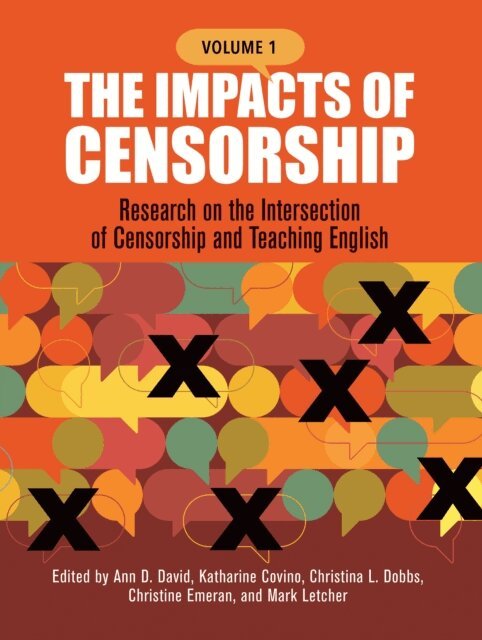
While censorship has long been a reality for English teachers, the current censorship crisis represents a material change. This censorship is driven by politics, specifically Christian nationalism and related right-wing ideologies, and often is supported and upheld by local policies and statewide legislation. It is focused on large-scale book challenges, resulting in thousands of book bans a year. The current censorship trend also includes public condemnation of teachers and librarians through school board meetings and social media.This volume, the first of two, shares original research on the upsurge of censorship that has overtaken the English language arts classroom, beginning in 2020. The articles in this volume feature research that examines censorship from a variety of angles, and provide insight into:A national survey of English teachers that found that while a minority of teachers experienced direct censorship, a vast majority of teachers are concerned about potential censorship and make book selections based on that well-founded fear.Research based on interviews with middle-school teachers about their book selections, which found that while most feel well-prepared to select high-quality children’s literature, they also feel constrained in their choices by both internal and external forces.Open-ended survey responses and storytelling to examine how teachers “worked around” restrictive curricular policies specific to the 1619 Project.The intersection of restrictive state legislation and policies, the reasons for book challenges, and the rhetoric around critical race theory and diversity, equity, and inclusion using critical policy analysis.Actions, steps, and policy strategies that teachers and administrators can use to prepare for and respond to book challenges.NCTE has long been an outspoken opponent of censorship. This support for books, reading, and teacher expertise continues through today via the Students’ Right to Read, the Committee Against Censorship, and the Intellectual Freedom Award. In a time of increasing censorship and attacks on diversity, equity, and inclusion, this series and this volume serve as timely tools for helping to navigate this challenging landscape.