Ann E. Davis – författare
Visar alla böcker från författaren Ann E. Davis. Handla med fri frakt och snabb leverans.
8 produkter
8 produkter
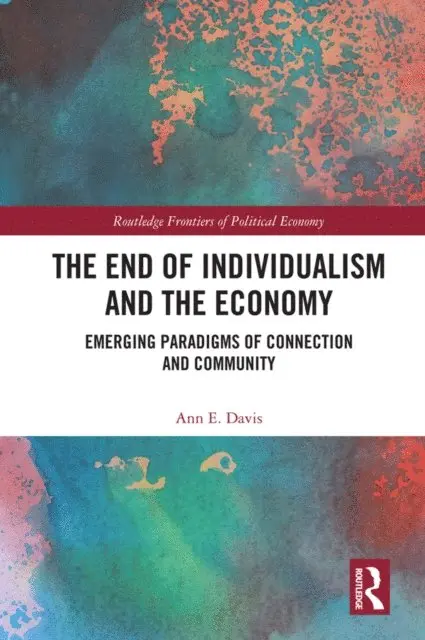
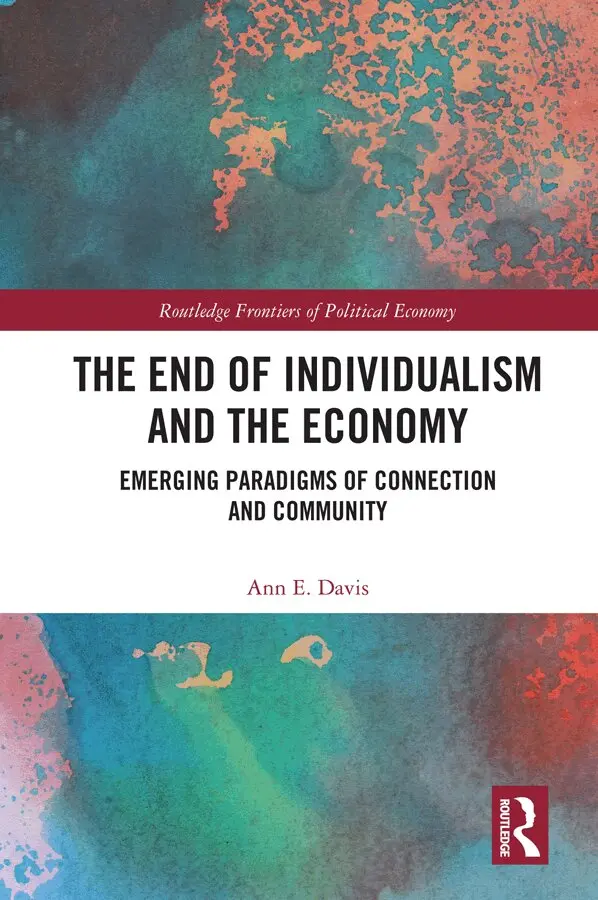
End of Individualism and the Economy
Emerging Paradigms of Connection and Community
Häftad, Engelska, 2021
618 kr
Skickas inom 10-15 vardagar
Individualism has been one of the driving forces in the rise of modern capitalism, and methodological individualism has been dominant in social science for many years. In this paradigm the economy is seen as a machine to routinize production and improve efficiency, and the discipline of economics has come to focus on control and automation. Recent innovations in natural and social sciences, however, indicate a shift in thinking away from individualism and towards interconnectedness.The End of Individualism and the Economy: Emerging Paradigms of Connection and Community traces the origins of “the individual” in history, philosophy, economics, and social science. Drawing from linguistic philosophy, there is increasing attention to language as a social substrate for all institutions, including money and the market. One irony is that the "individual" is a key term, related to distinct institutions and associated expertise; that is, "the individual" is social. The book explores the influence of individualism in the subversion of class consciousness, the view of impersonality as a virtue, and the rise of financialization. The founding assumption of economics, the rational autonomous individual with exogenous tastes, undercuts social solidarity and blocks awareness of interconnections and interdependencies. The text looks forward and embraces the new paradigms and alternative forms of governance, economics, and science which can be developed based on collectives and communities, with new values, frameworks, and world views.This work is suitable for academics, students, scholars, and researchers with an interest in economic and social collectives and methodological individualism, as well as those studying the connections between economics and other disciplines in the social and natural sciences.
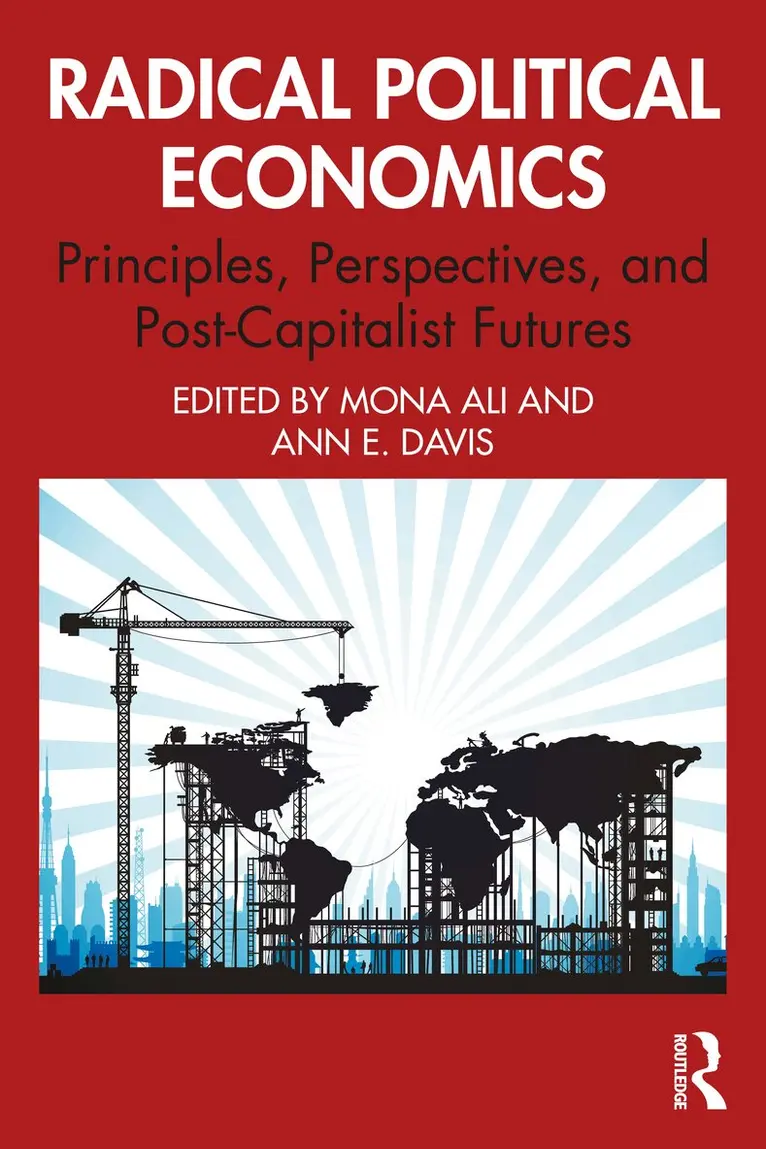
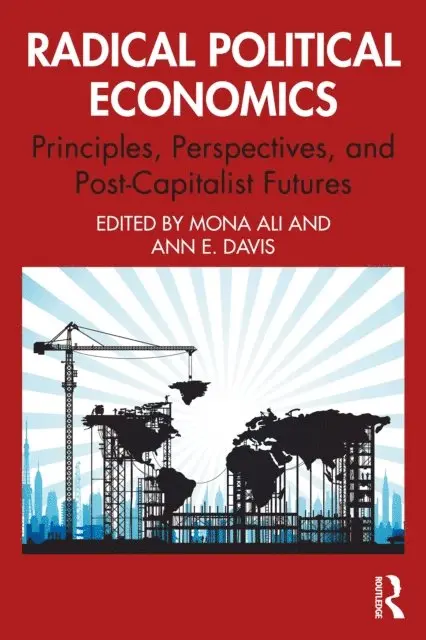
Radical Political Economics
Principles, Perspectives, and Post-Capitalist Futures
Häftad, Engelska, 2024
553 kr
Skickas inom 10-15 vardagar
This collection of essays engages in the analysis of key concepts, concerns, and cutting-edge insights in radical political economy.Offering a robust critique of capitalist institutions as well as of mainstream economics, radical political economics reveals the structures and dynamics of global capitalism. The attention to method, ideology, and institutions differentiates it from mainstream approaches to economics, which often obfuscate how capitalism actually works. While maintaining a central focus on capitalism, the analyses in this book encompass a variety of issues from racial discrimination, gender inequality, to economic development and imperialism. Capitalism is an economic system based on the exploitation of workers to generate surplus value (profit) which is then appropriated by the owners of capital. Under global capitalism, profit maximization precedes other social concerns such as protection of the environment. Political economy understands that social relations are shaped by class, race, geography, and gender. Capitalism skews social relations of production and reproduction. It perpetuates inequalities along classed, gendered, racialized, and geographic lines.Radical political economy offers ideas and policies to change capitalism, in ways that are more beneficial for people and the planet. Incorporating insights from a range of disciplines including history, philosophy, political science, anthropology, sociology, and law, the wide range of topics, diverse set of scholars, and consideration of future political-economy formations offers readers a deeper understanding of the contours of contemporary global capitalism and post-capitalist possibilities in the twenty-first century.
Radical Political Economics
Principles, Perspectives, and Post-Capitalist Futures
Inbunden, Engelska, 2024
2 036 kr
Skickas inom 10-15 vardagar
This collection of essays engages in the analysis of key concepts, concerns, and cutting-edge insights in radical political economy.Offering a robust critique of capitalist institutions as well as of mainstream economics, radical political economics reveals the structures and dynamics of global capitalism. The attention to method, ideology, and institutions differentiates it from mainstream approaches to economics, which often obfuscate how capitalism actually works. While maintaining a central focus on capitalism, the analyses in this book encompass a variety of issues from racial discrimination, gender inequality, to economic development and imperialism. Capitalism is an economic system based on the exploitation of workers to generate surplus value (profit) which is then appropriated by the owners of capital. Under global capitalism, profit maximization precedes other social concerns such as protection of the environment. Political economy understands that social relations are shaped by class, race, geography, and gender. Capitalism skews social relations of production and reproduction. It perpetuates inequalities along classed, gendered, racialized, and geographic lines.Radical political economy offers ideas and policies to change capitalism, in ways that are more beneficial for people and the planet. Incorporating insights from a range of disciplines including history, philosophy, political science, anthropology, sociology, and law, the wide range of topics, diverse set of scholars, and consideration of future political-economy formations offers readers a deeper understanding of the contours of contemporary global capitalism and post-capitalist possibilities in the twenty-first century.
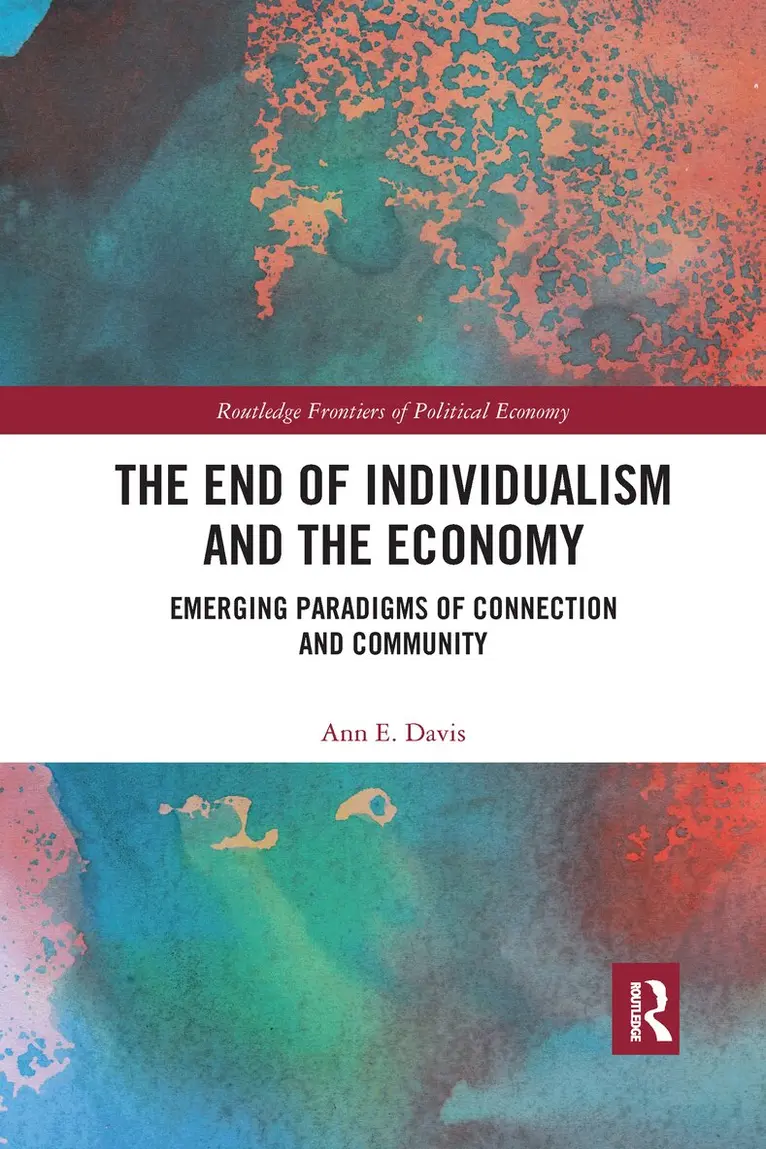
End of Individualism and the Economy
Emerging Paradigms of Connection and Community
Inbunden, Engelska, 2020
2 113 kr
Skickas inom 10-15 vardagar
Individualism has been one of the driving forces in the rise of modern capitalism, and methodological individualism has been dominant in social science for many years. In this paradigm the economy is seen as a machine to routinize production and improve efficiency, and the discipline of economics has come to focus on control and automation. Recent innovations in natural and social sciences, however, indicate a shift in thinking away from individualism and towards interconnectedness.The End of Individualism and the Economy: Emerging Paradigms of Connection and Community traces the origins of “the individual” in history, philosophy, economics, and social science. Drawing from linguistic philosophy, there is increasing attention to language as a social substrate for all institutions, including money and the market. One irony is that the "individual" is a key term, related to distinct institutions and associated expertise; that is, "the individual" is social. The book explores the influence of individualism in the subversion of class consciousness, the view of impersonality as a virtue, and the rise of financialization. The founding assumption of economics, the rational autonomous individual with exogenous tastes, undercuts social solidarity and blocks awareness of interconnections and interdependencies. The text looks forward and embraces the new paradigms and alternative forms of governance, economics, and science which can be developed based on collectives and communities, with new values, frameworks, and world views.This work is suitable for academics, students, scholars, and researchers with an interest in economic and social collectives and methodological individualism, as well as those studying the connections between economics and other disciplines in the social and natural sciences.
521 kr
Skickas inom 3-6 vardagar
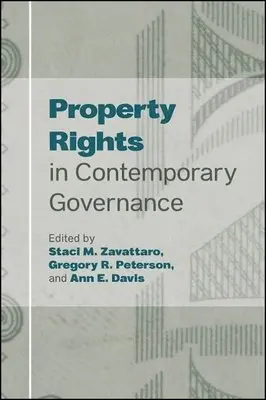
Examines how our diverse understandings of property impact real-world governing strategies.Property is a concept that is seemingly simple to understand yet continually evolving in the face of cultural change and technological advance. Property Rights in Contemporary Governance examines the many meanings of property, how they have changed over time, and the roles they play in policy, society, and law. With its deeply interdisciplinary approach, the book offers perspectives from economics, environmental studies, history, law, philosophy, public administration, and public policy. The contributors discuss such topics as the origin of the corporation, the role of the takings law, the development of legal protections for financial instruments in nineteenth-century France, the impact of climate change, the shifts in philosophical conceptions of property required by advances in intellectual property rights, and the influence of new technologies, including drones. This is a comprehensive and thoughtful exploration of how our diverse understandings of property impact real-world governing strategies.
972 kr
Tillfälligt slut
Examines how our diverse understandings of property impact real-world governing strategies.Property is a concept that is seemingly simple to understand yet continually evolving in the face of cultural change and technological advance. Property Rights in Contemporary Governance examines the many meanings of property, how they have changed over time, and the roles they play in policy, society, and law. With its deeply interdisciplinary approach, the book offers perspectives from economics, environmental studies, history, law, philosophy, public administration, and public policy. The contributors discuss such topics as the origin of the corporation, the role of the takings law, the development of legal protections for financial instruments in nineteenth-century France, the impact of climate change, the shifts in philosophical conceptions of property required by advances in intellectual property rights, and the influence of new technologies, including drones. This is a comprehensive and thoughtful exploration of how our diverse understandings of property impact real-world governing strategies.
1 202 kr
Skickas inom 10-15 vardagar
This book takes a radical approach to ecological economics, proposing a new paradigm based on earth systems science. Providing an alternative view of the relationship of humans to the earth, this book is appropriate for students and researchers across a variety of disciplines including economics, history, ecology, and philosophy.
1 202 kr
Skickas inom 10-15 vardagar
This book takes a radical approach to ecological economics, proposing a new paradigm based on earth systems science. This book questions the foundation of economics on individual private property, and proposes new forms of relationship to land and to the state. It questions the foundation of economics on the individual, and proposes new forms of regional ecological collectives, integrated at the global level. It critically examines the assumptions of economics and re-envisions it as more integrally related to society and ecology. The volume integrates insights from a variety of fields, including humanities, natural, and social science, placing human life in the setting of ecology. The chapters invoke a historical institutional methodology to examine the link between economic theories and economic institutions, understanding performativity and applying reflexivity, and the potential for the emergence of new visions and methods. The method draws upon literary studies, linguistic philosophy, as well as long term economic history. Providing an alternative view of the relationship of humans to the earth, this book is appropriate for students and researchers across a variety of disciplines including economics, history, ecology, and philosophy.