Anne Kiome Gatobu – författare
Visar alla böcker från författaren Anne Kiome Gatobu. Handla med fri frakt och snabb leverans.
6 produkter
6 produkter
Inbunden, Engelska, 2013
450 kr
Skickas inom 5-8 vardagar
Inbunden, Engelska, 2020
407 kr
Skickas inom 5-8 vardagar
Häftad, Engelska, 2013
298 kr
Skickas inom 5-8 vardagar
E-bok
Engelska, 2013455 kr
Läs direkt efter köp
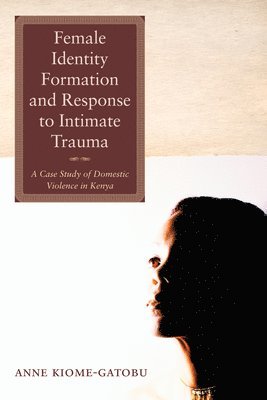
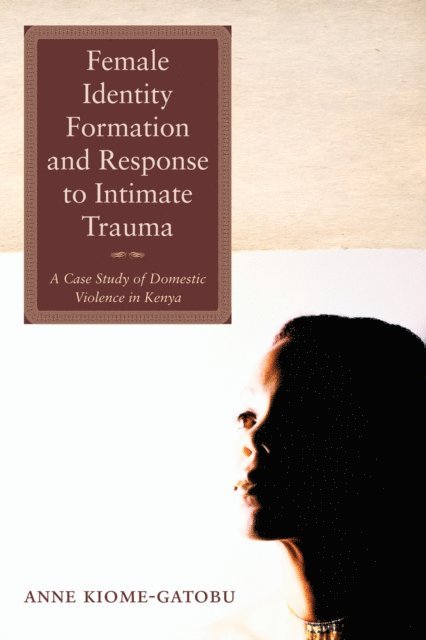
This book is a vital resource for intervention programs, educators, social workers, counselors, psychotherapists, pastoral counselors, and survivors of intimate violence and their families. It gives the reader access to the inner emotions and psychological mechanisms of survivors of intimate violence in collective cultures that work to hold them captive in violent relationships. The author integrates the psychological developmental theories of Heinz Kohut and Erik Erikson with social, cultural, and religious aspects to demonstrate the collusive power of what she calls the orienting system (psychosocial and religious cultural force) in the formation of a female sense of self, to investigate the peculiar range of responses of females to intimate violence. Using theoretical and empirical research, the author claims that the demeanor and functionality of the female survivor of intimate violence is an adaptation that enables her to retain her socially prescribed roles, which she appropriates as a social identity and sense of self. A surprising aspect of this work is the transformative power of religion, also resourced in the orienting system, in transforming the psychic hold of survivors to cathected self-objects, to self-images that approximate a self in healthy relationship with God. Consequently the energies and investment released can be redirected to cohere in self-identities that can optimize drive, thrive and relationality.
Häftad, Engelska, 2020
260 kr
Skickas inom 5-8 vardagar
E-bok
Engelska, 2020382 kr
Läs direkt efter köp
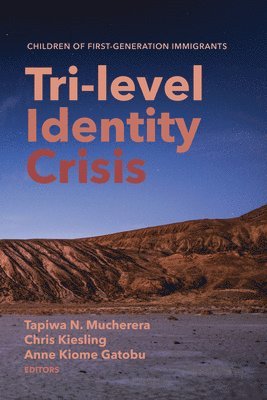
This text captures the profound unacknowledged crisis that is unique to children of first-generation immigrants, by virtue of their being caught in a world of their parents' culture of origin and their social experience in the United States. The book makes the case for three levels of adolescent crisis unique to this population, namely, the general developmental crisis experienced by all adolescents as articulated by developmental theories; the cultural identity crises experienced by ethnic minority persons as they encounter the layered racialization of American history; and, finally, the unique crisis that arises from conflicting cultural values and morals when first-generation immigrant parents, wanting to preserve native values, clash with their children, who seek belonging in the Western context in which they currently reside. The book traces the psychological, emotional, and social roots of the crisis. The authors, representing immigrants from different continents, portray the unique, ethnic minority challenges they encounter in coming to the US, exemplifying further the tri-level crisis. Finally, the book offers ways that parents can be proactive in helping their children navigate the potential tri-level crisis through ITAV (It Takes a Village) camps and family palavers.