Asiya Malik – författare
Visar alla böcker från författaren Asiya Malik. Handla med fri frakt och snabb leverans.
3 produkter
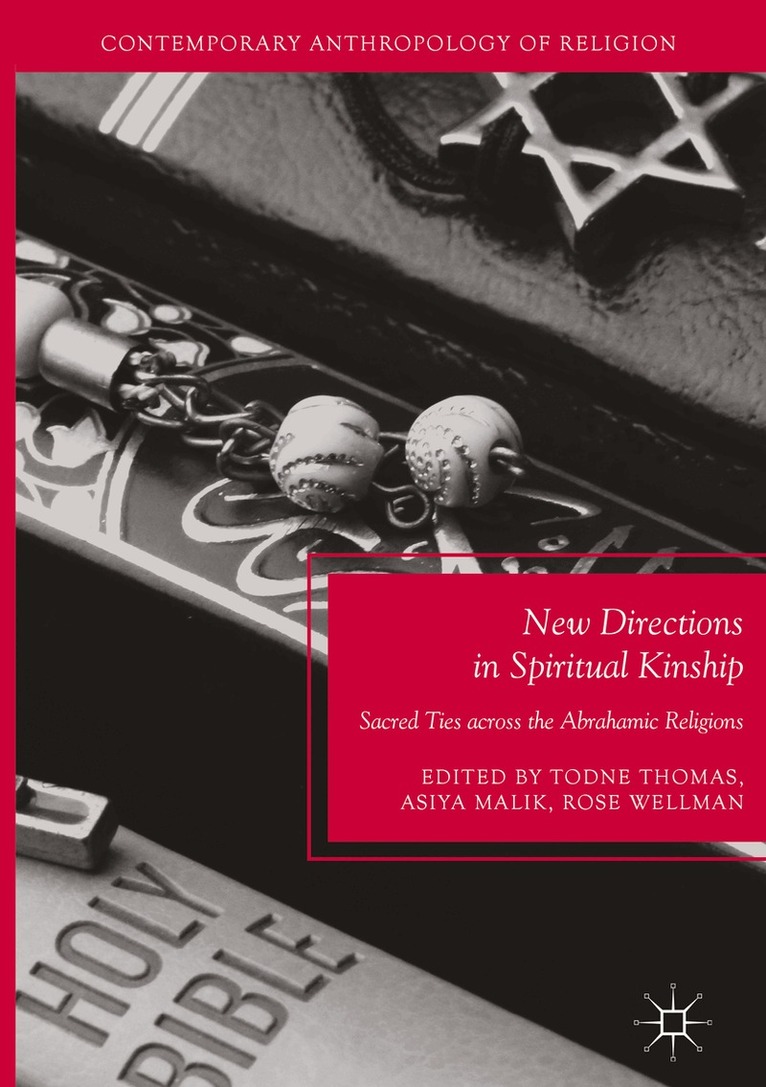
New Directions in Spiritual Kinship
Sacred Ties across the Abrahamic Religions
Av Todne Thomas, Asiya Malik m. fl.
Inbunden, 2017
1202 kr
Lägg i varukorg
This volume examines the significance of spiritual kinship—or kinship reckoned in relation to the divine—in creating myriad forms of affiliations among Christians, Jews, and Muslims. Rather than confining the study of spiritual kinship to Christian godparenthood or presuming its disappearance in …
New Directions in Spiritual Kinship
Sacred Ties across the Abrahamic Religions
Av Rose Wellman, Asiya Malik m. fl.
E-bok, 2017
1587 kr
Lägg i varukorg
This volume examines the significance of spiritual kinship—or kinship reckoned in relation to the divine—in creating myriad forms of affiliations among Christians, Jews, and Muslims. Rather than confining the study of spiritual kinship to Christian godparenthood or presuming its disappearance in …
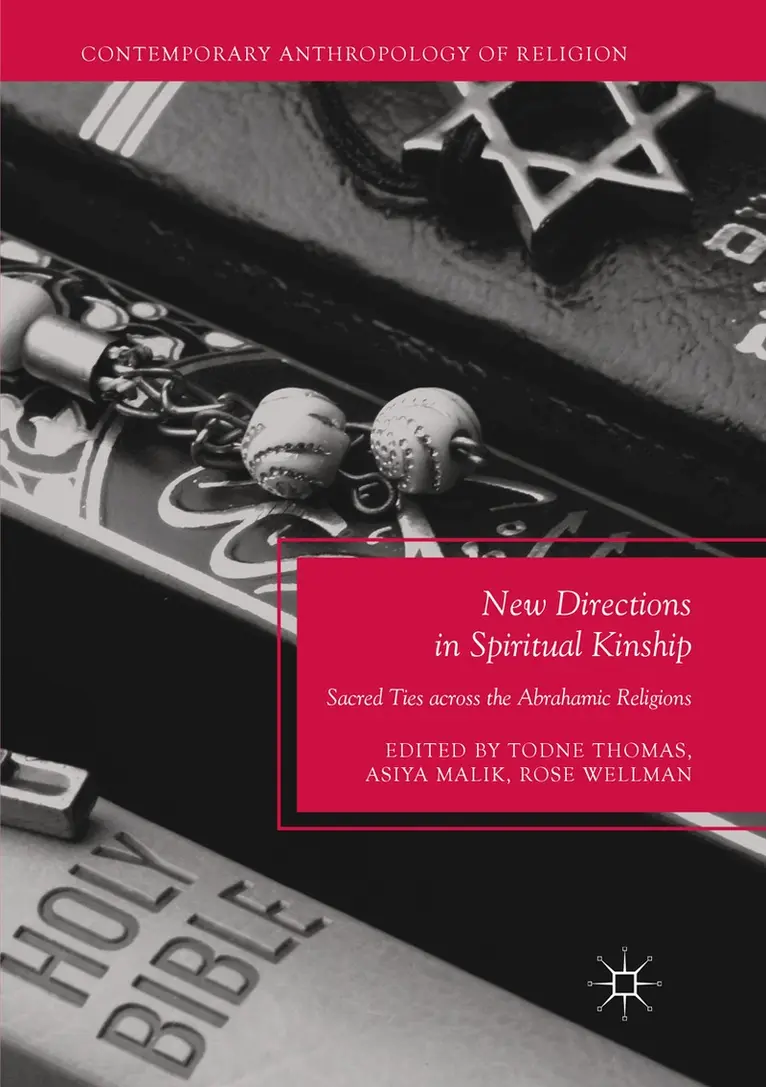
New Directions in Spiritual Kinship
Sacred Ties across the Abrahamic Religions
Av Todne Thomas, Asiya Malik m. fl.
Häftad, 2018
1202 kr
Lägg i varukorg
This volume examines the significance of spiritual kinship—or kinship reckoned in relation to the divine—in creating myriad forms of affiliations among Christians, Jews, and Muslims. Rather than confining the study of spiritual kinship to Christian godparenthood or presuming its disappearance in …