Asoka Bandarage – författare
Visar alla böcker från författaren Asoka Bandarage. Handla med fri frakt och snabb leverans.
11 produkter
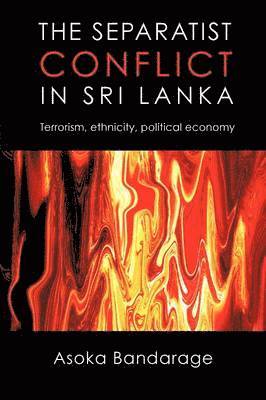
Separatist Conflict in Sri Lanka
Terrorism, ethnicity, political economy
Inbunden, 2008
2578 kr
Lägg i varukorg
The book provides a detailed historically-based analysis of the origin, evolution and potential resolution of the civil conflict in Sri Lanka over the struggle to establish a separate state in its Northern and Eastern provinces. This conflict between the Sri Lankan government and the secessionist …
Separatist Conflict in Sri Lanka
Terrorism, ethnicity, political economy
E-bok, 2008
856 kr
Lägg i varukorg
The book provides a detailed historically-based analysis of the origin, evolution and potential resolution of the civil conflict in Sri Lanka over the struggle to establish a separate state in its Northern and Eastern provinces. This conflict between the Sri Lankan government and the secessionist …
Separatist Conflict in Sri Lanka
Terrorism, ethnicity, political economy
E-bok, 2008
838 kr
Lägg i varukorg
The book provides a detailed historically-based analysis of the origin, evolution and potential resolution of the civil conflict in Sri Lanka over the struggle to establish a separate state in its Northern and Eastern provinces. This conflict between the Sri Lankan government and the secessionist …
Separatist Conflict in Sri Lanka
Terrorism, ethnicity, political economy
Häftad, 2009
204 kr
Lägg i varukorg
Colonialism in Sri Lanka: The Political Economy of the Kandyan Highlands, 1833-1886
Häftad, 2020
438 kr
Lägg i varukorg
Crisis in Sri Lanka and the World [Sinhala version]
E-bok, 2023
494 kr
Lägg i varukorg
This book provides a broad picture of Sri Lanka''s on-going political and economic crisis as the culmination of several centuries of colonial and neo-colonial developments. The book presents the Sri Lankan crisis as an exemplification of a broader global existential crisis facing more and more debt …
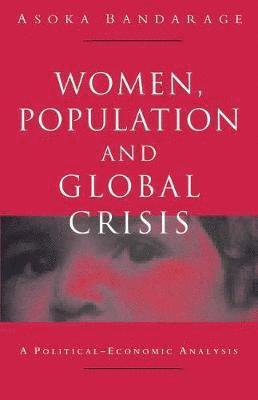
Women, Population and Global Crisis
A Political-Economic Analysis
Häftad, 1997
570 kr
Lägg i varukorg
It has been widely assumed that over-population is one of the root causes of global crisis; even amongst feminist and environmental movements, the common wisdom on population has never been seriously critiqued. This book provides that critique; it gives a historical overview of the population …
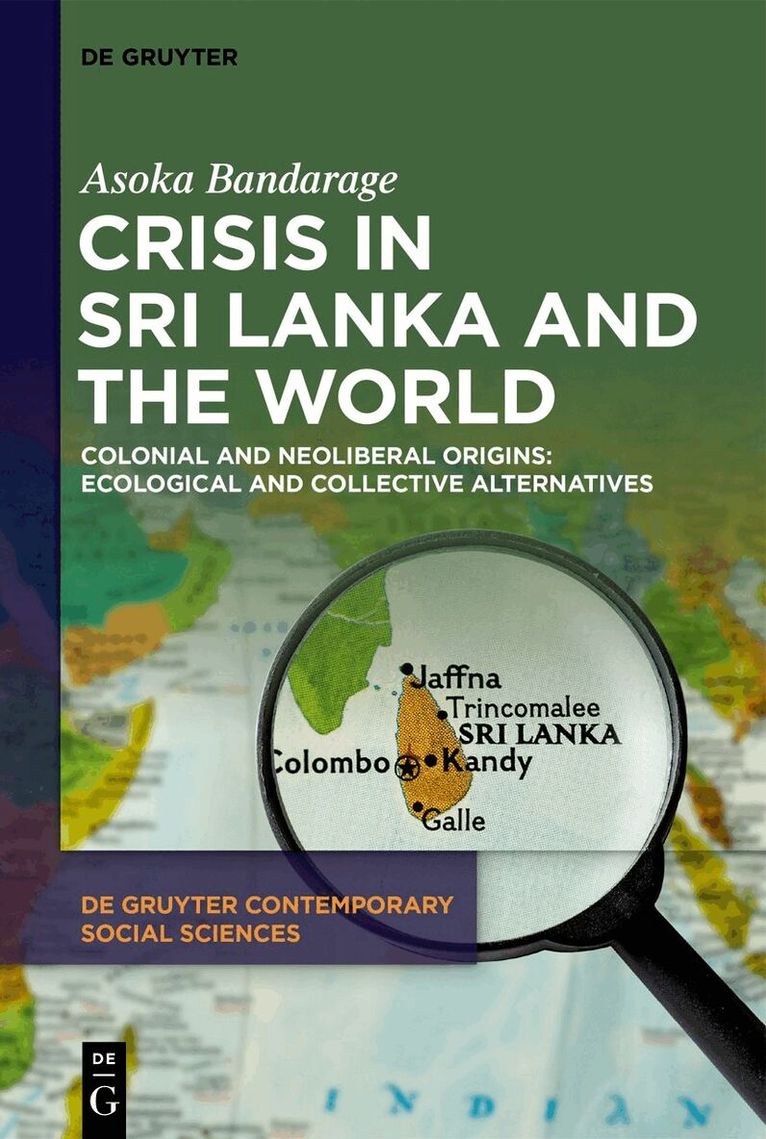
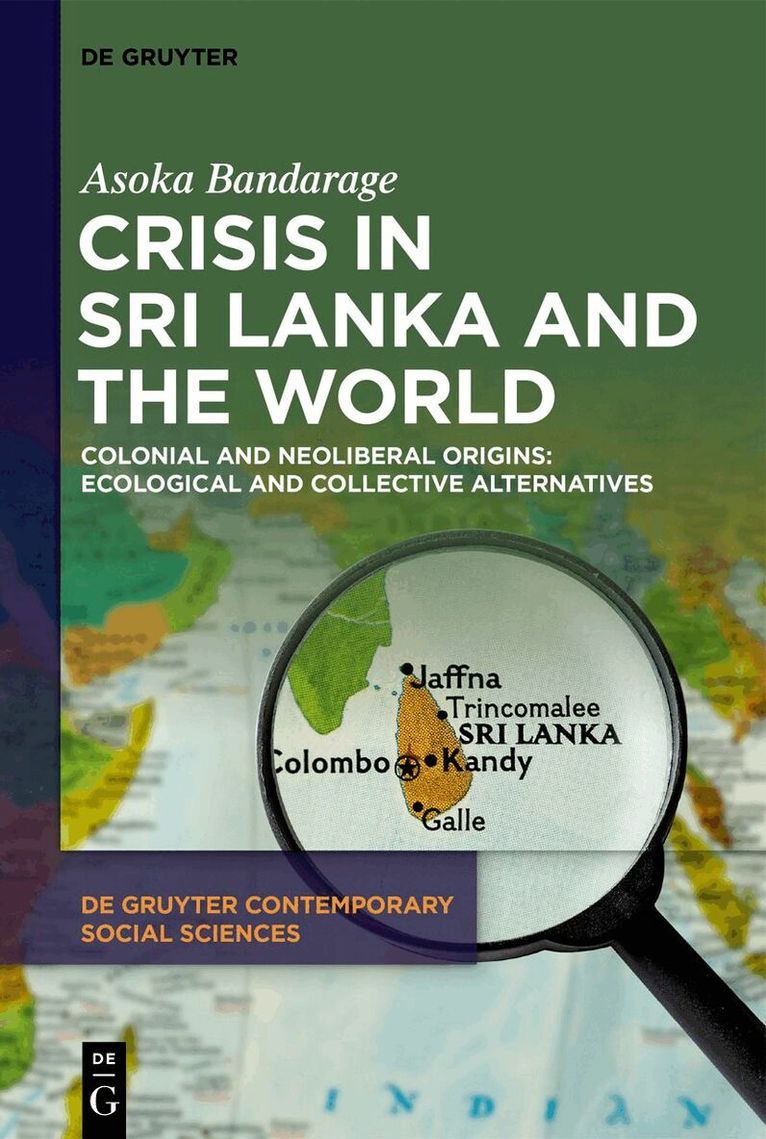
Crisis in Sri Lanka and the World
Colonial and Neoliberal Origins: Ecological and Collective Alternatives
Inbunden, 2023
1322 kr
Lägg i varukorg
No detailed description available for "Crisis in Sri Lanka and the World".
Crisis in Sri Lanka and the World
Colonial and Neoliberal Origins: Ecological and Collective Alternatives
E-bok, 2023
1391 kr
Lägg i varukorg
This book provides a broad picture of Sri Lanka’s on-going political and economic crisis as the culmination of several centuries of colonial and neo-colonial developments. The book presents the Sri Lankan crisis as an exemplification of a broader global existential crisis facing more and more debt …
Crisis in Sri Lanka and the World
Colonial and Neoliberal Origins: Ecological and Collective Alternatives
E-bok, 2023
1391 kr
Lägg i varukorg
This book provides a broad picture of Sri Lanka’s on-going political and economic crisis as the culmination of several centuries of colonial and neo-colonial developments. The book presents the Sri Lankan crisis as an exemplification of a broader global existential crisis facing more and more debt …
Crisis in Sri Lanka and the World
Colonial and Neoliberal Origins: Ecological and Collective Alternatives
Häftad, 2023
276 kr
Lägg i varukorg
This book provides a broad picture of Sri Lanka’s on-going political and economic crisis as the culmination of several centuries of colonial and neo-colonial developments. The book presents the Sri Lankan crisis as an exemplification of a broader global existential crisis facing more and more debt …

![Asoka Bandarage - Crisis in Sri Lanka and the World [Sinhala version], E-bok. Tillgänglighet: Lägg i varukorg](https://image.bokus.com/images2/9781734941418_766)