Bankimcandra Chatterji – författare
Visar alla böcker från författaren Bankimcandra Chatterji. Handla med fri frakt och snabb leverans.
5 produkter
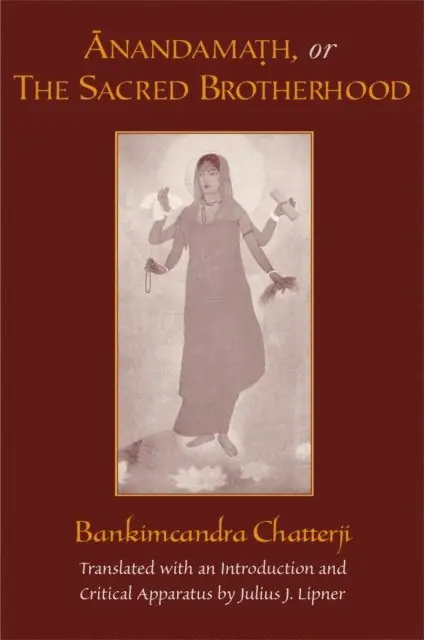
Anandamath, or The Sacred Brotherhood
Av Julius J. Lipner, Bankimcandra Chatterji
E-bok, 2005
694 kr
Lägg i varukorg
Winner of the A.K. Ramanujan Prize for Annotated Translation This is a translation of a historically important Bengali novel. Published in 1882, Chatterji''s Anandamath helped create the atmosphere and the symbolism for the nationalist movement leading to Indian independence in 1947. It contains …
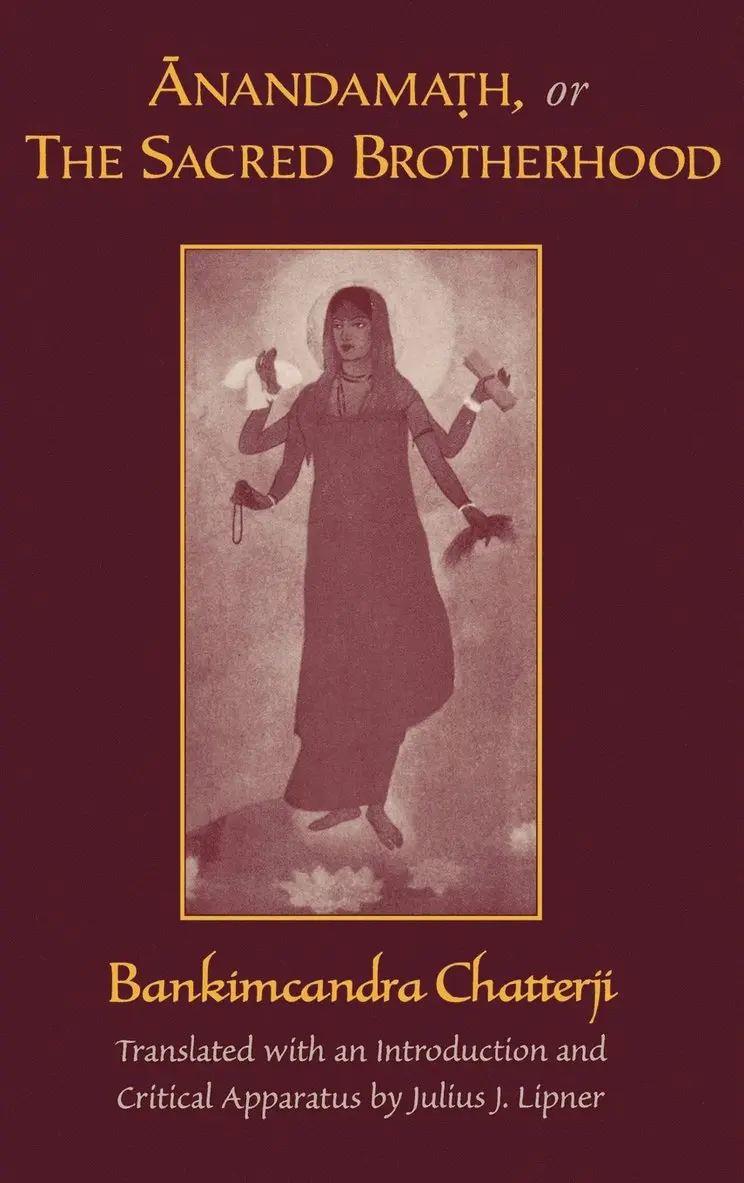
Anandamath, or The Sacred Brotherhood
A Translation of Bankimcandra Chatterji's Anandamath, with Introduction and Critical Apparatus
Inbunden, 2005
1134 kr
Lägg i varukorg
This is a translation of a historically important Bengali novel. Published in 1882, Chatterji's Anandamath helped create the atmosphere and the symbolism for the nationalist movement leading to Indian independence in 1947. It contains the famous hymn Vande Mataram ("I revere the Mother"), which has …
Anandamath or The Sacred Brotherhood
A Translation of Bankimcandra Chatterji's Anandamath, with Introduction and Critical Apparatus
Häftad, 2005
1160 kr
Lägg i varukorg
This is a translation of a historically important Bengali novel. Published in 1882, Chatterji's Anandamath helped create the atmosphere and the symbolism for the nationalist movement leading to Indian independence in 1947. It contain the famous hymn Vande Mataram ("I revere the Mother"), which has …
Debi Chaudhurani, or The Wife Who Came Home
Häftad, 2009
579 kr
Lägg i varukorg
This is the second in a trilogy of works by the famed Bengali novelist Bankimcandra Chatterji (1838-1894), and the second to be translated by Julius Lipner. The first, Anandamath, or The Sacred Brotherhood was published by OUP in 2005. Bankim Chatterji was perhaps the foremost novelist and …
Anandamath, or The Sacred Brotherhood
Av Julius J. Lipner, Bankimcandra Chatterji
E-bok, 2005
780 kr
Lägg i varukorg
Winner of the A.K. Ramanujan Prize for Annotated Translation This is a translation of a historically important Bengali novel. Published in 1882, Chatterji''s Anandamath helped create the atmosphere and the symbolism for the nationalist movement leading to Indian independence in 1947. It contains …