Barbara Hendrischke – författare
Visar alla böcker från författaren Barbara Hendrischke. Handla med fri frakt och snabb leverans.
3 produkter
3 produkter
Del 3 - Daoist Classics
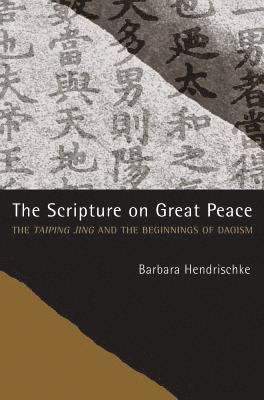
Scripture on Great Peace
The Taiping jing and the Beginnings of Daoism
Inbunden, Engelska, 2007
963 kr
Skickas inom 5-8 vardagar
This first Western-language translation of one of the great books of the Daoist religious tradition, the "Taiping jing', or "Scripture on Great Peace," documents early Chinese medieval thought and lays the groundwork for a more complete understanding of Daoism's origins. Barbara Hendrischke, a leading expert on the Taiping jing in the West, has spent twenty-five years on this magisterial translation, which includes notes that contextualize the scripture's political and religious significance. Virtually unknown to scholars until the 1970s, the "Taiping jing" raises the hope for salvation in a practical manner by instructing men and women how to appease heaven and satisfy earth and thereby reverse the fate that thousands of years of human wrongdoing has brought about. The scripture stems from the beginnings of the Daoist religious movement, when ideas contained in the ancient Laoziwere spread with missionary fervor among the population at large."The Taiping jing" demonstrates how early Chinese medieval thought arose from the breakdown of the old imperial order and replaced it with a vision of a new, more diverse and fair society that would integrate outsiders - in particular women and people of a non-Chinese background.
Del 3 - Daoist Classics
Scripture on Great Peace
The Taiping jing and the Beginnings of Daoism
Häftad, Engelska, 2015
340 kr
Skickas inom 5-8 vardagar
This first Western-language translation of one of the great books of the Daoist religious tradition, the Taiping jing, or Scripture on Great Peace," documents early Chinese medieval thought and lays the groundwork for a more complete understanding of Daoism's origins. Barbara Hendrischke, a leading expert on the Taiping jing in the West, has spent twenty-five years on this magisterial translation, which includes notes that contextualize the scripture's political and religious significance. Virtually unknown to scholars until the 1970s, the Taiping jing raises the hope for salvation in a practical manner by instructing men and women how to appease heaven and satisfy earth and thereby reverse the fate that thousands of years of human wrongdoing has brought about. The scripture stems from the beginnings of the Daoist religious movement, when ideas contained in the ancient Laozi were spread with missionary fervor among the population at large.The Taiping jing demonstrates how early Chinese medieval thought arose from the breakdown of the old imperial order and replaced it with a vision of a new, more diverse and fair society that would integrate outsiders in particular women and people of a non-Chinese background.
E-bok
Engelska, 2007552 kr
Läs direkt efter köp
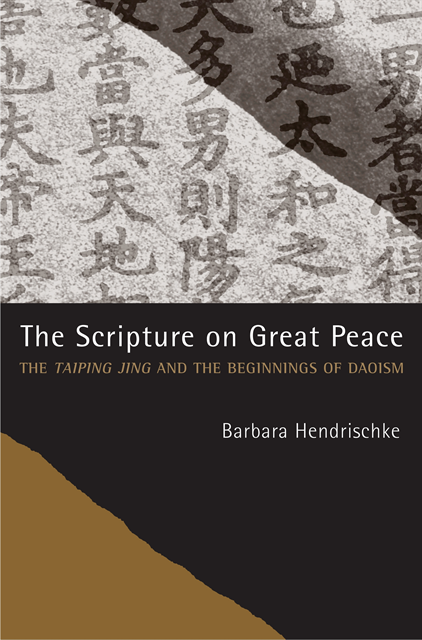
This first Western-language translation of one of the great books of the Daoist religious tradition, the Taiping jing, or "Scripture on Great Peace," documents early Chinese medieval thought and lays the groundwork for a more complete understanding of Daoism’s origins. Barbara Hendrischke, a leading expert on the Taiping jing in the West, has spent twenty-five years on this magisterial translation, which includes notes that contextualize the scripture’s political and religious significance. Virtually unknown to scholars until the 1970s, the Taiping jing raises the hope for salvation in a practical manner by instructing men and women how to appease heaven and satisfy earth and thereby reverse the fate that thousands of years of human wrongdoing has brought about. The scripture stems from the beginnings of the Daoist religious movement, when ideas contained in the ancient Laoziwere spread with missionary fervor among the population at large. The Taiping jing demonstrates how early Chinese medieval thought arose from the breakdown of the old imperial order and replaced it with a vision of a new, more diverse and fair society that would integrate outsiders—in particular women and people of a non-Chinese background.