Barbara Krahé – författare
Visar alla böcker från författaren Barbara Krahé. Handla med fri frakt och snabb leverans.
6 produkter
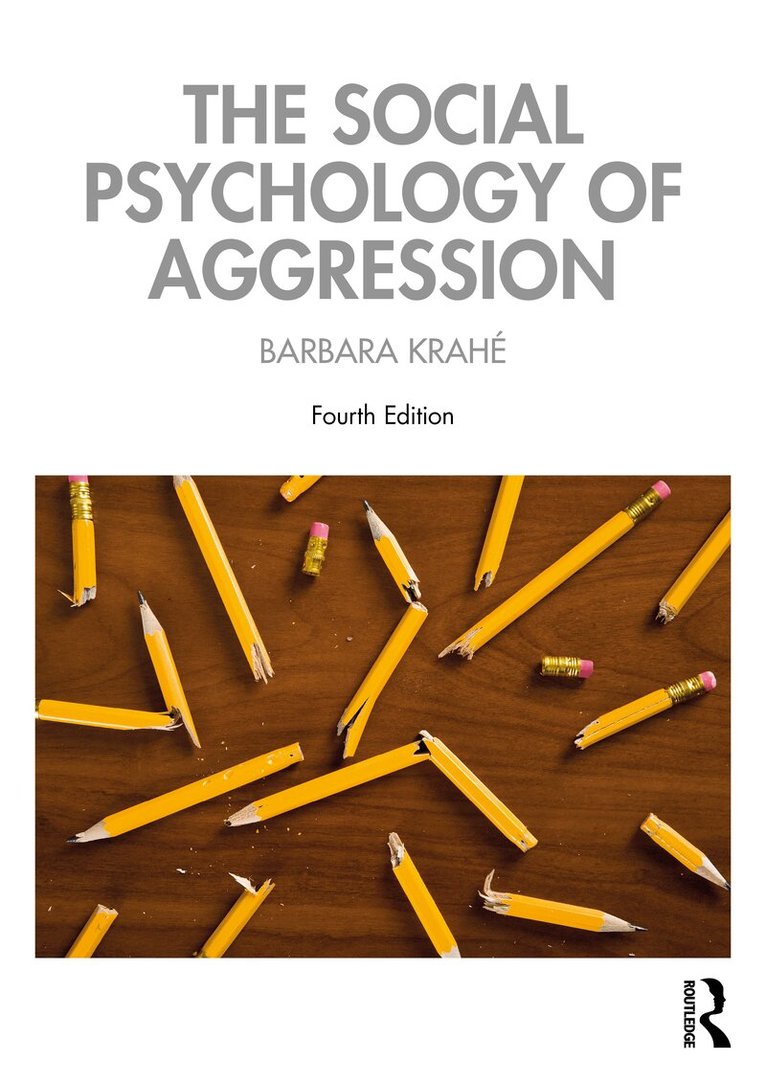
Social Psychology of Aggression
Häftad, 2025
906 kr
Lägg i varukorg
The fourth edition of this best-selling textbook offers a comprehensive and up-to-date overview of the social psychology of aggression, covering all the relevant major theories, individual differences, situational factors, and applied contexts.The book examines a range of topics that can help us …
Social Psychology of Aggression
Inbunden, 2025
2585 kr
Lägg i varukorg
The fourth edition of this best-selling textbook offers a comprehensive and up-to-date overview of the social psychology of aggression, covering all the relevant major theories, individual differences, situational factors, and applied contexts.The book examines a range of topics that can help us …
Social Psychology of Aggression
E-bok, 2025
1070 kr
Lägg i varukorg
The fourth edition of this best-selling textbook offers a comprehensive and up-to-date overview of the social psychology of aggression, covering all the relevant major theories, individual differences, situational factors, and applied contexts. The book examines a range of topics that can help us …
Social Psychology of Aggression
E-bok, 2025
1070 kr
Lägg i varukorg
The fourth edition of this best-selling textbook offers a comprehensive and up-to-date overview of the social psychology of aggression, covering all the relevant major theories, individual differences, situational factors, and applied contexts. The book examines a range of topics that can help us …
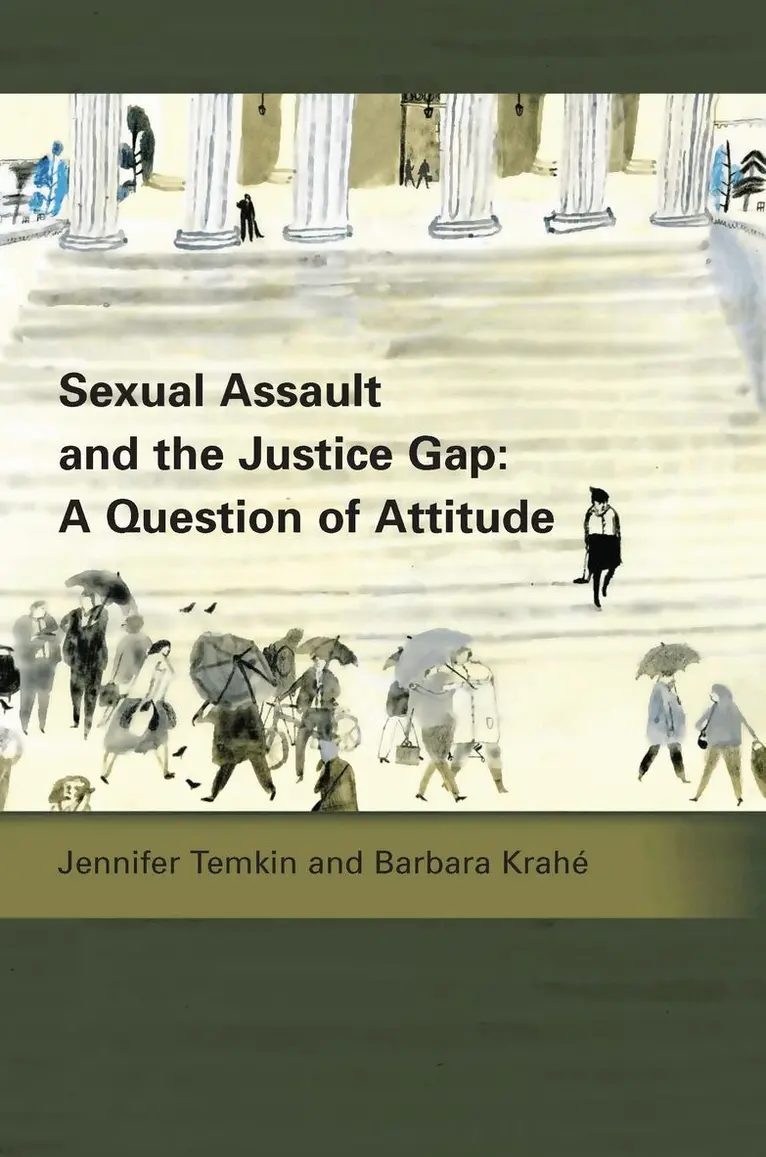
Sexual Assault and the Justice Gap: A Question of Attitude
Av Barbara Krahé, Jennifer Temkin
Häftad, 2008
916 kr
Lägg i varukorg
This book is set against the background of the 'justice gap' in sexual assault cases - the dramatic gap between the number of offences recorded by the police and the number of convictions. It seeks to examine the attitudinal problems which bedevil this area of law and possible strategies for …
Sexual Assault and the Justice Gap: A Question of Attitude
Av Jennifer Temkin, Barbara Krahé
E-bok, 2008
1004 kr
Lägg i varukorg
This book is set against the background of the ''justice gap'' in sexual assault cases - the dramatic gap between the number of offences recorded by the police and the number of convictions. It seeks to examine the attitudinal problems which bedevil this area of law and possible strategies for …