Barbara Zanchetta – författare
Visar alla böcker från författaren Barbara Zanchetta. Handla med fri frakt och snabb leverans.
10 produkter
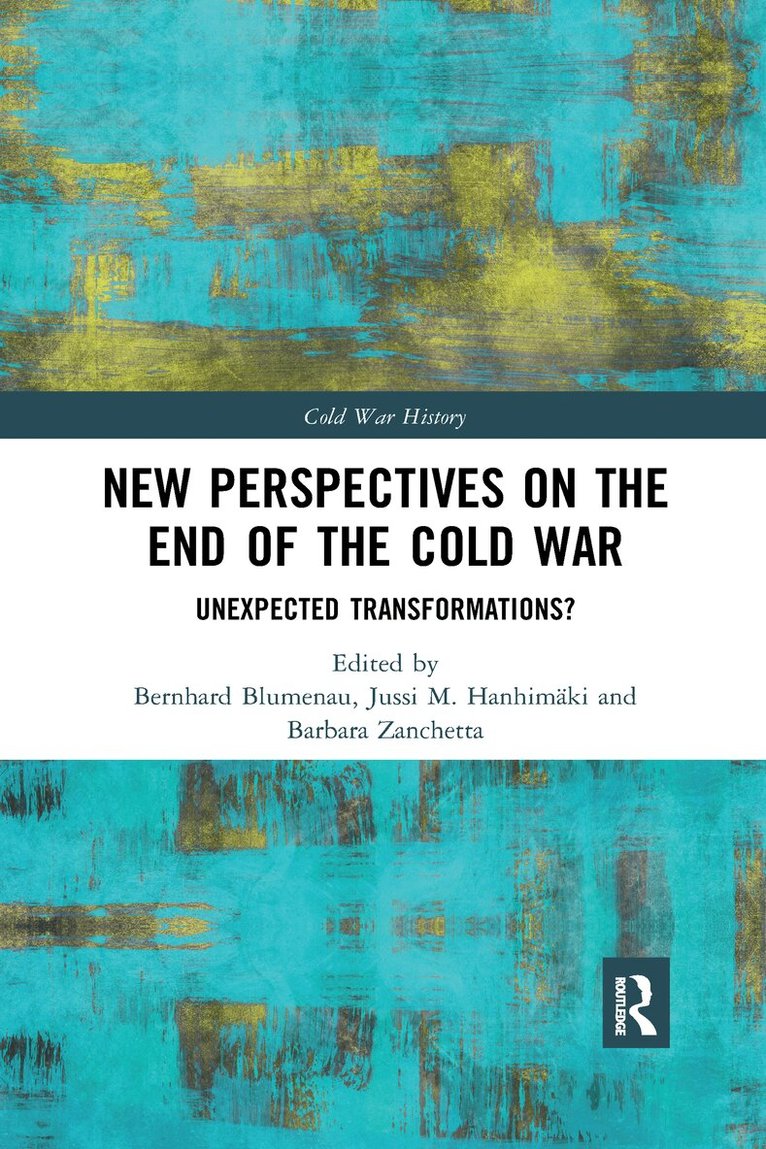
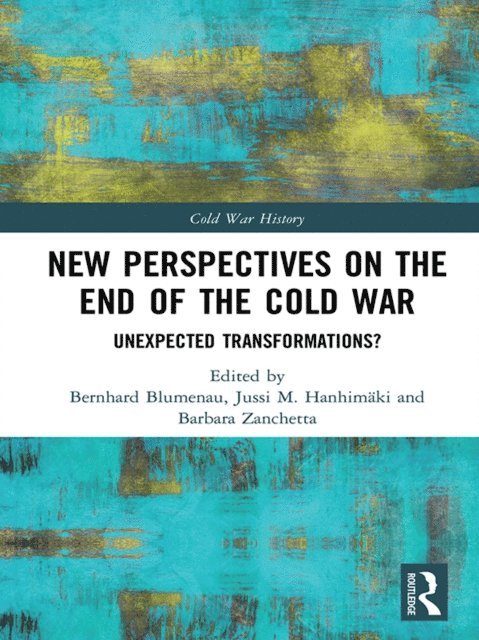
New Perspectives on the End of the Cold War
Unexpected Transformations?
Av Bernhard Blumenau, Jussi M. Hanhimäki m. fl.
Häftad, 2020
710 kr
Lägg i varukorg
This collection of essays makes a significant contribution to the historiography of the end of the Cold War. Research on the causes and consequences of the end of the Cold War is constantly growing. Initially, it was dominated by fairly simplistic, and often politically motivated, debates revolving …
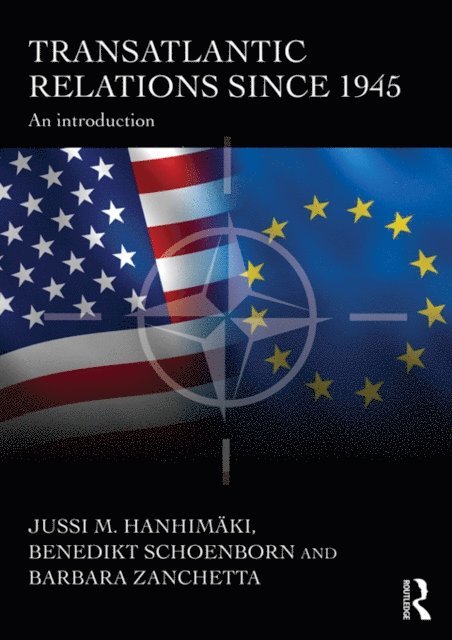
Transatlantic Relations since 1945
An Introduction
Av Jussi Hanhimaki, Barbara Zanchetta m. fl.
Inbunden, 2012
2831 kr
Lägg i varukorg
Transatlantic Relations Since 1945 offers a comprehensive account of transatlantic relations in the second half of the 20th century (extending to the present-day).The transatlantic relationship has been the bedrock of international relations since the end of World War II. This new textbook will …
Transatlantic Relations since 1945
An Introduction
Av Jussi Hanhimaki, Barbara Zanchetta m. fl.
Häftad, 2012
818 kr
Lägg i varukorg
Transatlantic Relations Since 1945 offers a comprehensive account of transatlantic relations in the second half of the 20th century (extending to the present-day).The transatlantic relationship has been the bedrock of international relations since the end of World War II. This new textbook will …
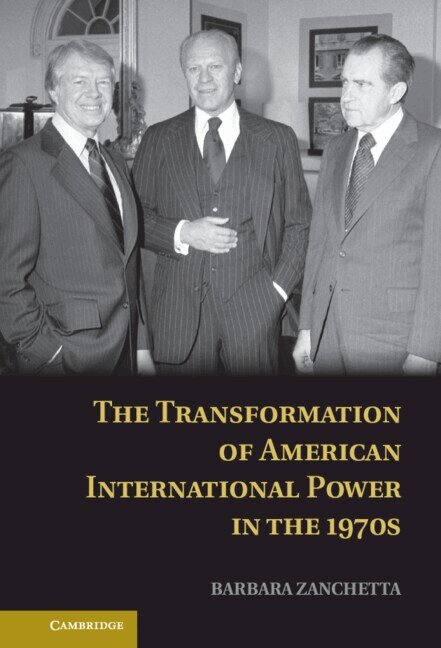
The Transformation of American International Power in the 1970s
Inbunden, 2013
1139 kr
Lägg i varukorg
Barbara Zanchetta analyzes the evolution of American-Soviet relations during the 1970s, from the rise of détente during the Nixon administration to the policy's crisis and fall during the final years of the Carter presidency. This study traces lines of continuity among the Nixon, Ford and Carter …
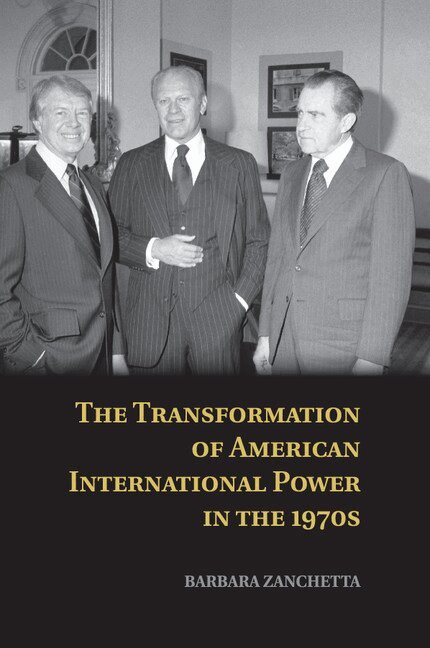
The Transformation of American International Power in the 1970s
Häftad, 2015
653 kr
Lägg i varukorg
Barbara Zanchetta analyzes the evolution of American-Soviet relations during the 1970s, from the rise of détente during the Nixon administration to the policy's crisis and fall during the final years of the Carter presidency. This study traces lines of continuity among the Nixon, Ford and Carter …
Transatlantic Relations since 1945
An Introduction
Av Benedikt Schoenborn, Barbara Zanchetta m. fl.
E-bok, 2012
856 kr
Lägg i varukorg
Transatlantic Relations Since 1945 offers a comprehensive account of transatlantic relations in the second half of the 20th century (extending to the present-day). The transatlantic relationship has been the bedrock of international relations since the end of World War II. This new textbook will …
Transatlantic Relations since 1945
An Introduction
Av Benedikt Schoenborn, Barbara Zanchetta m. fl.
E-bok, 2012
856 kr
Lägg i varukorg
Transatlantic Relations Since 1945 offers a comprehensive account of transatlantic relations in the second half of the 20th century (extending to the present-day). The transatlantic relationship has been the bedrock of international relations since the end of World War II. This new textbook will …
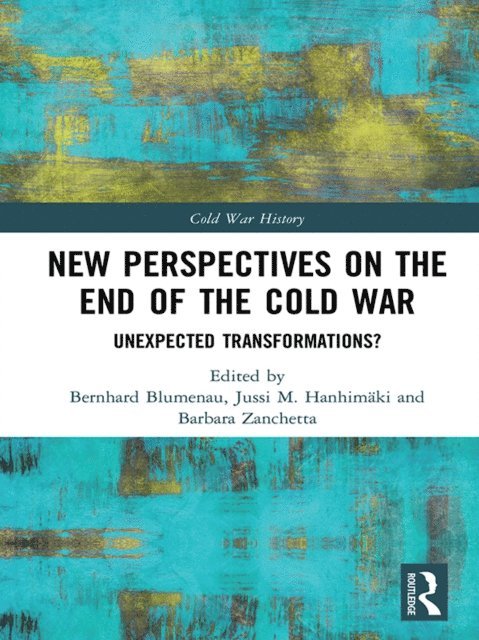
New Perspectives on the End of the Cold War
Unexpected Transformations?
Av Bernhard Blumenau, Jussi M. Hanhimäki m. fl.
Inbunden, 2018
2590 kr
Lägg i varukorg
This collection of essays makes a significant contribution to the historiography of the end of the Cold War. Research on the causes and consequences of the end of the Cold War is constantly growing. Initially, it was dominated by fairly simplistic, and often politically motivated, debates revolving …
New Perspectives on the End of the Cold War
Unexpected Transformations?
Av Barbara Zanchetta, Jussi M. Hanhimaki m. fl.
E-bok, 2018
838 kr
Lägg i varukorg
This collection of essays makes a significant contribution to the historiography of the end of the Cold War. Research on the causes and consequences of the end of the Cold War is constantly growing. Initially, it was dominated by fairly simplistic, and often politically motivated, debates revolving …
New Perspectives on the End of the Cold War
Unexpected Transformations?
Av Barbara Zanchetta, Jussi M. Hanhimaki m. fl.
E-bok, 2018
838 kr
Lägg i varukorg
This collection of essays makes a significant contribution to the historiography of the end of the Cold War. Research on the causes and consequences of the end of the Cold War is constantly growing. Initially, it was dominated by fairly simplistic, and often politically motivated, debates revolving …