985 kr
Skickas inom 10-15 vardagar
985 kr
Skickas inom 10-15 vardagar
3 072 kr
Skickas inom 10-15 vardagar
1 021 kr
Läs direkt efter köp
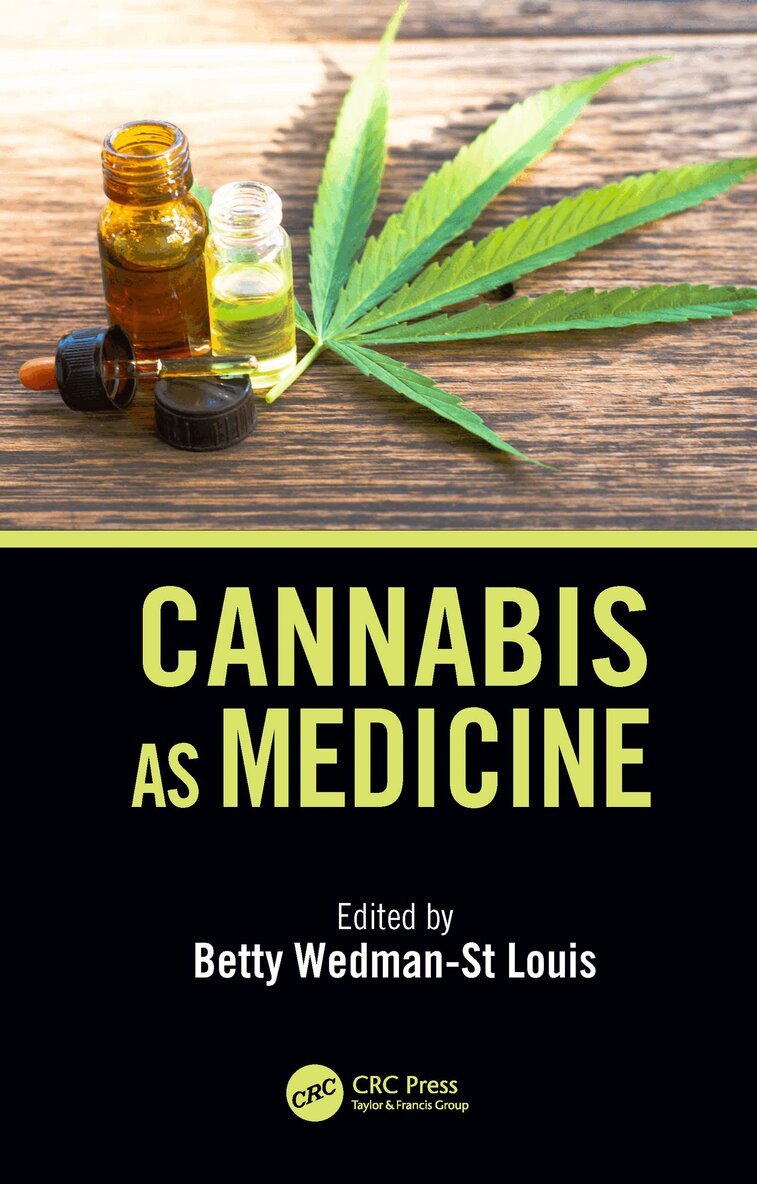
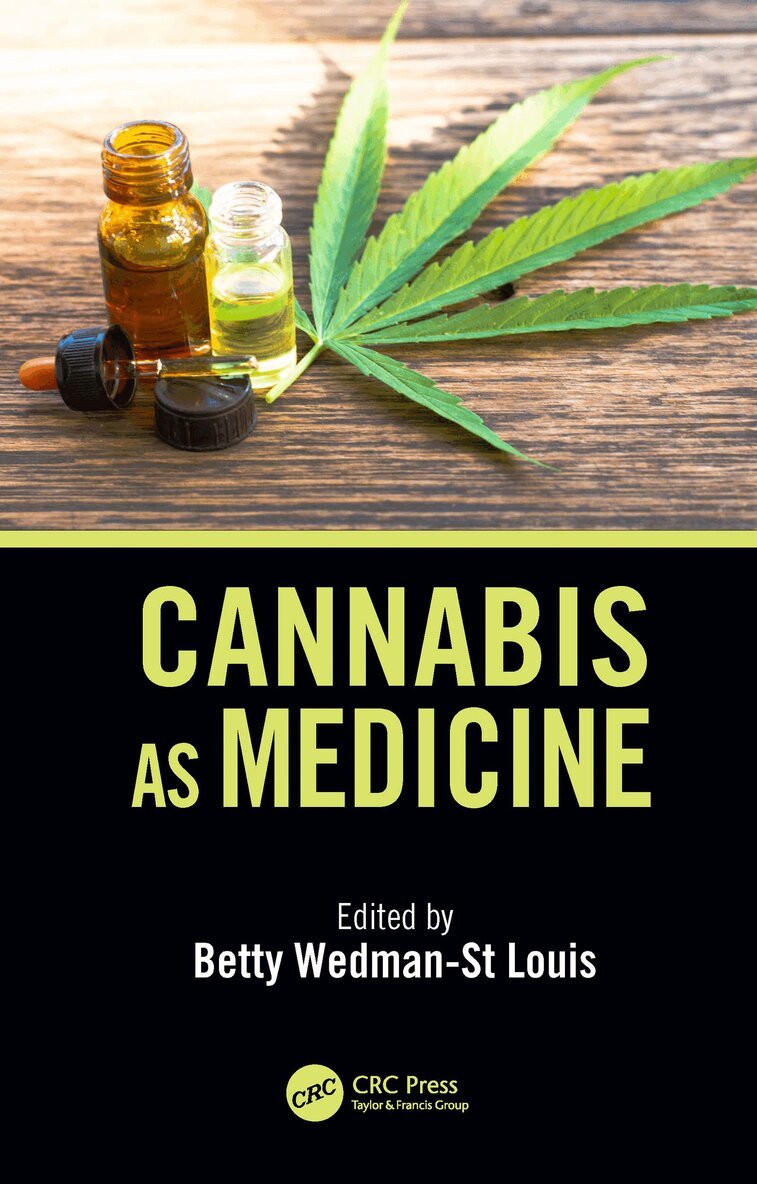
For hundreds of years cannabis has been used as a therapeutic medicine around the world. Cannabis was an accepted medicine during the second half of the 19th century, but its use declined because single agent pain medications were advocated by physicians who demanded standardization of medicines. It was not until 1964 when the chemical structure of THC (delta 9-tetrahydrocannabinol) was elucidated and its pharmacological effects began to be understood.
Numerous therapeutic effects of cannabis have been reviewed, but cannabis-based medicines are still an enigma because of legal issues. Many patients could benefit from cannabinoids, terpenoids and flavonoids found in Cannabis sativa L. These patients suffer from medical conditions including chronic pain, chronic inflammatory diseases, neurological disorders, and other debilitating illnesses.
As more states are legalizing medical cannabis, prescribers need a reliable source which provides clinical information in a succinct format. This book focuses on the science of cannabis as an antioxidant and anti-inflammatory supplement. It discusses cannabis uses in the human body for bone health/osteoporosis; brain injury and trauma; cancer; diabetes; gastrointestinal conditions; mental health disorders; insomnia; pain; anxiety disorders; depression; migraines; eye disorders; and arthritis and inflammation. There is emphasis on using the whole plant — from root to raw leaves and flowers discussing strains, extraction and analysis, and use of cannabis-infused edibles.
Features:
Provides an understanding of the botanical and biochemistry behind cannabis as well as its use as a dietary supplement.
Discusses endocannabinoid system and cannabinoid receptors.
Includes information on antioxidant benefits, pain receptors using cannabinoids, and dosage guidelines.
Presents research on cannabis treatment plans, drug-cannabis interactions and dosing issues, cannabis vapes, edibles, creams, and suppositories.
Multiple appendices including a glossary of cannabis vocabulary, how to use cannabis products, a patient guide and recipes as well as information on cannabis for pets.
1 064 kr
Läs direkt efter köp
For hundreds of years cannabis has been used as a therapeutic medicine around the world. Cannabis was an accepted medicine during the second half of the 19th century, but its use declined because single agent pain medications were advocated by physicians who demanded standardization of medicines. It was not until 1964 when the chemical structure of THC (delta 9-tetrahydrocannabinol) was elucidated and its pharmacological effects began to be understood.
Numerous therapeutic effects of cannabis have been reviewed, but cannabis-based medicines are still an enigma because of legal issues. Many patients could benefit from cannabinoids, terpenoids and flavonoids found in Cannabis sativa L. These patients suffer from medical conditions including chronic pain, chronic inflammatory diseases, neurological disorders, and other debilitating illnesses.
As more states are legalizing medical cannabis, prescribers need a reliable source which provides clinical information in a succinct format. This book focuses on the science of cannabis as an antioxidant and anti-inflammatory supplement. It discusses cannabis uses in the human body for bone health/osteoporosis; brain injury and trauma; cancer; diabetes; gastrointestinal conditions; mental health disorders; insomnia; pain; anxiety disorders; depression; migraines; eye disorders; and arthritis and inflammation. There is emphasis on using the whole plant — from root to raw leaves and flowers discussing strains, extraction and analysis, and use of cannabis-infused edibles.
Features:
Provides an understanding of the botanical and biochemistry behind cannabis as well as its use as a dietary supplement.
Discusses endocannabinoid system and cannabinoid receptors.
Includes information on antioxidant benefits, pain receptors using cannabinoids, and dosage guidelines.
Presents research on cannabis treatment plans, drug-cannabis interactions and dosing issues, cannabis vapes, edibles, creams, and suppositories.
Multiple appendices including a glossary of cannabis vocabulary, how to use cannabis products, a patient guide and recipes as well as information on cannabis for pets.
1 159 kr
Skickas inom 10-15 vardagar
2 704 kr
Skickas inom 10-15 vardagar
1 219 kr
Läs direkt efter köp
Cannabis is one of the oldest cultivated plants dating back 12,000 years and demonstrates medicinal properties including immune support, anti-inflammatory effects, and cancer-fighting potential. As cannabis receives regulatory approval in the United States, clinicians will need guidelines to prescribe medical marijuana for various health conditions. This book presents information to healthcare professionals focusing on medical cannabis. It is a science-based overview providing clinical recommendations and dosing guidelines for practitioners to advise patients appropriately.
Features:
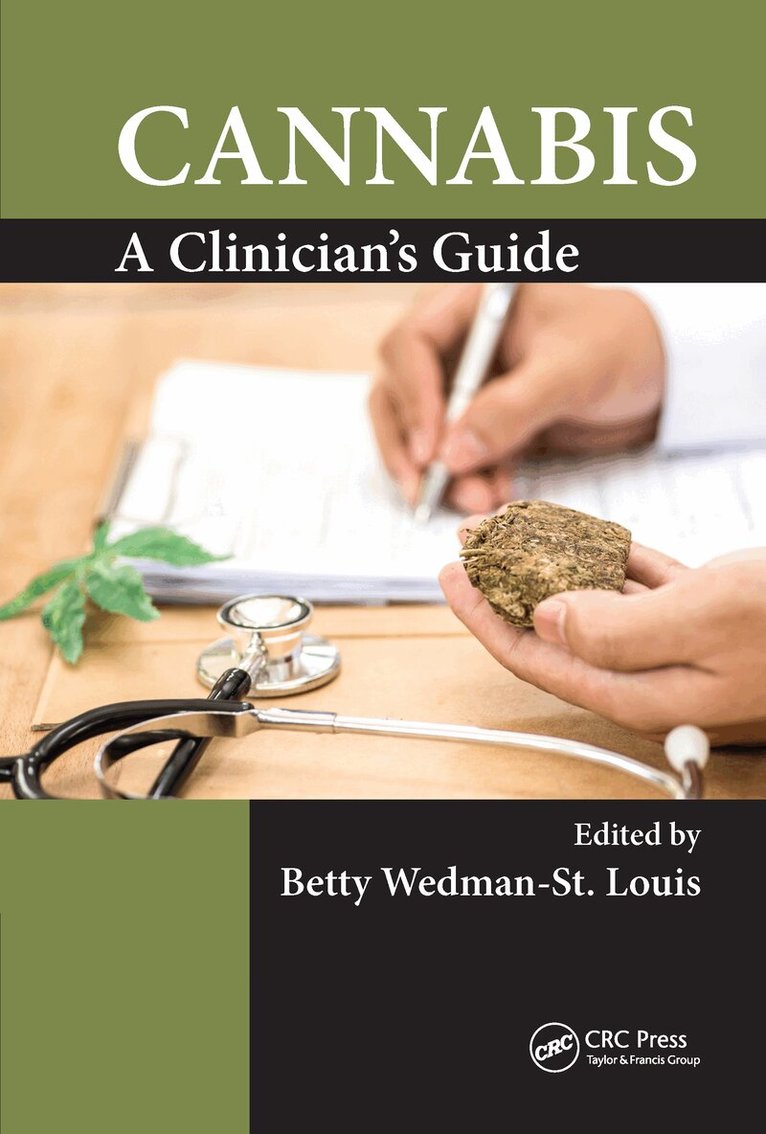
Discusses the endocannabinoid system role in homeostasis, pain control, and regulatory function in health and disease Advises clinicians on cannabis use in patients with cancer; cardiovascular, brain, and liver function; mood disorders; and patients receiving palliative care Includes information on cannabis nutrition as well as the cannabis microbiome Features information on cannabis quality control for safe and effective deliveryCannabis: A Clinician’s Guide is written for clinicians providing a resource guide to help them assess the medicinal value of cannabis, answer patient and consumer questions, and recommend its use optimally. The book is divided into three sections covering cannabis science, use in clinical practice, and regulations and standards. It includes practical information on dosing guidelines and dispensary insights, personal cannabis stories, and an in depth look at the nutritional benefits of cannabis and how to use it in daily life.
From the Author: "As a clinical nutritionist, I have been involved in the use of cannabis since 1981 while researching diabetes in India. Ayurvedic medicine listed cannabis as a beneficial herb with curing properties. In 1983, a Chinese medicine doctor in the Peoples Republic of China gave me a cannabis herbal supplement for sleep that he claimed Chairman Mao took regularly. Upon returning to the United States, no one would even talk to me about cannabis because of its Schedule I status. During an Antioxidants class taught for Everglades University, I included information on cannabis, but was restricted from including it in the course description. Cannabis: A Clinician’s Guide unveils deceit on this herbal medicine used for thousands of years providing insight into the science behind its use and how to incorporate cannabis into daily life, especially for those suffering from neurological disorders, cancer, and mood disorders."
1 222 kr
Läs direkt efter köp
Cannabis is one of the oldest cultivated plants dating back 12,000 years and demonstrates medicinal properties including immune support, anti-inflammatory effects, and cancer-fighting potential. As cannabis receives regulatory approval in the United States, clinicians will need guidelines to prescribe medical marijuana for various health conditions. This book presents information to healthcare professionals focusing on medical cannabis. It is a science-based overview providing clinical recommendations and dosing guidelines for practitioners to advise patients appropriately.
Features:
Discusses the endocannabinoid system role in homeostasis, pain control, and regulatory function in health and disease Advises clinicians on cannabis use in patients with cancer; cardiovascular, brain, and liver function; mood disorders; and patients receiving palliative care Includes information on cannabis nutrition as well as the cannabis microbiome Features information on cannabis quality control for safe and effective deliveryCannabis: A Clinician’s Guide is written for clinicians providing a resource guide to help them assess the medicinal value of cannabis, answer patient and consumer questions, and recommend its use optimally. The book is divided into three sections covering cannabis science, use in clinical practice, and regulations and standards. It includes practical information on dosing guidelines and dispensary insights, personal cannabis stories, and an in depth look at the nutritional benefits of cannabis and how to use it in daily life.
From the Author: "As a clinical nutritionist, I have been involved in the use of cannabis since 1981 while researching diabetes in India. Ayurvedic medicine listed cannabis as a beneficial herb with curing properties. In 1983, a Chinese medicine doctor in the Peoples Republic of China gave me a cannabis herbal supplement for sleep that he claimed Chairman Mao took regularly. Upon returning to the United States, no one would even talk to me about cannabis because of its Schedule I status. During an Antioxidants class taught for Everglades University, I included information on cannabis, but was restricted from including it in the course description. Cannabis: A Clinician’s Guide unveils deceit on this herbal medicine used for thousands of years providing insight into the science behind its use and how to incorporate cannabis into daily life, especially for those suffering from neurological disorders, cancer, and mood disorders."