Bianca P. Acevedo – författare
1 386 kr
Skickas inom 10-15 vardagar
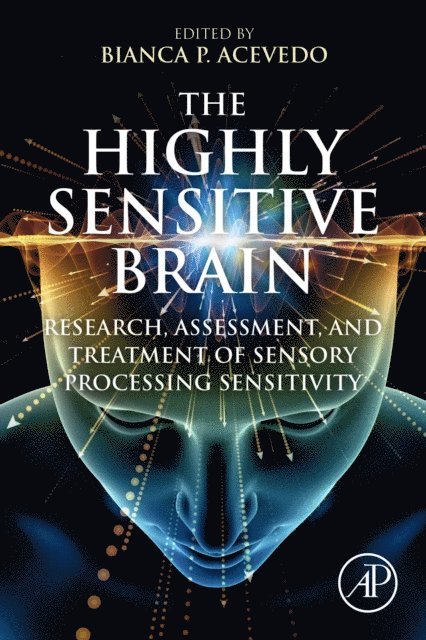
The Highly Sensitive Brain is the first handbook to cover the science, measurement, and clinical discussion of sensory processing sensitivity (SPS), a trait associated with enhanced responsivity, awareness, depth-of-processing and attunement to the environment and other individuals. Grounded in theoretical models of high sensitivity, this volume discusses the assessment of SPS in children and adults, as well as its health and social outcomes. This edition also synthesizes up-to-date research on the biological mechanisms associated with high sensitivity, such as its neural and genetic basis. It also discusses clinical issues related�to SPS and seemingly-related disorders such as misophonia, a hyper-sensitivity to specific sounds. In addition, to practical assessment of SPS embedded throughout this volume is discussion of the biological basis of SPS, exploring why this trait exists and persists in humansand other species.
The Highly Sensitive Brain is a useful handbook and may be of special interest to clinicians, physicians, health-care workers, educators, and researchers.
Presents a neurobiological perspective of sensory processing sensitivity (SPS) Provides assessment criteria and measurement tools for highly sensitive children and adults Discusses the health and social outcomes of being highly sensitive in children and adults Examines clinical issues related to high sensitivity Offers practical applications and a future vision for integrating high sensitivity in our society1 431 kr
Skickas inom 10-15 vardagar
The Science and Art of Sensory Processing Sensitivity provides an up-to-date and novel scientific perspective on the biologically based Sensory Processing Sensitivity (SPS) trait- which is associated with enhanced awareness, depth of cognitive processing, and heightened responsivity to the environment and other individuals. This second volume by B.P. Acevedo, following “The Highly Sensitive Brain,” takes a scientific perspective on its exploration of SPS, but adds to the existing body of literature on high sensitivity by including an enhanced discussion on the proposed mechanisms linking it with depression, anxiety, and burnout.In addition, this second volume explores SPS’ relationship to other relevant personality traits, such as the Big Five, creativity, and sensation seeking; and sheds light on how their varying combinations give rise to different outcomes for highly sensitive persons (HSPs). A unique contribution of this volume is its detailed examination of the role of culture, gender, biology, aging, and the environment (including the workplace) on the expression (or repression) of high sensitivity.Also, unlike previous books, this volume takes a broad perspective on outcomes related to being highly sensitive to shine a light on the non-trivial issue plaguing many HSPs: diminished quality of life, happiness, and well-being. As such, a major contribution of the second volume on the science of SPS, is its extensive description of scientifically-based techniques that might improve the quality of life for those with high SPS.
Thus, this volume may appeal to a wide audience, including both HSPs and those in their social network (friends, partners, physicians, parents, educators, and clinicians) who wish to better understand SPS, those with the trait, and how to enhance well-being among the highly sensitive.
Describes the mechanisms and neurobiology underlying sensory processing sensitivityDistinguishes SPS from seemingly related disorders including depression, burn-out, and neuroticism, and proposes solutionsUniquely explores variations in SPS and its association with different combinations of personality traits (extraversion, sensation-seeking, creativity, openness, and neuroticism), with related outcomesDescribes techniques based in recent scientific advances to improve quality of life for individuals with SPSFeatures implications of SPS in the workforce, education, and personal relationships; and explores the impact of gender, culture, and aging on the expression of SPS