Brian K. Landsberg – författare
Visar alla böcker från författaren . Handla med fri frakt och snabb leverans.
6 produkter
6 produkter
Inbunden, Engelska, 1997
567 kr
Skickas inom 10-15 vardagar
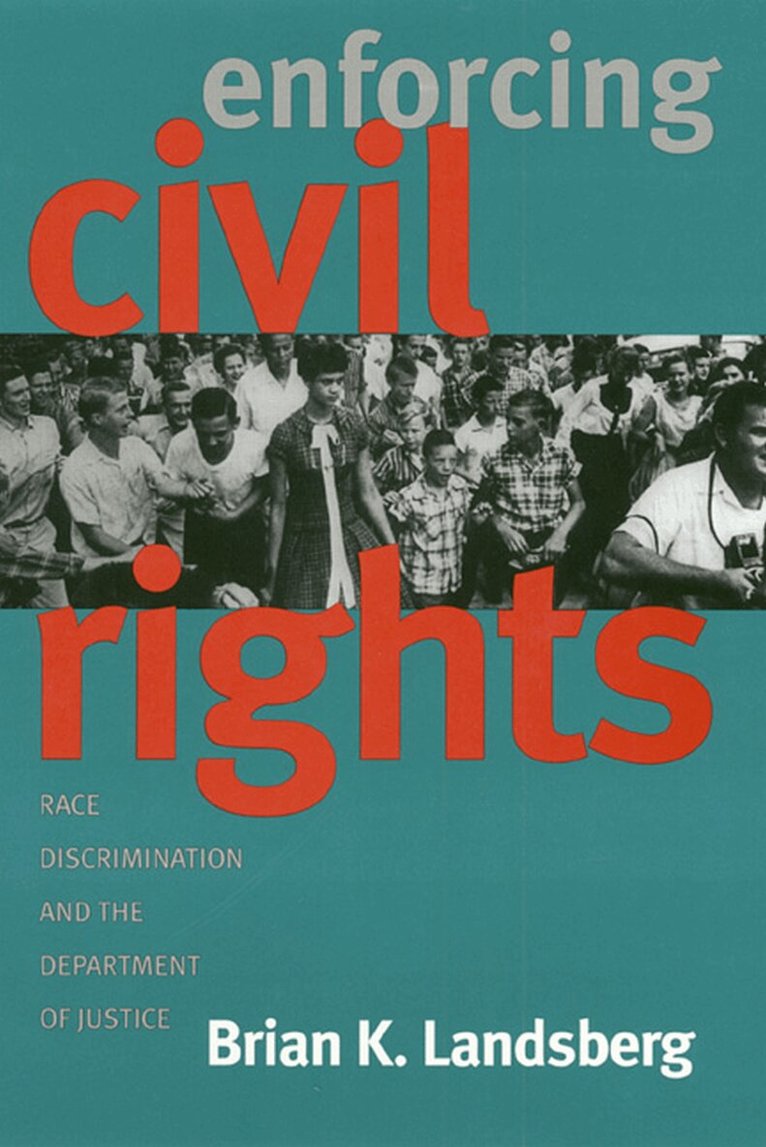
An overview of civil rights enforcement which reveals the political realities and national priorities that shaped it; the moral, practical, and political forces that have influenced it; and the roles of the federal government, executive branch, and Attorney General in implementing it.
Inbunden, Engelska, 2007
633 kr
Skickas
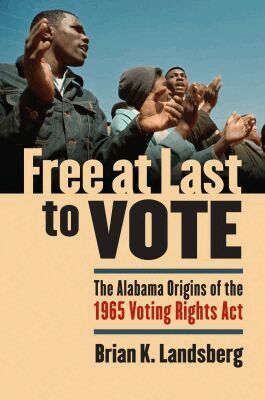
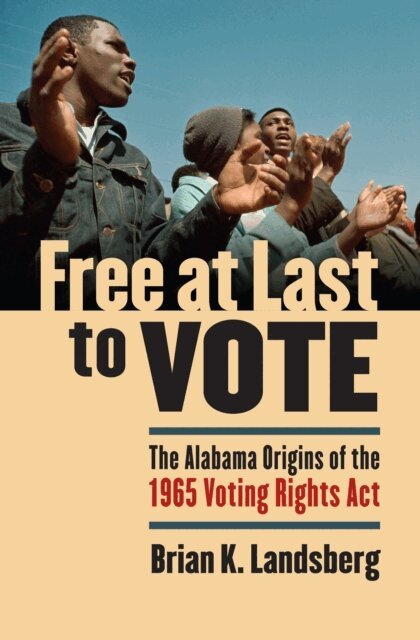
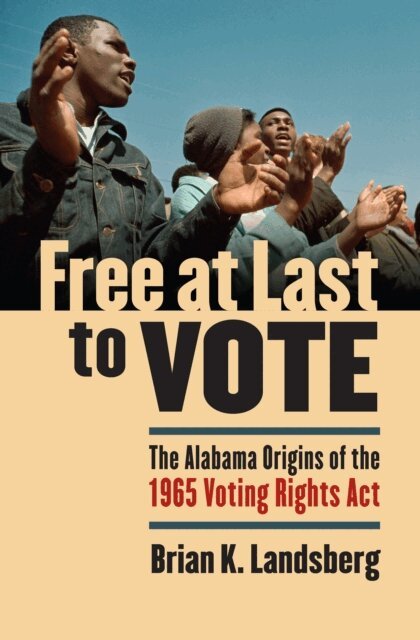
Although the heroism of last century's freedom marches will long be credited for ending racial discrimination, civil rights legislation owes much to work done more quietly in the district courtrooms of the South. This book expands our understanding of how the Voting Rights Act came about by focusing on several key cases in Alabama that paved the way for this landmark legislation. Brian Landsberg - himself a participant in many of these trials - argues that Department of Justice litigation contributed significantly to the content of the landmark 1965 Voting Rights Act. His close analysis of these trials shows how they helped pave the way for the dramatic expansion of federal power in combating racist enforcement of voting laws. Focusing on three out of the seventy voting rights cases filed between 1957 and 1965, he reveals how the DOJ, newly armed with authority to bring civil suits against voting discrimination, aggressively pursued its efforts to enforce the Reconstruction Amendments. These cases in Elmore, Sumter, and Perry counties helped to expose the chasm between the objectives of the Fifteenth Amendment and the practices of southern voter registrars - and the equally deep chasm between practices in the Deep South and those in the rest of the country. The VRA adopted many of the stringent remedies that emerged from these trials, including the appointment of federal officials to observe elections and maintain lists of eligible voters and the need for federal approval for changes in local voting procedures. Landsberg highlights a long-neglected but vitally important chapter in the history of the civil rights movement and puts a human face on the struggle for the right to vote, enhancing our understanding of the efforts blacks made to register, the doubts of even moderate whites, and the role of federal agents in protecting voter rights. His study is especially welcome in light of the controversy surrounding the VRA's recent renewal in 2006, which caught glimpses of the pre-VRA South, and current concerns over new and emerging forms of disenfranchisement.
Inbunden, Engelska, 2022
625 kr
Skickas inom 5-8 vardagar
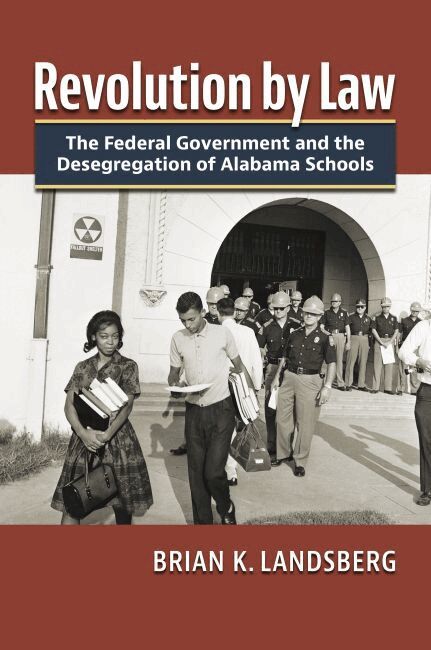
The landmark Brown v. Board of Education case was the start of a long period of desegregation, but Brown did not give a roadmap for how to achieve this lofty goal—it only provided the destination. In the years that followed, the path toward the fulfillment of this vision for school integration was worked out in the courts through the efforts of the NAACP Legal Defense organization and the Civil Rights Division of the US Department of Justice. One of the major cases on this path was Lee v. Macon County Board of Education (1967).Revolution by Law traces the growth of Lee v. Macon County from a case to desegregate a single school district in rural Alabama to a decision that paved the way for ending state-imposed racial segregation of the schools in the Deep South. Author Brian Landsberg began his career as a young attorney working for the Civil Rights Division of the DOJ in 1964, the year after the lawsuit that would lead to the Lee decision was filed.As someone personally involved in the legal struggle for civil rights, Landsberg writes with first-hand knowledge of the case. His carefully researched study of this important case argues that private plaintiffs, the executive branch, the federal courts, and eventually Congress each played important roles in transforming the South from the most segregated to the least segregated region of the United States. The Lee case played a central role in dismantling Alabama's official racial caste system, and the decision became the model both for other statewide school desegregation cases and for cases challenging conditions in prisons and institutions for mentally ill people. Revolution by Law gives readers a deep understanding of the methods used by the federal government to desegregate the schools of the Deep South.
805 kr
Läs direkt efter köp
The landmark Brown v. Board of Education case was the start of a long period of desegregation, but Brown did not give a roadmap for how to achieve this lofty goal—it only provided the destination. In the years that followed, the path toward the fulfillment of this vision for school integration was worked out in the courts through the efforts of the NAACP Legal Defense organization and the Civil Rights Division of the US Department of Justice. One of the major cases on this path was Lee v. Macon County Board of Education (1967).Revolution by Law traces the growth of Lee v. Macon County from a case to desegregate a single school district in rural Alabama to a decision that paved the way for ending state-imposed racial segregation of the schools in the Deep South. Author Brian Landsberg began his career as a young attorney working for the Civil Rights Division of the DOJ in 1964, the year after the lawsuit that would lead to the Lee decision was filed.As someone personally involved in the legal struggle for civil rights, Landsberg writes with first-hand knowledge of the case. His carefully researched study of this important case argues that private plaintiffs, the executive branch, the federal courts, and eventually Congress each played important roles in transforming the South from the most segregated to the least segregated region of the United States. The Lee case played a central role in dismantling Alabama''s official racial caste system, and the decision became the model both for other statewide school desegregation cases and for cases challenging conditions in prisons and institutions for mentally ill people. Revolution by Law gives readers a deep understanding of the methods used by the federal government to desegregate the schools of the Deep South.
E-bok
Engelska, 2007280 kr
Läs direkt efter köp
Although the heroism of last centurys freedom marches will long be credited for ending racial discrimination, civil rights legislation owes much to work done more quietly in the district courtrooms of the South. This book expands our understanding of how the Voting Rights Act came about by focusing on several key cases in Alabama that paved the way for this landmark legislation.Brian Landsberghimself a participant in many of these trialsargues that Department of Justice litigation contributed significantly to the content of the landmark 1965 Voting Rights Act. His close analysis of these trials shows how they helped pave the way for the dramatic expansion of federal power in combating racist enforcement of voting laws. Focusing on three out of the seventy voting rights cases filed between 1957 and 1965, he reveals how the DOJ, newly armed with authority to bring civil suits against voting discrimination, aggressively pursued its efforts to enforce the Reconstruction Amendments.These cases in Elmore, Sumter, and Perry counties helped to expose the chasm between the objectives of the Fifteenth Amendment and the practices of southern voter registrarsand the equally deep chasm between practices in the Deep South and those in the rest of the countryby showing that a simple requirement of racial neutrality wasnt enough to guard against discrimination. The VRA adopted many of the stringent remedies that emerged from these trials, including the appointment of federal officials to observe elections and maintain lists of eligible voters and the need for federal approval for changes in local voting procedures.Landsberg highlights a long-neglected but vitally important chapter in the history of the civil rights movement and puts a human face on the struggle for the right to vote, enhancing our understanding of the efforts blacks made to register, the doubts of even moderate whites, and the role of federal agents in protecting voter rights. His study is especially welcome in light of the controversy surrounding the VRAs recent renewal in 2006, which caught glimpses of the pre-VRA South, and current concerns over new and emerging forms of disenfranchisement.
E-bok
PDF, Engelska, 2007279 kr
Läs direkt efter köp
Although the heroism of last centurys freedom marches will long be credited for ending racial discrimination, civil rights legislation owes much to work done more quietly in the district courtrooms of the South. This book expands our understanding of how the Voting Rights Act came about by focusing on several key cases in Alabama that paved the way for this landmark legislation.Brian Landsberghimself a participant in many of these trialsargues that Department of Justice litigation contributed significantly to the content of the landmark 1965 Voting Rights Act. His close analysis of these trials shows how they helped pave the way for the dramatic expansion of federal power in combating racist enforcement of voting laws. Focusing on three out of the seventy voting rights cases filed between 1957 and 1965, he reveals how the DOJ, newly armed with authority to bring civil suits against voting discrimination, aggressively pursued its efforts to enforce the Reconstruction Amendments.These cases in Elmore, Sumter, and Perry counties helped to expose the chasm between the objectives of the Fifteenth Amendment and the practices of southern voter registrarsand the equally deep chasm between practices in the Deep South and those in the rest of the countryby showing that a simple requirement of racial neutrality wasnt enough to guard against discrimination. The VRA adopted many of the stringent remedies that emerged from these trials, including the appointment of federal officials to observe elections and maintain lists of eligible voters and the need for federal approval for changes in local voting procedures.Landsberg highlights a long-neglected but vitally important chapter in the history of the civil rights movement and puts a human face on the struggle for the right to vote, enhancing our understanding of the efforts blacks made to register, the doubts of even moderate whites, and the role of federal agents in protecting voter rights. His study is especially welcome in light of the controversy surrounding the VRAs recent renewal in 2006, which caught glimpses of the pre-VRA South, and current concerns over new and emerging forms of disenfranchisement.