Brian Masaru Hayashi – författare
Visar alla böcker från författaren Brian Masaru Hayashi. Handla med fri frakt och snabb leverans.
5 produkter
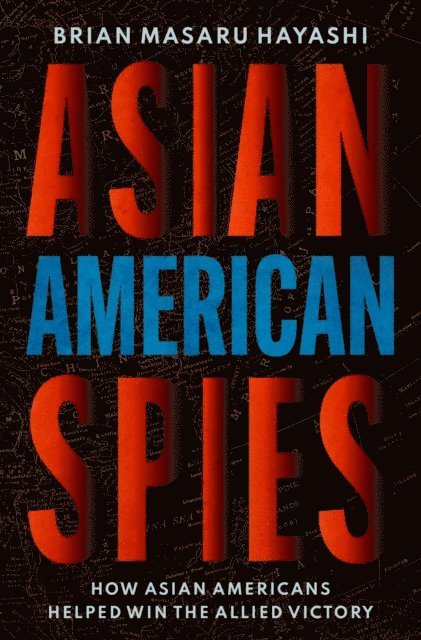
Asian American Spies
How Asian Americans Helped Win the Allied Victory
E-bok, 2021
319 kr
Lägg i varukorg
A recovery of the vital role Chinese, Japanese, and Korean Americans played in US intelligence services in Asia during World War II. Spies deep behind enemy lines; double agents; a Chinese American James Bond; black propaganda radio broadcasters; guerrilla fighters; pirates; smugglers; prostitutes …
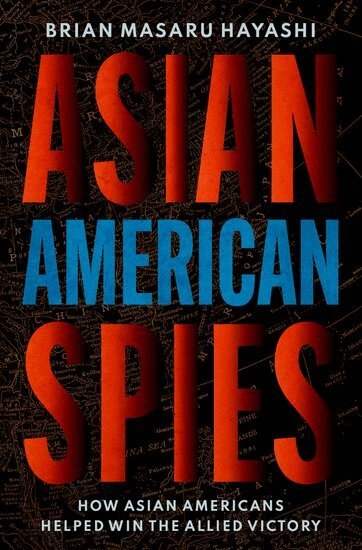
Asian American Spies
How Asian Americans Helped Win the Allied Victory
Inbunden, 2021
432 kr
Lägg i varukorg
A recovery of the vital role Chinese, Japanese, and Korean Americans played in US intelligence services in Asia during World War II.Spies deep behind enemy lines; double agents; a Chinese American James Bond; black propaganda radio broadcasters; guerrilla fighters; pirates; smugglers; prostitutes …
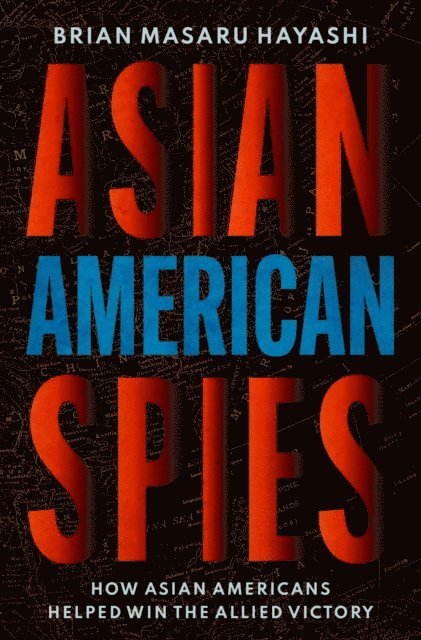
Asian American Spies
How Asian Americans Helped Win the Allied Victory
E-bok, 2021
324 kr
Lägg i varukorg
A recovery of the vital role Chinese, Japanese, and Korean Americans played in US intelligence services in Asia during World War II. Spies deep behind enemy lines; double agents; a Chinese American James Bond; black propaganda radio broadcasters; guerrilla fighters; pirates; smugglers; prostitutes …
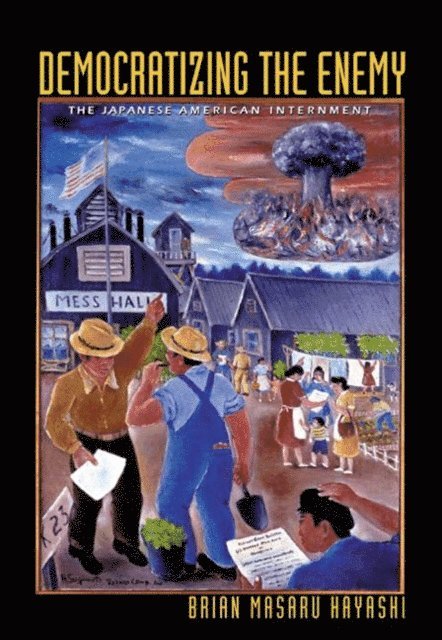
Democratizing the Enemy
The Japanese American Internment
Häftad, 2008
427 kr
Lägg i varukorg
During World War II some 120,000 Japanese Americans were forcibly removed from their homes and detained in concentration camps in several states. These Japanese Americans lost millions of dollars in property and were forced to live in so-called "assembly centers" surrounded by barbed wire fences …
Democratizing the Enemy
The Japanese American Internment
E-bok, 2010
588 kr
Lägg i varukorg
During World War II some 120,000 Japanese Americans were forcibly removed from their homes and detained in concentration camps in several states. These Japanese Americans lost millions of dollars in property and were forced to live in so-called "assembly centers" surrounded by barbed wire fences …