Brian Pinto – författare
Visar alla böcker från författaren Brian Pinto. Handla med fri frakt och snabb leverans.
5 produkter
How Does My Country Grow?
Economic Advice Through Story-Telling
Av Brian Pinto
E-bok, 2014
638 kr
Lägg i varukorg
Written by a former World Bank economist, How Does My Country Grow? distils growth policy lessons from the author''s first-hand experience in Poland, Kenya, India, and Russia, and his contributions to the economic policy debates that followed the emerging market crises of 1997 to 2001, extending up …
How Does My Country Grow?
Economic Advice Through Story-Telling
Av Brian Pinto
Inbunden, 2014
1039 kr
Lägg i varukorg
Written by a former World Bank economist, How Does My Country Grow? distils growth policy lessons from the author's first-hand experience in Poland, Kenya, India, and Russia, and his contributions to the economic policy debates that followed the emerging market crises of 1997 to 2001, extending up …
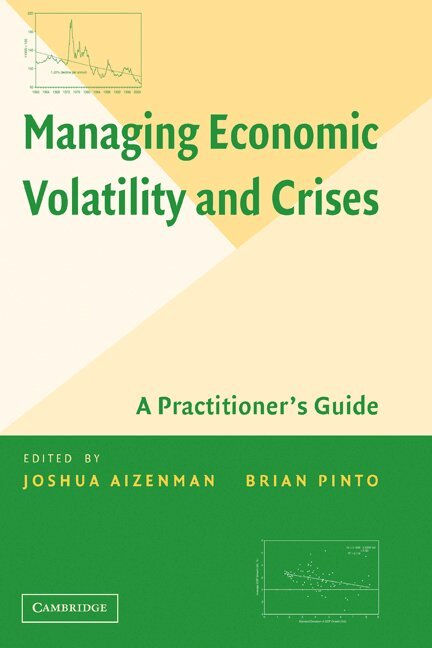
Managing Economic Volatility and Crises
A Practitioner's Guide
Av Joshua Aizenman, Brian Pinto
Häftad, 2011
871 kr
Lägg i varukorg
Economic volatility has come into its own after being treated for decades as a secondary phenomenon in the business cycle literature. This evolution has been driven by the recognition that non-linearities, long buried by the economist's penchant for linearity, magnify the negative effects of …
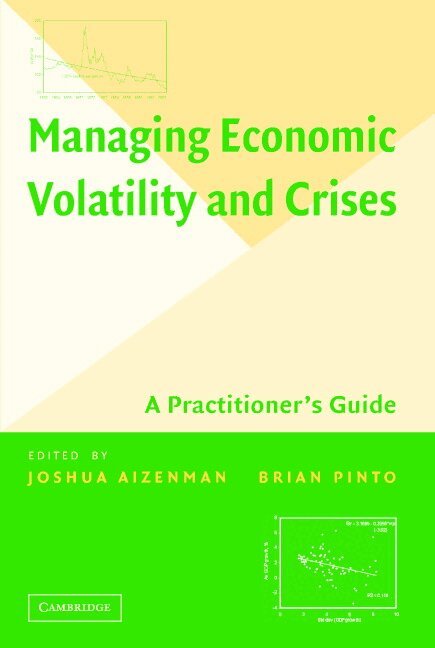
Managing Economic Volatility and Crises
A Practitioner's Guide
Av Joshua Aizenman, Brian Pinto
Inbunden, 2005
2398 kr
Lägg i varukorg
Economic volatility has come into its own after being treated for decades as a secondary phenomenon in the business cycle literature. This evolution has been driven by the recognition that non-linearities, long buried by the economist's penchant for linearity, magnify the negative effects of …