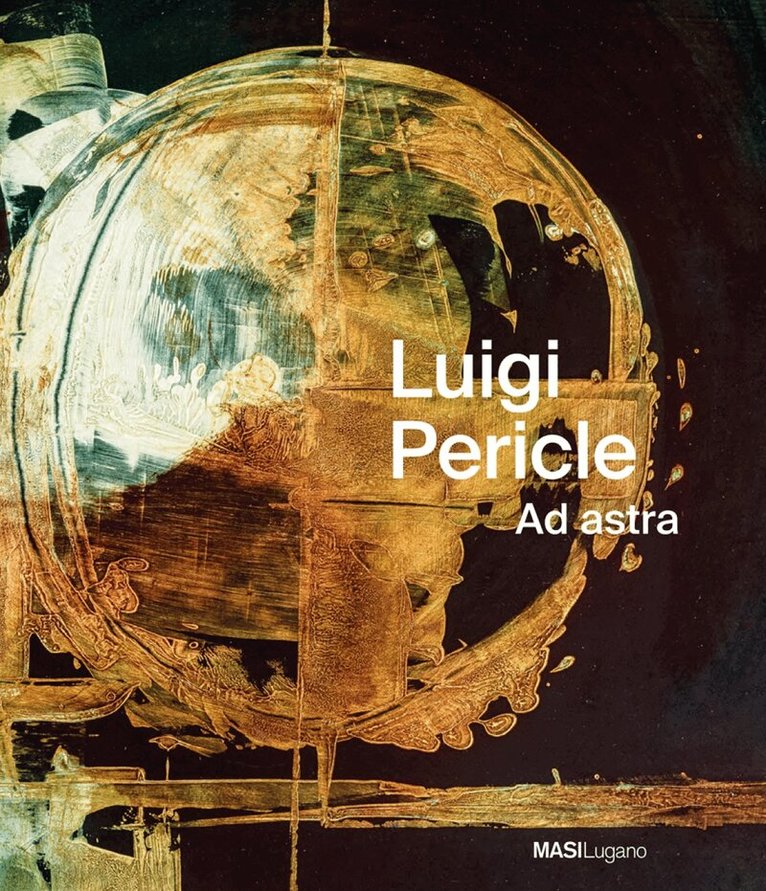
Luigi Pericle (1916–2001) was a rare talent—a self-taught illustrator and painter, a man of letters, mystic, theosophist, and intellectual whose work and legacy eludes any categorization. Under his proper name Pericle Luigi Giovanetti he had great success as an illustrator and cartoonist in the 1950s. His cartoons were published worldwide in daily newspapers, such as the Washington Post or Herald Tribune, as well as in satirical magazines like Punch. His comic strip Max the Marmot, published in newspapers and books, was hugely popular across Europe, the United States, and Japan.In 1958, he turned to explore abstract expression through painting and ink drawing. He quickly gained international recognition as an artist and his paintings were exhibited in gallery and museum shows in Britain and Switzerland during the 1960s. Yet recognition was not what he was looking for, and he disappeared voluntarily from the art world to lead an increasingly secluded life dedicated entirely to his art and writing. His home Casa San Tomaso on the legendary Monte Verità in Ascona, in southern Switzerland, offered ideal surroundings for an artist so strongly drawn to spirituality.Luigi Pericle. Ad Astra, published to coincide with a major exhibition at the MASI Museo d’arte della Svizzera italiana in Lugano, offers a fresh look at how the spiritual environment and tradition of Monte Verità influenced Pericle as an artist and how Asian calligraphy and Zen Buddhism were influential to his drawing practice. Moreover, the book investigates Pericle’s understanding of abstraction in art and his own syncretism of modern mysticism.Text in English, German and Italian.
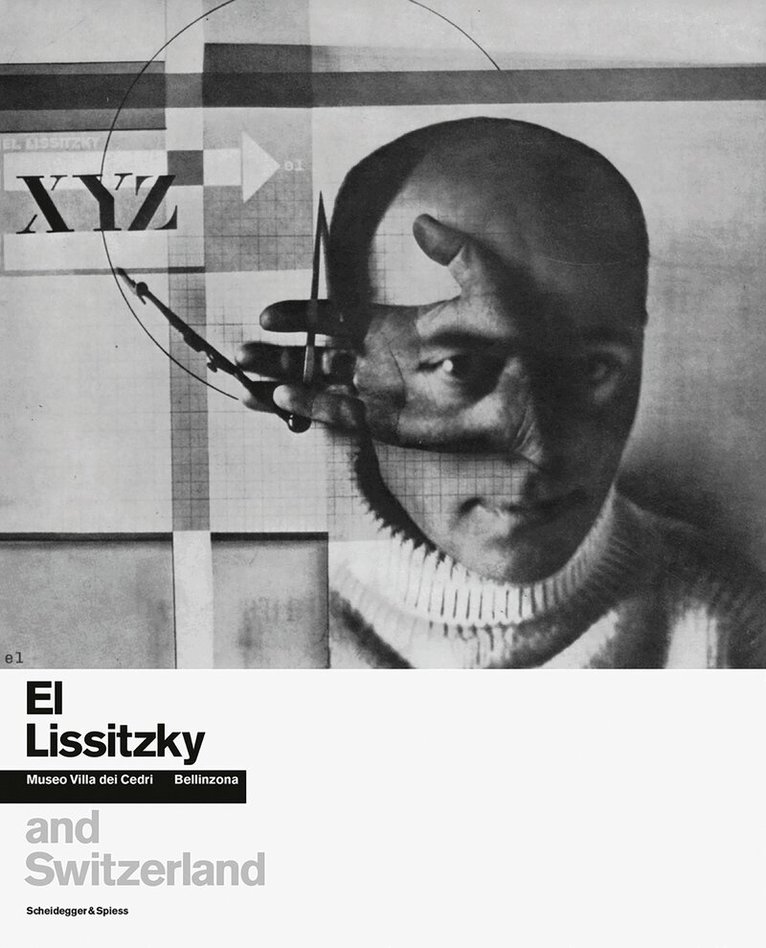
El Lissitzky (1890–1941), one of the most eminent figures of Soviet avant-garde art, had been in contact with the Swiss art scene and its like-minded protagonists since 1919. In 1924–25, he spent several months at a sanatorium in the Swiss canton of Ticino to treat his pulmonary tuberculosis. Despite the illness, he created key works in his oeuvre during this time, spanning fields of architecture, graphic design and typography, and fine art. Together with Jean Arp, he wrote the book Die Kunstismen (“The Artisms”), which was published by a Swiss publishing house in 1925 and became a milestone in the evolution of New Typography and graphic art in Switzerland. He also contributed to the Swiss architecture magazine ABC, Beiträge zum Bauen.A century later, this book takes a fresh look at El Lissitzky from the perspective of his host country at the time, arranged in thematic chapters about architecture, typography, and graphic design, Lissitzky as an artist and theorist, and his relationship to Switzerland. The illustrations bring together for the first time all the important works by the great avant-gardist in the collections of Swiss museums, including parts of a previously unpublished portfolio held at the Musee d’art et d’histoire in Geneva.
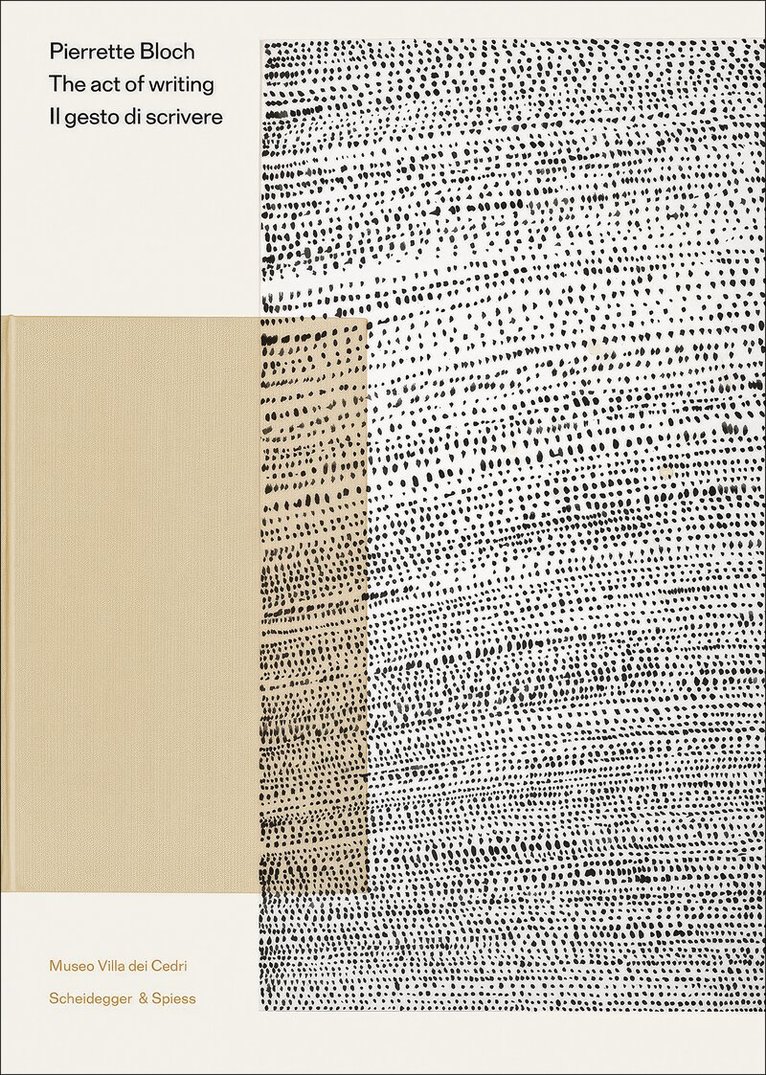
Franco-Swiss artist Pierrette Bloch (1928–2017) is considered one of the leading figures in postwar abstract art. Her artistic language explores the concepts of seriality and the repetition of forms in space, playing with rhythm and orientation, ambivalence of fullness and emptiness, and the contrast of black and white. Bloch questions the relationships between drawing and sculpture, time, and graphic signs. Her ink drawings and horsehair sculptures are connected to the process of writing in its multiple forms.Illustrated with numerous reproductions of her works, Pierrette Bloch: The Act of Writing sheds light on this intertwining of writing and art. The book’s focus on the significance of writing in Bloch’s oeuvre and her engagement with literature reveals the intimacy of her art and the profound influence writing has had on her life. The volume is rounded out with a previously unpublished text by Pierrette Bloch herself.Text in English and Italian.
Luigi Pericle (1916–2001) was a rare talent—a self-taught illustrator and painter, a man of letters, mystic, theosophist, and intellectual whose work and legacy eludes any categorization. Under his proper name Pericle Luigi Giovanetti he had great success as an illustrator and cartoonist in the 1950s. His cartoons were published worldwide in daily newspapers, such as the Washington Post or Herald Tribune, as well as in satirical magazines like Punch. His comic strip Max the Marmot, published in newspapers and books, was hugely popular across Europe, the United States, and Japan.In 1958, he turned to explore abstract expression through painting and ink drawing. He quickly gained international recognition as an artist and his paintings were exhibited in gallery and museum shows in Britain and Switzerland during the 1960s. Yet recognition was not what he was looking for, and he disappeared voluntarily from the art world to lead an increasingly secluded life dedicated entirely to his art and writing. His home Casa San Tomaso on the legendary Monte Verità in Ascona, in southern Switzerland, offered ideal surroundings for an artist so strongly drawn to spirituality.Luigi Pericle. Ad Astra, published to coincide with a major exhibition at the MASI Museo d’arte della Svizzera italiana in Lugano, offers a fresh look at how the spiritual environment and tradition of Monte Verità influenced Pericle as an artist and how Asian calligraphy and Zen Buddhism were influential to his drawing practice. Moreover, the book investigates Pericle’s understanding of abstraction in art and his own syncretism of modern mysticism.Text in English, German and Italian.
El Lissitzky (1890–1941), one of the most eminent figures of Soviet avant-garde art, had been in contact with the Swiss art scene and its like-minded protagonists since 1919. In 1924–25, he spent several months at a sanatorium in the Swiss canton of Ticino to treat his pulmonary tuberculosis. Despite the illness, he created key works in his oeuvre during this time, spanning fields of architecture, graphic design and typography, and fine art. Together with Jean Arp, he wrote the book Die Kunstismen (“The Artisms”), which was published by a Swiss publishing house in 1925 and became a milestone in the evolution of New Typography and graphic art in Switzerland. He also contributed to the Swiss architecture magazine ABC, Beiträge zum Bauen.A century later, this book takes a fresh look at El Lissitzky from the perspective of his host country at the time, arranged in thematic chapters about architecture, typography, and graphic design, Lissitzky as an artist and theorist, and his relationship to Switzerland. The illustrations bring together for the first time all the important works by the great avant-gardist in the collections of Swiss museums, including parts of a previously unpublished portfolio held at the Musee d’art et d’histoire in Geneva.
Franco-Swiss artist Pierrette Bloch (1928–2017) is considered one of the leading figures in postwar abstract art. Her artistic language explores the concepts of seriality and the repetition of forms in space, playing with rhythm and orientation, ambivalence of fullness and emptiness, and the contrast of black and white. Bloch questions the relationships between drawing and sculpture, time, and graphic signs. Her ink drawings and horsehair sculptures are connected to the process of writing in its multiple forms.Illustrated with numerous reproductions of her works, Pierrette Bloch: The Act of Writing sheds light on this intertwining of writing and art. The book’s focus on the significance of writing in Bloch’s oeuvre and her engagement with literature reveals the intimacy of her art and the profound influence writing has had on her life. The volume is rounded out with a previously unpublished text by Pierrette Bloch herself.Text in English and Italian.