Caroline E. Light – författare
Visar alla böcker från författaren Caroline E. Light. Handla med fri frakt och snabb leverans.
3 produkter
3 produkter
Inbunden, Engelska, 2026
2 375 kr
Kommande
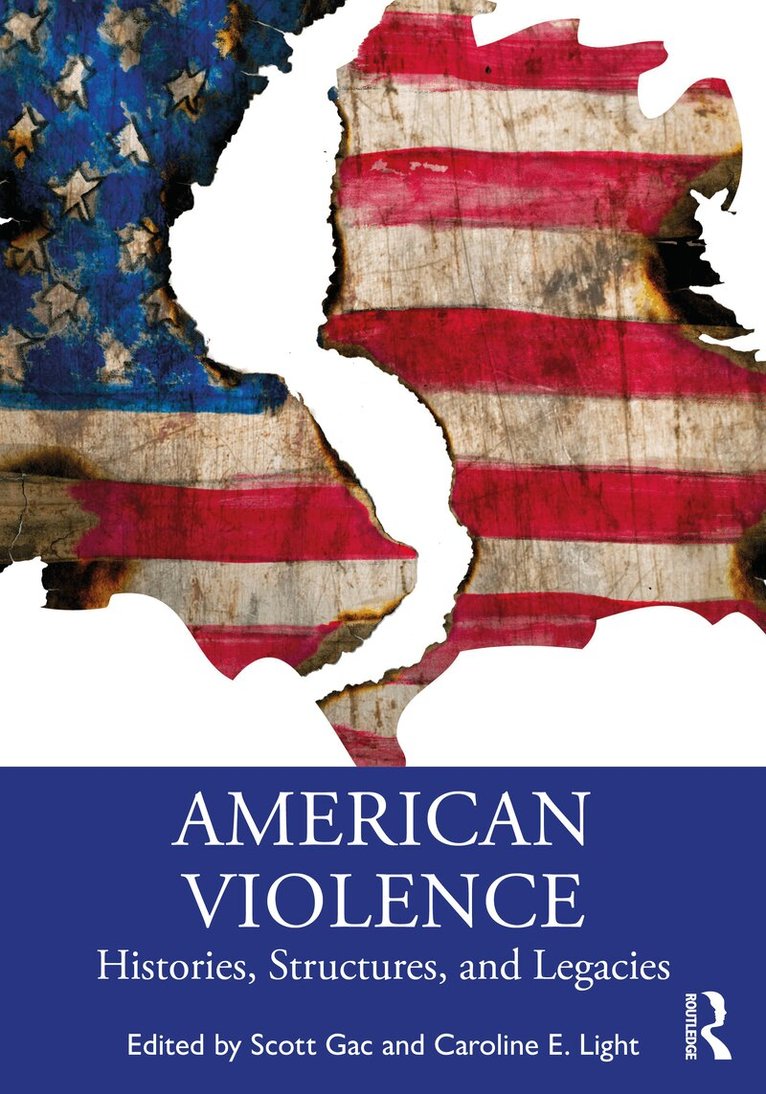
American Violence: Histories, Structures, and Legacies rethinks violence as central rather than exceptional to the history of the United States, from the American Revolution, the Civil War, and the New Industrial Order to the Modern Liberal State.The volume brings together scholars from across history, law, cultural studies, Indigenous studies, Black studies, gender studies, and violence studies. Chapters examine how violence has shaped American state formation, racial hierarchy, legal belonging, public memory, and global power. Subjects range from early American conquest, Indigenous genocide, and Atlantic slavery to lynching, armed citizenship, self-defense, protest policing, border deaths, and wrongful conviction. The volume also includes case studies such as the 1964 “Mississippi Burning” murders and global perspectives on the international consequences of the Second Amendment. Rather than treating different sites and forms of violence as separate histories, the book shows how these harms share institutions, justificatory languages, and enduring afterlives.This important companion will be of interest to students and scholars of History, American Studies, Sociology, Criminology, Gender Studies, Race and Ethnic Studies, African American Studies, and Indigenous Studies.
Häftad, Engelska, 2026
649 kr
Kommande
American Violence: Histories, Structures, and Legacies rethinks violence as central rather than exceptional to the history of the United States, from the American Revolution, the Civil War, and the New Industrial Order to the Modern Liberal State.The volume brings together scholars from across history, law, cultural studies, Indigenous studies, Black studies, gender studies, and violence studies. Chapters examine how violence has shaped American state formation, racial hierarchy, legal belonging, public memory, and global power. Subjects range from early American conquest, Indigenous genocide, and Atlantic slavery to lynching, armed citizenship, self-defense, protest policing, border deaths, and wrongful conviction. The volume also includes case studies such as the 1964 “Mississippi Burning” murders and global perspectives on the international consequences of the Second Amendment. Rather than treating different sites and forms of violence as separate histories, the book shows how these harms share institutions, justificatory languages, and enduring afterlives.This important companion will be of interest to students and scholars of History, American Studies, Sociology, Criminology, Gender Studies, Race and Ethnic Studies, African American Studies, and Indigenous Studies.
Inbunden, Engelska, 2014
636 kr
Skickas inom 10-15 vardagar
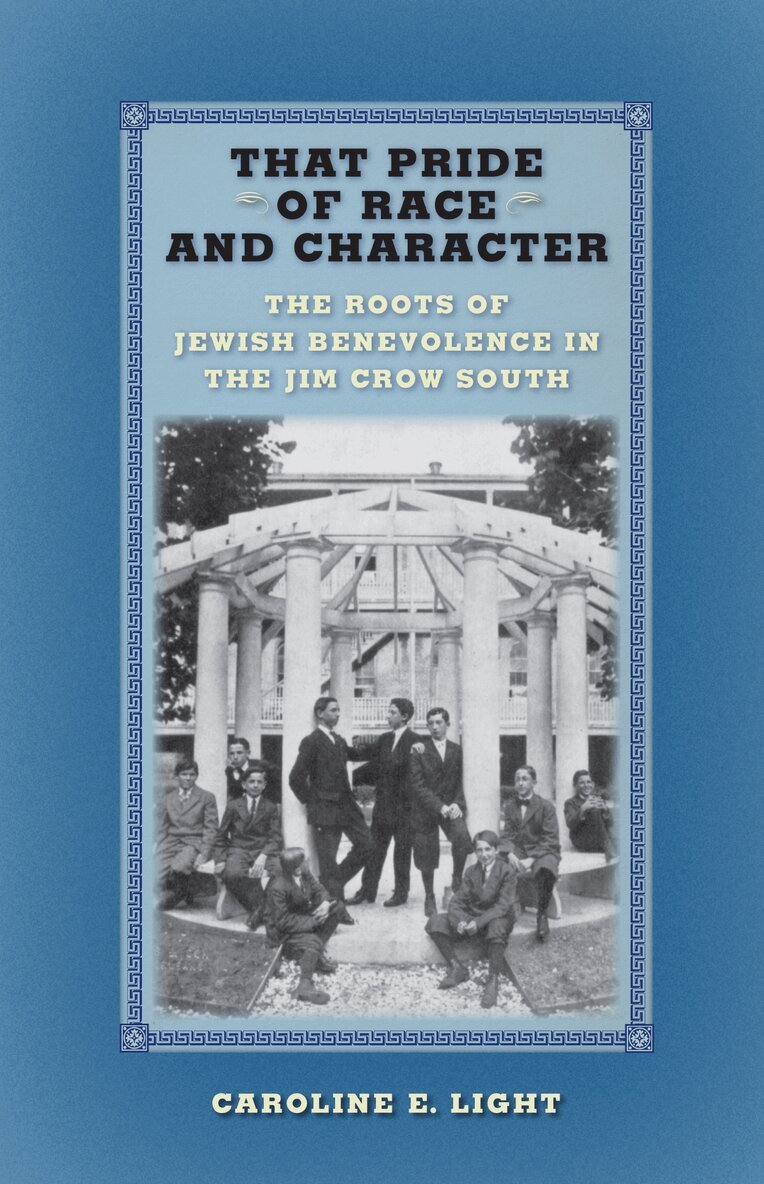
"Ithas ever been the boast of the Jewish people, that they support their own poor,"declared Kentucky attorney Benjamin Franklin Jonas in 1856. "Their reasons arepartly founded in religious necessity, and partly in that pride of race andcharacter which has supported them through so many ages of trial andvicissitude." In That Pride of Race andCharacter, Caroline E. Light examines the American Jewish tradition ofbenevolence and charity and explores its southern roots.Light provides a critical analysis ofbenevolence as it was inflected by regional ideals of race and gender, showinghow a southern Jewish benevolent empire emerged in response to the combinedpressures of post-Civil War devastation and the simultaneous influx of easternEuropean immigration. In an effort to combat the voices of anti-Semitism andnativism, established Jewish leaders developed a sophisticated and cutting-edgenetwork of charities in the South to ensure that Jews took care of thoseconsidered "their own" while also proving themselves to be exemplary whitecitizens. Drawing from confidential case files and institutional records fromvarious southern Jewish charities, the book relates how southern Jewish leadersand their immigrant clients negotiated the complexities of "fitting in" in aplace and time of significant socio-political turbulence. Ultimately, thesouthern Jewish call to benevolence bore the particular imprint of the region'sracial mores and left behind a rich legacy.