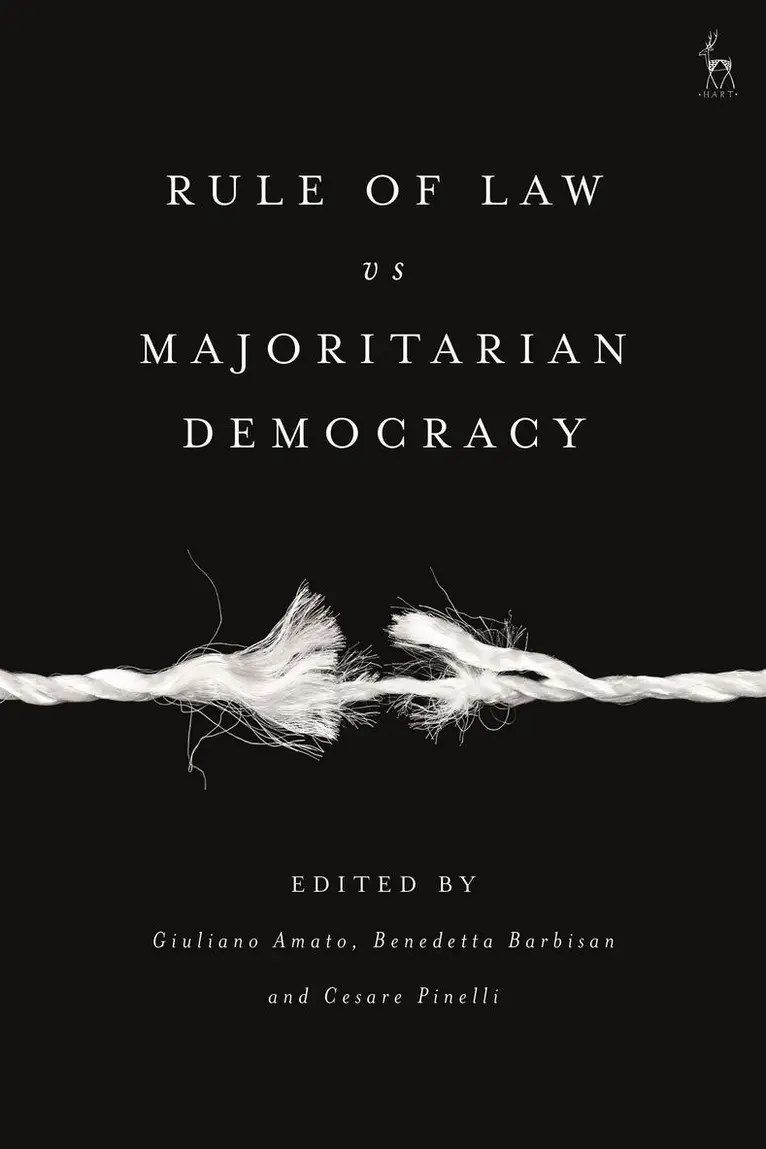
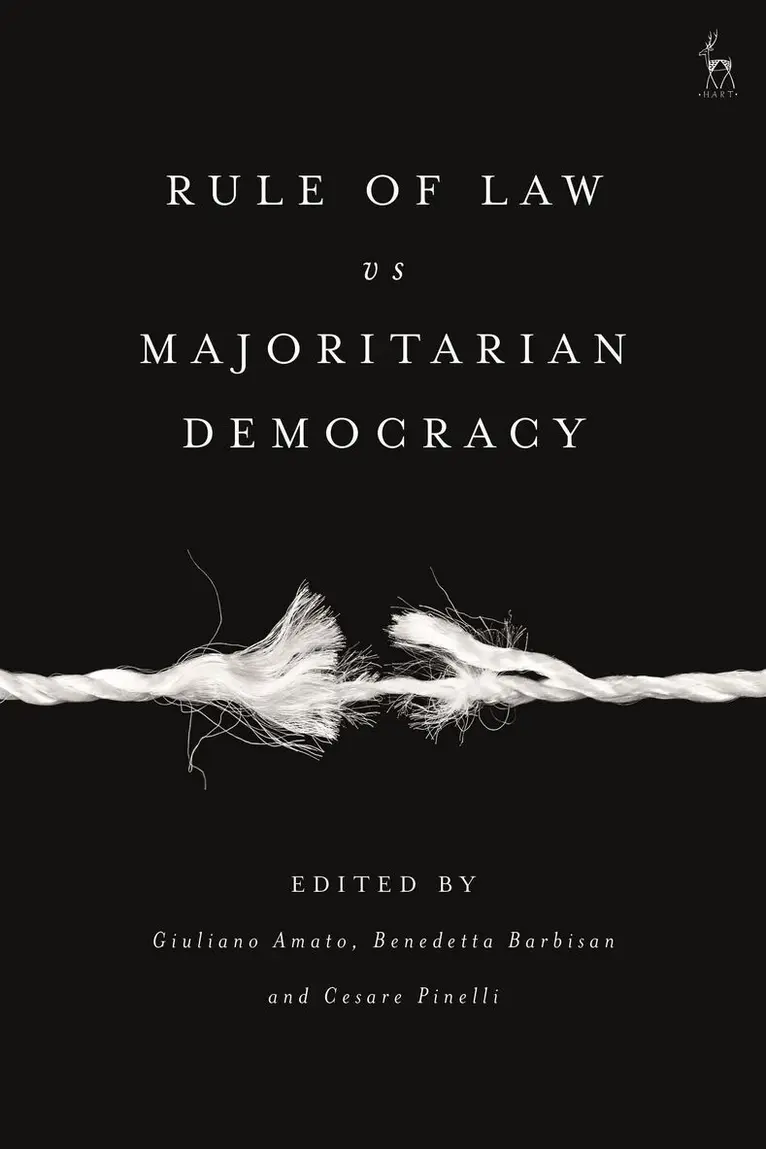
What is more paradoxically democratic than a people exercising their vote against the harbingers of the rule of law and democracy? What happens when the will of the people and the rule of law are at odds? Some commentators note that the presence of illiberal political movements in the public arena of many Western countries demonstrates that their democracy is so inclusive and alive that it comprehends and countenances even undemocratic forces and political agendas. But what if, on the contrary, these were the signs of the deconsolidation of democracy instead of its good health? What if democratically elected regimes were to ignore constitutional principles representing the rule of law and the limits of their power? With contributions from judges and scholars from different backgrounds and nationalities this book explores the framework in which this tension currently takes place in several Western countries by focusing on four key themes:- The Rule of Law: presenting a historical and theoretical reconstruction of the evolution of the Rule of Law;- The People: dealing with a set of problems around the notion of ‘people’ and the forces claiming to represent their voice; - Democracy and its enemies: tackling a variety of phenomena impacting on the traditional democratic balance of powers and institutional order;- Elected and Non-Elected: focusing on the juxtaposition between judges (and, more generally, non-representative bodies) and the people’s representation.
What is more paradoxically democratic than a people exercising their vote against the harbingers of the rule of law and democracy? What happens when the will of the people and the rule of law are at odds? Some commentators note that the presence of illiberal political movements in the public arena of many Western countries demonstrates that their democracy is so inclusive and alive that it comprehends and countenances even undemocratic forces and political agendas. But what if, on the contrary, these were the signs of the deconsolidation of democracy instead of its good health? What if democratically elected regimes were to ignore constitutional principles representing the rule of law and the limits of their power? With contributions from judges and scholars from different backgrounds and nationalities this book explores the framework in which this tension currently takes place in several Western countries by focusing on four key themes:- The Rule of Law: presenting a historical and theoretical reconstruction of the evolution of the Rule of Law;- The People: dealing with a set of problems around the notion of ''people'' and the forces claiming to represent their voice; - Democracy and its enemies: tackling a variety of phenomena impacting on the traditional democratic balance of powers and institutional order;- Elected and Non-Elected: focusing on the juxtaposition between judges (and, more generally, non-representative bodies) and the people''s representation.
What is more paradoxically democratic than a people exercising their vote against the harbingers of the rule of law and democracy? What happens when the will of the people and the rule of law are at odds? Some commentators note that the presence of illiberal political movements in the public arena of many Western countries demonstrates that their democracy is so inclusive and alive that it comprehends and countenances even undemocratic forces and political agendas. But what if, on the contrary, these were the signs of the deconsolidation of democracy instead of its good health? What if democratically elected regimes were to ignore constitutional principles representing the rule of law and the limits of their power? With contributions from judges and scholars from different backgrounds and nationalities this book explores the framework in which this tension currently takes place in several Western countries by focusing on four key themes:- The Rule of Law: presenting a historical and theoretical reconstruction of the evolution of the Rule of Law;- The People: dealing with a set of problems around the notion of ‘people’ and the forces claiming to represent their voice; - Democracy and its enemies: tackling a variety of phenomena impacting on the traditional democratic balance of powers and institutional order;- Elected and Non-Elected: focusing on the juxtaposition between judges (and, more generally, non-representative bodies) and the people’s representation.
Die Edition "Ius Publicum Europaeum" behandelt das Verfassungsrecht nebst Verfassungsprozessrecht und das Verwaltungsrecht im Lichte des gemeinsamen europäischen Rechtsraums. Dargestellt werden die Grundstrukturen der nationalen Verfassungen und deren Wissenschaft in repräsentativ ausgewählten Mitgliedstaaten der Europäischen Union, darunter die Gründerstaaten Deutschland, Frankreich und Italien.Die Idee dieses Handbuchs ist es, die unter dem Einfluss des europäischen Rechts stehenden nationalen Rechtsordnungen einer rechtsvergleichenden Analyse zu unterziehen und dabei Gemeinsamkeiten und Unterschiede aufzuzeigen. Ausgangspunkt ist jeweils das nationale Recht. Die einzelnen Landesberichte sind nach einheitlichen Kriterien erstellt und erläutern die jeweiligen nationalen Grundlagen, so dass die Rechtsordnungen der einzelnen Staaten sehr gut miteinander vergleichbar sind. Führende Staats- und Verwaltungsrechtler aus ganz Europa wirken als Autoren an dieser Edition mit.In Band I werden die historischen Grundlagen und dogmatischen Grundzüge der Verfassungs- und Regierungssysteme untersucht sowie die ihre Identität prägenden Entscheidungen herausgearbeitet. Den Beiträgen liegt ein einheitliche Gliederung zugrunde, die alle relevanten rechtsvergleichenden Gesichtspunkte beinhaltet. Gemeinsamkeiten und Unterschiede werden analysiert, bedeutsame rechtsvergleichende Gesichtspunkte beleuchtet und ein Ausblick auf ein gemeinsames europäisches Verfassungsrecht formuliert.