Chris Hobbs – författare
Visar alla böcker från författaren Chris Hobbs. Handla med fri frakt och snabb leverans.
7 produkter
7 produkter
939 kr
Skickas inom 10-15 vardagar
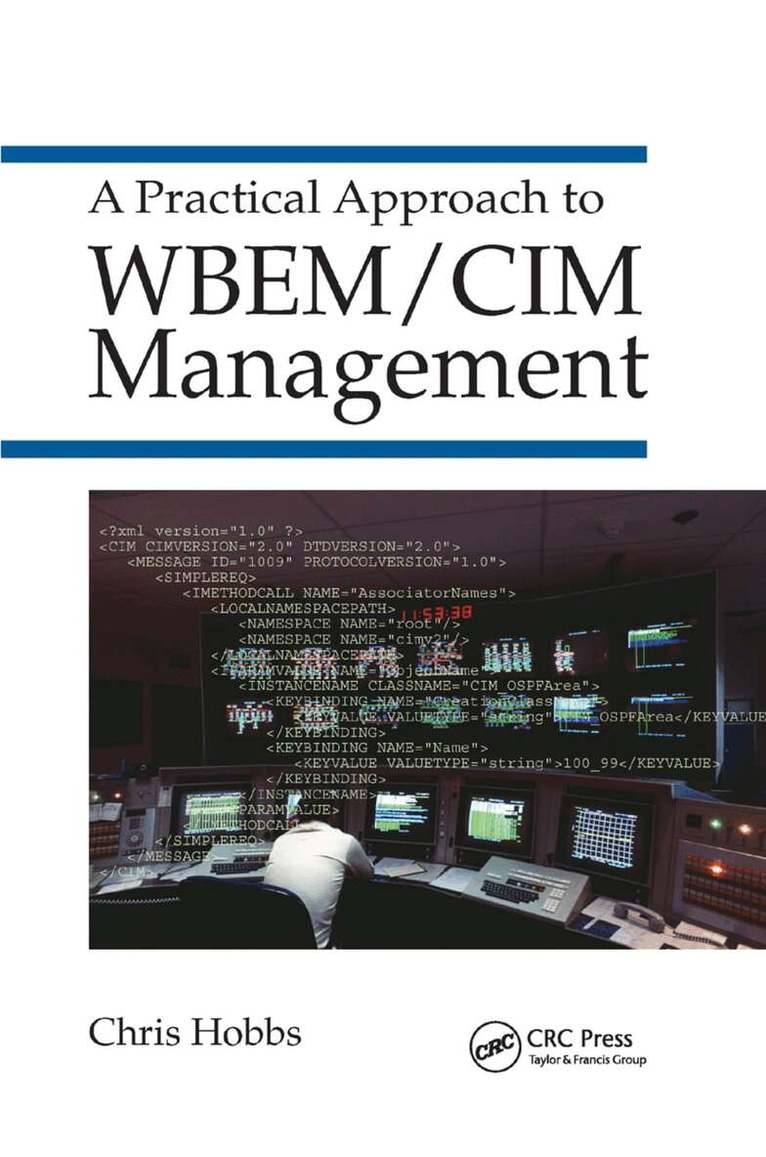
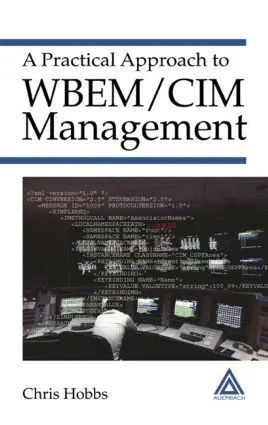
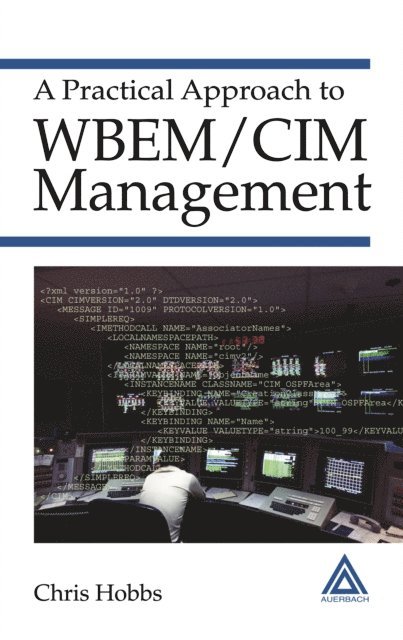
System architects and engineers in fields such as storage networking, desktop computing, electrical power distribution, and telecommunications need a common and flexible way of managing heterogeneous devices and services. Web-Based Enterprise Management (WBEM) and its Component Information Model (CIM) provide the architecture, language, interfaces, and common models for the management of storage, computing, and telecommunication applications.Now there is a practical guide for those who design or implement the emerging WBEM systems or produce a CIM model of a device or service. A Practical Approach to WBEM/CIM Management describes in detail WBEM/CIM architecture and explores the standard models developed by the Distributed Management Task Force (DMTF). It explores the interfaces with which your WBEM/CIM code will have to work, and offers examples of applicable models and related code.This book introduces the components of WBEM architecture, defines models within CIM, and illustrates communication between the WBEM client and server. It also investigates transitioning from SNMP or proprietary systems to WBEM/CIM.Realizing that the field is undergoing a period of massive growth and change, the author focuses primarily on the areas which have been standardized and which differ little between implementations. He does, however, provide coding examples using the openPegasus implementation, demonstrating concepts common to other C++ and Java-based implementations.
666 kr
Skickas inom 10-15 vardagar
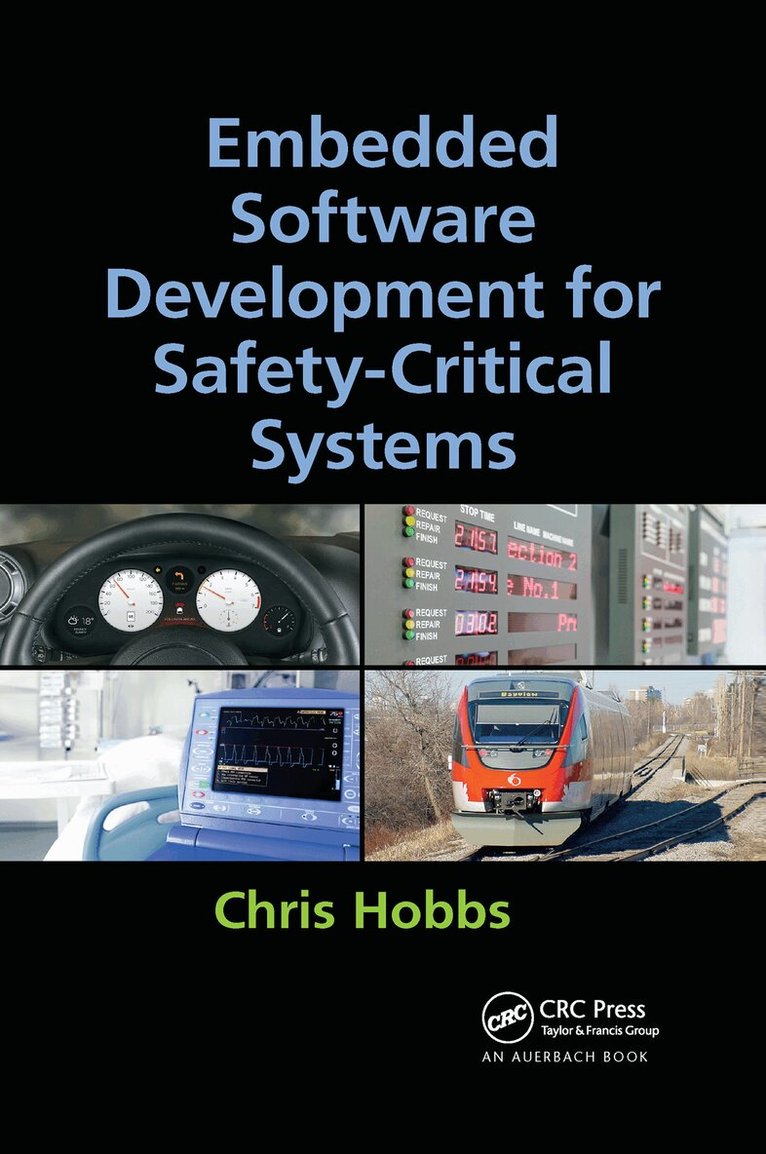
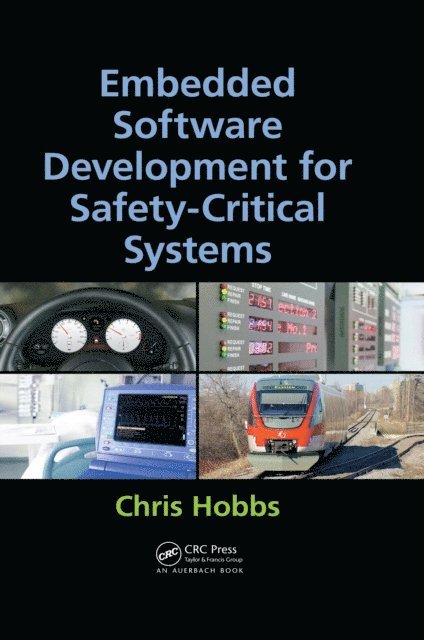
"I highly recommend Mr. Hobbs' book." - Stephen Thomas, PE, Founder and Editor of FunctionalSafetyEngineer.com Safety-critical devices, whether medical, automotive, or industrial, are increasingly dependent on the correct operation of sophisticated software. Many standards have appeared in the last decade on how such systems should be designed and built. Developers, who previously only had to know how to program devices for their industry, must now understand remarkably esoteric development practices and be prepared to justify their work to external auditors. Embedded Software Development for Safety-Critical Systems discusses the development of safety-critical systems under the following standards: IEC 61508; ISO 26262; EN 50128; and IEC 62304. It details the advantages and disadvantages of many architectural and design practices recommended in the standards, ranging from replication and diversification, through anomaly detection to the so-called "safety bag" systems.Reviewing the use of open-source components in safety-critical systems, this book has evolved from a course text used by QNX Software Systems for a training module on building embedded software for safety-critical devices, including medical devices, railway systems, industrial systems, and driver assistance devices in cars. Although the book describes open-source tools for the most part, it also provides enough information for you to seek out commercial vendors if that’s the route you decide to pursue. All of the techniques described in this book may be further explored through hundreds of learned articles. In order to provide you with a way in, the author supplies references he has found helpful as a working software developer. Most of these references are available to download for free.
1 843 kr
Skickas inom 10-15 vardagar
System architects and engineers in fields such as storage networking, desktop computing, electrical power distribution, and telecommunications need a common and flexible way of managing heterogeneous devices and services. Web-Based Enterprise Management (WBEM) and its Component Information Model (CIM) provide the architecture, language, interfaces, and common models for the management of storage, computing, and telecommunication applications.Now there is a practical guide for those who design or implement the emerging WBEM systems or produce a CIM model of a device or service. A Practical Approach to WBEM/CIM Management describes in detail WBEM/CIM architecture and explores the standard models developed by the Distributed Management Task Force (DMTF). It explores the interfaces with which your WBEM/CIM code will have to work, and offers examples of applicable models and related code.This book introduces the components of WBEM architecture, defines models within CIM, and illustrates communication between the WBEM client and server. It also investigates transitioning from SNMP or proprietary systems to WBEM/CIM.Realizing that the field is undergoing a period of massive growth and change, the author focuses primarily on the areas which have been standardized and which differ little between implementations. He does, however, provide coding examples using the openPegasus implementation, demonstrating concepts common to other C++ and Java-based implementations.
685 kr
Skickas inom 10-15 vardagar
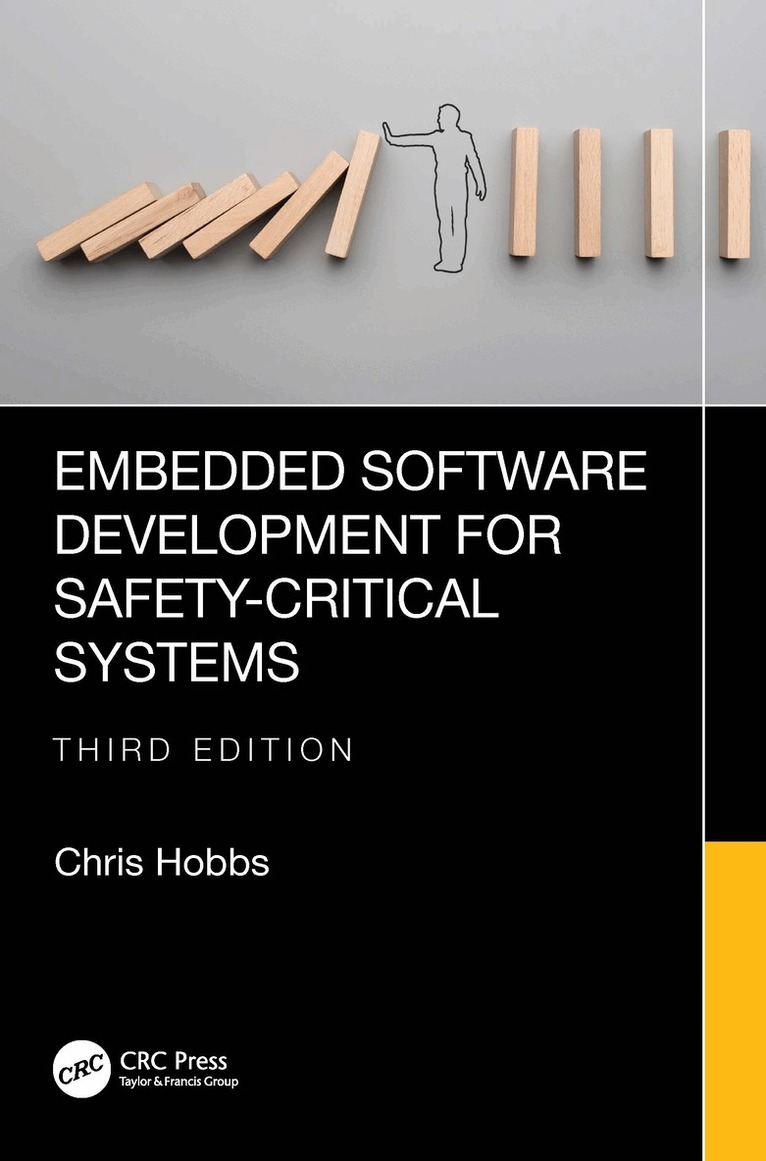
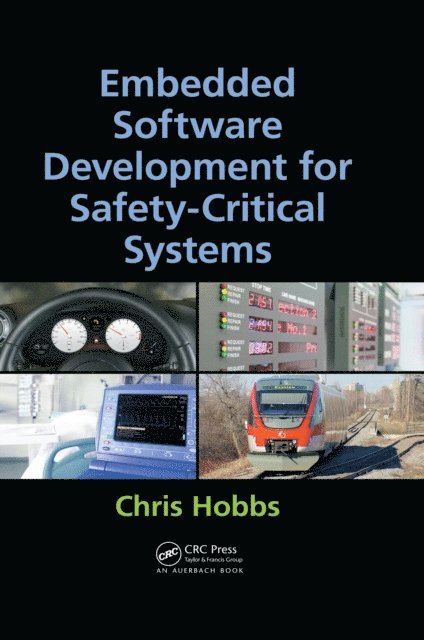
Safety-critical devices, whether medical, rail, automotive or industrial are dependent on the correct operation of sophisticated software. Many standards describe how such systems should be designed, built and verified. Developers who previously had to know only how to program devices for their industry must now understand and deploy additional development practices and be prepared to justify their work to external assessors.The third edition of Embedded Software Development for Safety-Critical Systems is about the creation of dependable embedded software. It is written for system designers, implementers and verifiers who are experienced in general embedded software development, but who are now facing the prospect of developing a software-based system for safety-critical applications. In particular, it is aimed at those creating a product that must satisfy one or more of the international standards relating to safety critical applications, including IEC 61508, ISO 26262, EN 50716, UL 4600, ISO 21448, ISO/PAS 8800 or IEC 62304.This book has evolved from a course text used by QNX for a three-day training module on building embedded software for safety-critical systems. Although it describes open source tools for most applications, it also provides enough information for you to seek out commercial vendors if that’s the route you decide to pursue. All of the techniques described in this book may be further explored through several hundred references to articles that the author has personally found helpful as a professional software developer. Almost all of these references are available for free download.
1 702 kr
Skickas inom 10-15 vardagar
Safety-critical devices, whether medical, rail, automotive or industrial are dependent on the correct operation of sophisticated software. Many standards describe how such systems should be designed, built and verified. Developers who previously had to know only how to program devices for their industry must now understand and deploy additional development practices and be prepared to justify their work to external assessors.The third edition of Embedded Software Development for Safety-Critical Systems is about the creation of dependable embedded software. It is written for system designers, implementers and verifiers who are experienced in general embedded software development, but who are now facing the prospect of developing a software-based system for safety-critical applications. In particular, it is aimed at those creating a product that must satisfy one or more of the international standards relating to safety critical applications, including IEC 61508, ISO 26262, EN 50716, UL 4600, ISO 21448, ISO/PAS 8800 or IEC 62304.This book has evolved from a course text used by QNX for a three-day training module on building embedded software for safety-critical systems. Although it describes open source tools for most applications, it also provides enough information for you to seek out commercial vendors if that’s the route you decide to pursue. All of the techniques described in this book may be further explored through several hundred references to articles that the author has personally found helpful as a professional software developer. Almost all of these references are available for free download.
249 kr
Skickas inom 5-8 vardagar
1 984 kr
Skickas inom 10-15 vardagar
"I highly recommend Mr. Hobbs' book." - Stephen Thomas, PE, Founder and Editor of FunctionalSafetyEngineer.com Safety-critical devices, whether medical, automotive, or industrial, are increasingly dependent on the correct operation of sophisticated software. Many standards have appeared in the last decade on how such systems should be designed and built. Developers, who previously only had to know how to program devices for their industry, must now understand remarkably esoteric development practices and be prepared to justify their work to external auditors. Embedded Software Development for Safety-Critical Systems discusses the development of safety-critical systems under the following standards: IEC 61508; ISO 26262; EN 50128; and IEC 62304. It details the advantages and disadvantages of many architectural and design practices recommended in the standards, ranging from replication and diversification, through anomaly detection to the so-called "safety bag" systems.Reviewing the use of open-source components in safety-critical systems, this book has evolved from a course text used by QNX Software Systems for a training module on building embedded software for safety-critical devices, including medical devices, railway systems, industrial systems, and driver assistance devices in cars. Although the book describes open-source tools for the most part, it also provides enough information for you to seek out commercial vendors if that’s the route you decide to pursue. All of the techniques described in this book may be further explored through hundreds of learned articles. In order to provide you with a way in, the author supplies references he has found helpful as a working software developer. Most of these references are available to download for free.