Christoph Witzenrath – författare
Visar alla böcker från författaren Christoph Witzenrath. Handla med fri frakt och snabb leverans.
10 produkter
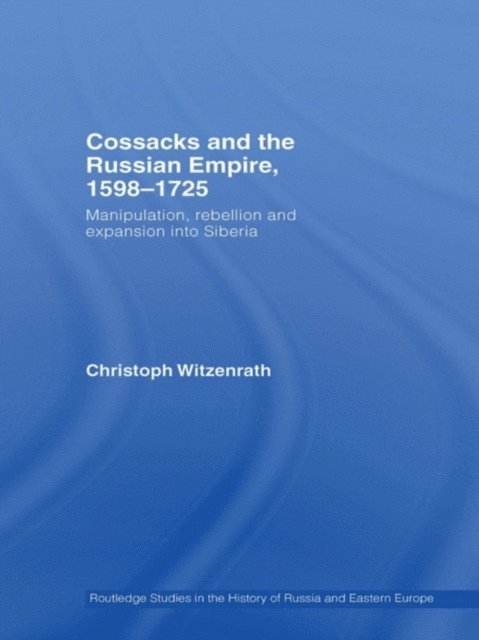
Cossacks and the Russian Empire, 1598-1725
Manipulation, Rebellion and Expansion into Siberia
Inbunden, 2007
2586 kr
Lägg i varukorg
Using a wide range sources, this book explores the ways in which the Russians governed their empire in Siberia from 1598 to 1725. Paying particular attention to the role of the Siberian Cossaks, the author takes a thorough assessment of how the institutions of imperial government functioned in …
Cossacks and the Russian Empire, 1598-1725
Manipulation, Rebellion and Expansion into Siberia
Häftad, 2009
770 kr
Lägg i varukorg
Using a wide range sources, this book explores the ways in which the Russians governed their empire in Siberia from 1598 to 1725. Paying particular attention to the role of the Siberian Cossaks, the author takes a thorough assessment of how the institutions of imperial government functioned in …
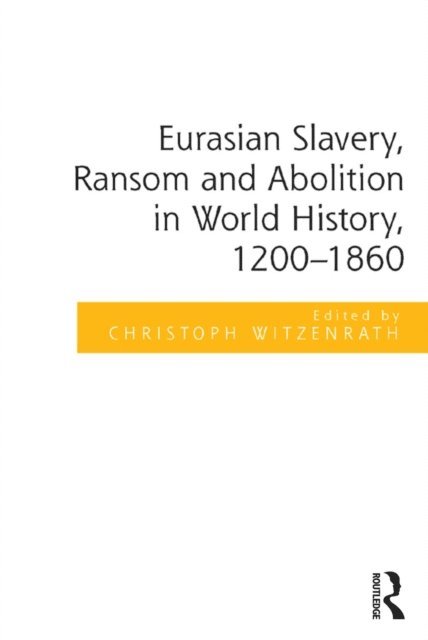
Eurasian Slavery, Ransom and Abolition in World History, 1200-1860
Häftad, 2024
665 kr
Lägg i varukorg
Recent research has demonstrated that early modern slavery was much more widespread than the traditional concentration on plantation slavery in the context of European colonial expansion would suggest. Slavery and slave trading, though little researched, were common across wide stretches of …
Cossacks and the Russian Empire, 1598-1725
Manipulation, Rebellion and Expansion into Siberia
E-bok, 2007
910 kr
Lägg i varukorg
Using a wide range sources, this book explores the ways in which the Russians governed their empire in Siberia from 1598 to 1725. Paying particular attention to the role of the Siberian Cossaks, the author takes a thorough assessment of how the institutions of imperial government functioned in …
Cossacks and the Russian Empire, 1598-1725
Manipulation, Rebellion and Expansion into Siberia
E-bok, 2007
910 kr
Lägg i varukorg
Using a wide range sources, this book explores the ways in which the Russians governed their empire in Siberia from 1598 to 1725. Paying particular attention to the role of the Siberian Cossaks, the author takes a thorough assessment of how the institutions of imperial government functioned in …
Eurasian Slavery, Ransom and Abolition in World History, 1200-1860
E-bok, 2016
762 kr
Lägg i varukorg
Recent research has demonstrated that early modern slavery was much more widespread than the traditional concentration on plantation slavery in the context of European colonial expansion would suggest. Slavery and slave trading, though little researched, were common across wide stretches of …
Eurasian Slavery, Ransom and Abolition in World History, 1200-1860
E-bok, 2016
785 kr
Lägg i varukorg
Recent research has demonstrated that early modern slavery was much more widespread than the traditional concentration on plantation slavery in the context of European colonial expansion would suggest. Slavery and slave trading, though little researched, were common across wide stretches of …
Eurasian Slavery, Ransom and Abolition in World History, 1200-1860
Inbunden, 2015
2578 kr
Lägg i varukorg
Recent research has demonstrated that early modern slavery was much more widespread than the traditional concentration on plantation slavery in the context of European colonial expansion would suggest. Slavery and slave trading, though little researched, were common across wide stretches of …
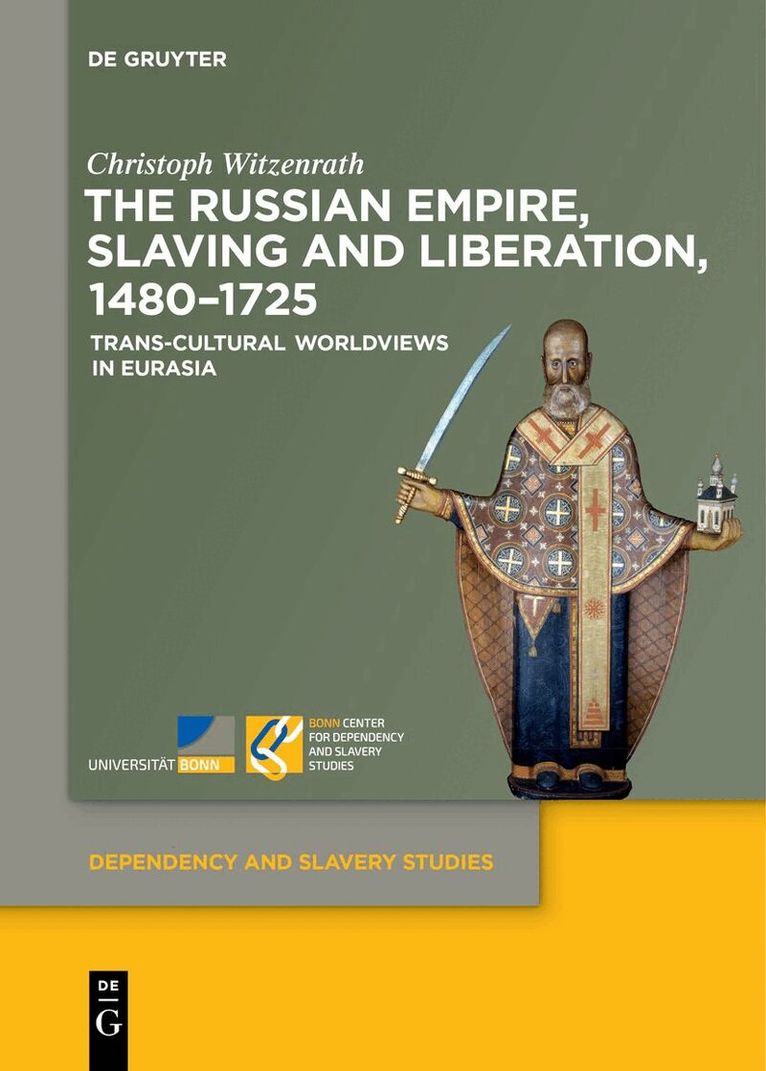
Russian Empire, Slaving and Liberation, 1480–1725
Trans-Cultural Worldviews in Eurasia
Inbunden, 2022
1299 kr
Lägg i varukorg
No detailed description available for "The Russian Empire, Slaving and Liberation, 1480–1725".
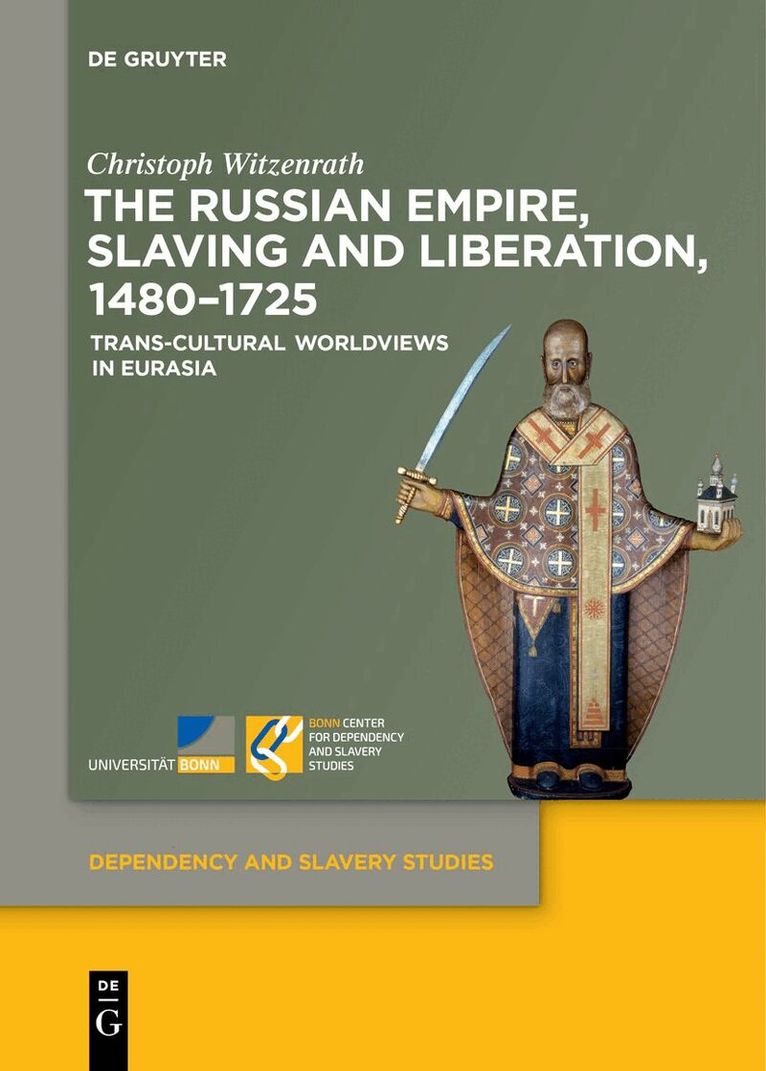
Russian Empire, Slaving and Liberation, 1480–1725
Trans-Cultural Worldviews in Eurasia
Häftad, 2024
284 kr
Lägg i varukorg
No detailed description available for "The Russian Empire, Slaving and Liberation, 1480–1725".