Chung-Chian Teng - Böcker
Visar alla böcker från författaren Chung-Chian Teng. Handla med fri frakt och snabb leverans.
4 produkter
4 produkter
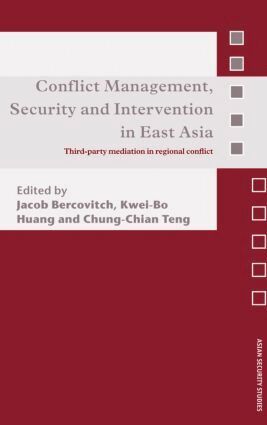
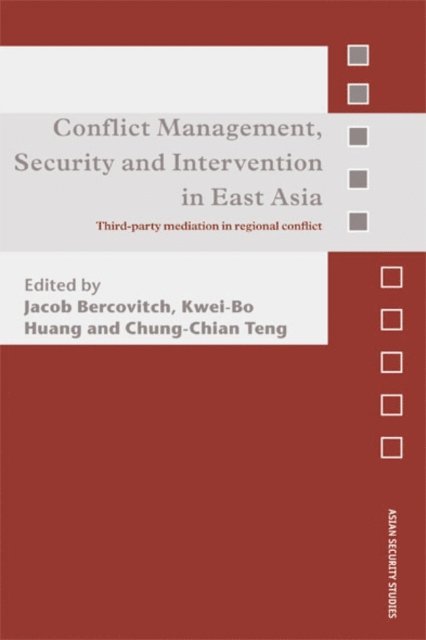
Conflict Management, Security and Intervention in East Asia
Third-party Mediation in Regional Conflict
Inbunden, Engelska, 2008
1 362 kr
Skickas inom 10-15 vardagar
This edited volume examines the sources, manifestations and management of conflict in East Asia, which contains many of the world’s conflict flashpoints, such as the Korean Peninsula and the China-Taiwan Strait.In particular, the book will elaborate on the following themes: general and NGO approaches to third-party mediation in conflict situations; regional conflict management approaches in East Asia; and third-party interventions in the context of Beijing-Taipei.The volume examines third-party mediation experiences from both theoretical and historical/practical perspectives, arguing that mediation is of great significance for regional peace and stability in East Asia, with a focus on the important case of Taiwan-China.This book will be of interest to students of regional security, Asian studies, peace studies, conflict studies and international relations.
Conflict Management, Security and Intervention in East Asia
Third-party Mediation in Regional Conflict
Häftad, Engelska, 2009
522 kr
Skickas inom 10-15 vardagar
This edited volume examines the sources, manifestations and management of conflict in East Asia, which contains many of the world’s conflict flashpoints, such as the Korean Peninsula and the China-Taiwan Strait.In particular, the book will elaborate on the following themes: general and NGO approaches to third-party mediation in conflict situations; regional conflict management approaches in East Asia; and third-party interventions in the context of Beijing-Taipei.The volume examines third-party mediation experiences from both theoretical and historical/practical perspectives, arguing that mediation is of great significance for regional peace and stability in East Asia, with a focus on the important case of Taiwan-China.This book will be of interest to students of regional security, Asian studies, peace studies, conflict studies and international relations.
1 256 kr
Skickas inom 7-10 vardagar
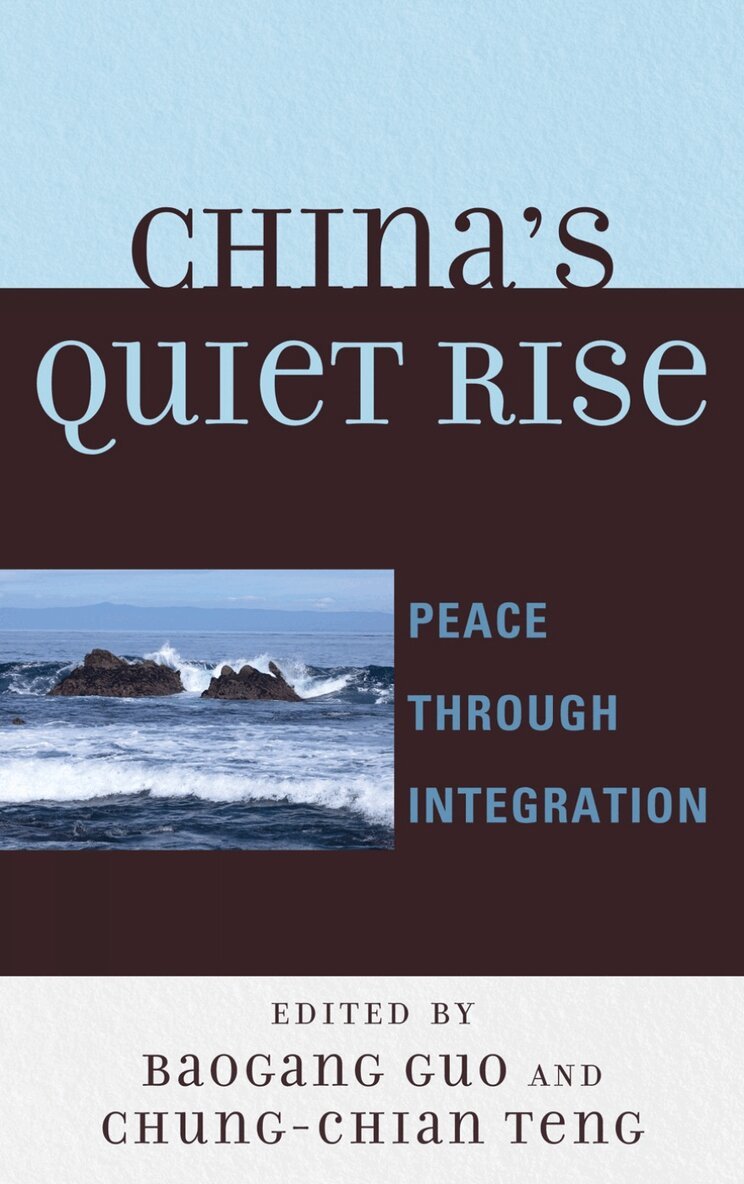
Despite China's desire to make its rapid ascendance in the 21st century as non provocative as possible, the key to ensure China's peaceful rise lies in two-way integration and engagement. A closely integrated China with the rest of the world and China's acceptance of existing international norms and rules may compel China to behave in a more predictable and responsive way. This co-edited book examines China's rising military capacity and the complex feelings its neighbors, such as Taiwan, South Korea and India, have toward the increasingly powerful China. The focus of this book is on the efforts made by China to brand her non-aggressive image through promoting public diplomacy and expanding regional free trade and cooperation in Asia and Latin America. It uses the cross-Taiwan-strait relations as a testing ground for the prospect of peace between the two former adversaries. China's Quiet Rise will help readers understand why integration, instead of isolation and containment, may be the most effective way to facilitate China's peaceful rise.
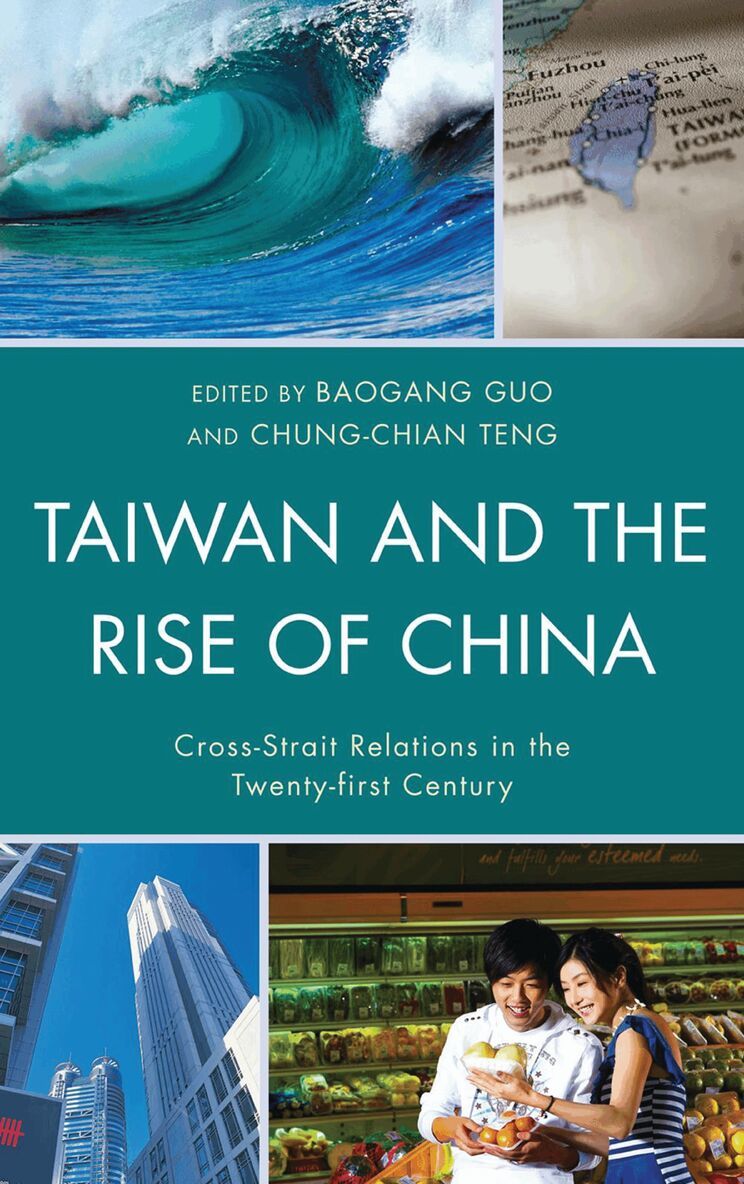
Taiwan and the Rise of China
Cross-Strait Relations in the Twenty-first Century
Inbunden, Engelska, 2012
1 276 kr
Skickas inom 10-15 vardagar
Coincided with China’s economic reform and her rapid ascendance to a great power status, the relations between Taiwan and Chinese mainland since 1979 have also seen some encouraging development. However, the rapprochement is nothing but a smooth ride. Taiwan Strait has always been full of tensions and hostility since the communist took over the mainland over sixty years ago.The periodical tensions in the cross-Strait relations have from time to time threatened to derail the peace talks between the two sides, and poised to jeopardize the region’s peace and stability.This book studies the past, present and future relations across the Taiwan Strait and examines many important questions such as internal and external factors contributing to the Taiwan’s shift in her mainland policy, impacts of Taiwan democratization on the cross-Strait relations, the development of Taiwanese identity and rise of Taiwanese nationalism, the possibility of expanding Taiwan’s international space under the shadow of China, the prospect of reunification between Taiwan and China, and the roles of the third parties, such as U.S., NGOs and Taiwan businessmen, in the changing relationship between the two sides. Taiwan and the Rise of China will certainly help readers, especially those who lack of historical perspective of the political division of the two political adversaries, to grasp the complexity and nature of the cross-Strait relations and faster a real understanding of the significance of this relationship to peace in the region as well as the world in the 21st century.