Claire Farmer - Böcker
Visar alla böcker från författaren Claire Farmer. Handla med fri frakt och snabb leverans.
3 produkter
3 produkter
577 kr
Skickas inom 10-15 vardagar
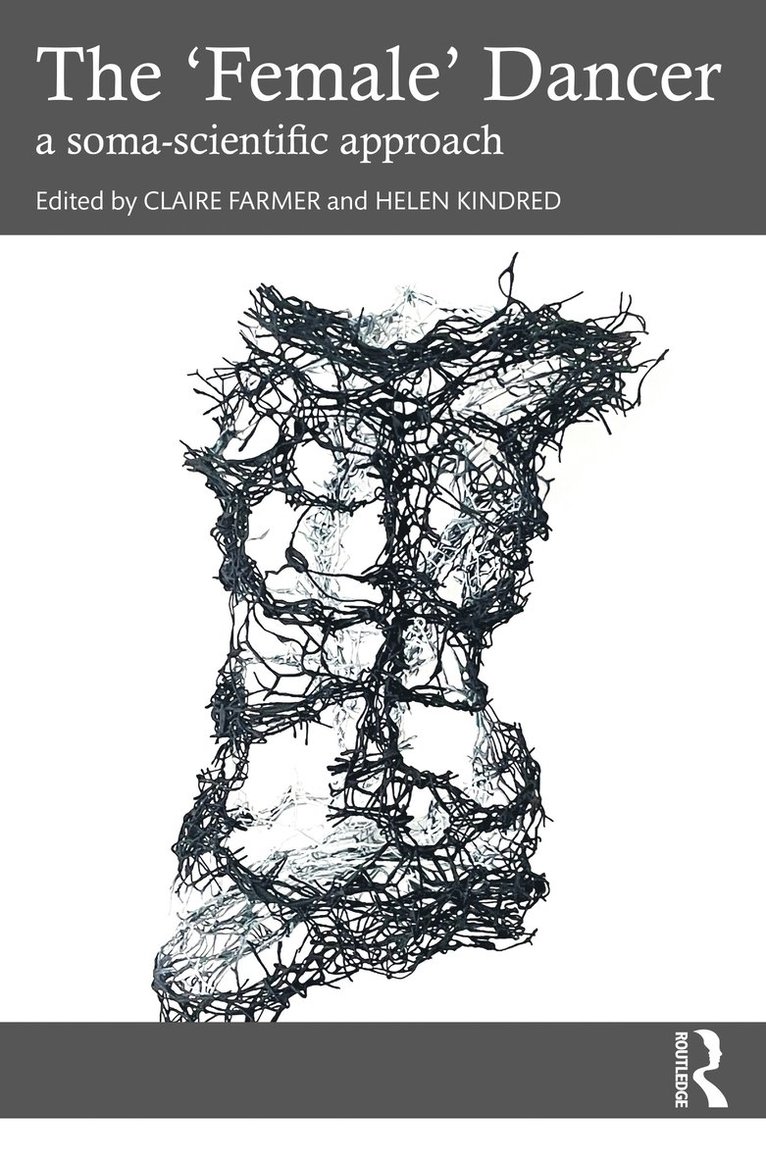
The 'Female' Dancer aims to question dancers’ relationships with ‘female’ through the examination and understandings of biological, anatomical, scientific, and self-social identity. The volume gathers voices of dance scientists, dance scholars, somatic practitioners, and dance artist-educators, to discuss some of the complexities of identities, assumptions and perceptions of a female dancing body in an intersectional and practically focused manner.The book weaves a journey between scientific and somatic approaches to dance and to dancing. Part I: 'Bodily Knowledge' explores body image, hormones and puberty, and discussions around somatic responses to the concept of the gaze. Part II: 'Moving through Change', continues to look at strength, musculature, and female fragility, with chapters interrogating practice around strength training, the dancer as an athlete, the role of fascia, the pelvic floor, pregnancy and post-partum experiences and eco-somatic perceptions of feminine. In 'Taking up Space', Part III, chapters focus on social-cultural and political experiences of females dancing, leadership, and longevity in dance. Part IV: 'Embodied Wisdom' looks at reflections of the Self, physiological, social and cultural perspectives of dancing through life, with life’s seasons from an embodied approach.Drawing together lived experiences of dancers in relationship with scientific research, this book is ideal for undergraduate students of dance, dance artists, and researchers, as well as providing dancers, dance teachers, healthcare practitioners, company managers and those in dance leadership roles with valuable information on how to support female identifying dancers through training and beyond.
2 162 kr
Skickas inom 10-15 vardagar
The 'Female' Dancer aims to question dancers’ relationships with ‘female’ through the examination and understandings of biological, anatomical, scientific, and self-social identity. The volume gathers voices of dance scientists, dance scholars, somatic practitioners, and dance artist-educators, to discuss some of the complexities of identities, assumptions and perceptions of a female dancing body in an intersectional and practically focused manner.The book weaves a journey between scientific and somatic approaches to dance and to dancing. Part I: 'Bodily Knowledge' explores body image, hormones and puberty, and discussions around somatic responses to the concept of the gaze. Part II: 'Moving through Change', continues to look at strength, musculature, and female fragility, with chapters interrogating practice around strength training, the dancer as an athlete, the role of fascia, the pelvic floor, pregnancy and post-partum experiences and eco-somatic perceptions of feminine. In 'Taking up Space', Part III, chapters focus on social-cultural and political experiences of females dancing, leadership, and longevity in dance. Part IV: 'Embodied Wisdom' looks at reflections of the Self, physiological, social and cultural perspectives of dancing through life, with life’s seasons from an embodied approach.Drawing together lived experiences of dancers in relationship with scientific research, this book is ideal for undergraduate students of dance, dance artists, and researchers, as well as providing dancers, dance teachers, healthcare practitioners, company managers and those in dance leadership roles with valuable information on how to support female identifying dancers through training and beyond.
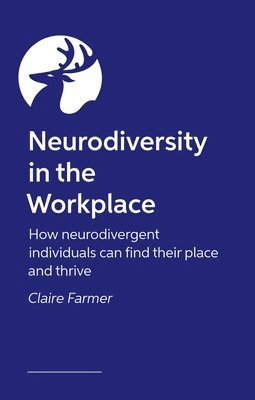
Neurodiversity in the Workplace
How neurodivergent individuals can find their place and thrive
Häftad, Engelska, 2027
242 kr
Kommande
These are the stories of real neurodivergent working lives.Drawing on neurodivergent experiences across a wide range of settings, this powerful and practical guide shows how individuals can thrive in their careers.With contributors who have diagnoses including (and co-occurring with) Autism, ADHD, dyslexia and Tourettes, and who work across education, public service and the corporate sphere, this is an essential handbook of lived experience that doesn't just look at the theory behind inclusion but sheds light on good and bad practices - and establishes what we can learn from both.Chapters cover the life-cycle of a job, including finding and choosing work; navigating social environments; managing and improving your performance; and ending roles in a positive way. The challenges of being neurodivergent in the workplace are real - but this highly informative guide will steer you through effectively and successfully.