Claire Nicholas – författare
Visar alla böcker från författaren . Handla med fri frakt och snabb leverans.
5 produkter
5 produkter
Inbunden, Engelska, 2026
1 004 kr
Kommande
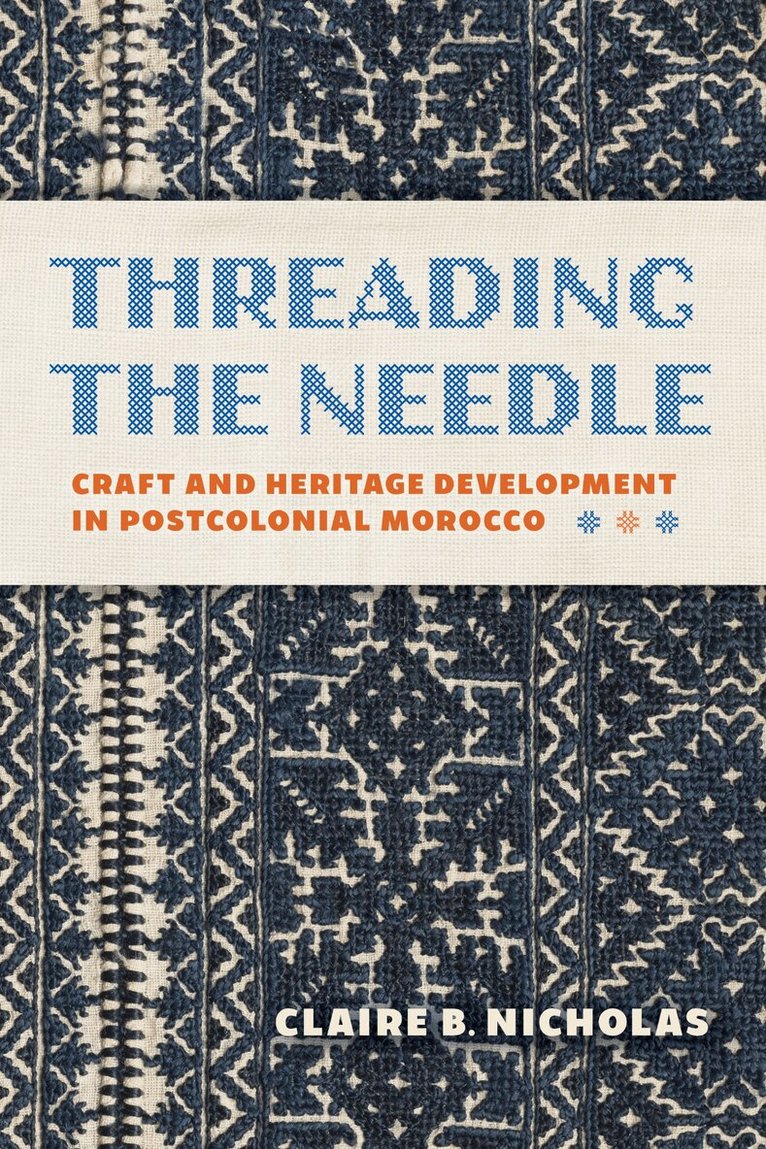
For over a century, French colonial and Moroccan postcolonial state-building efforts have tethered cultural identity to the preservation and "modernization" of artisanal craftwork. Twenty-first-century heritage development initiatives aim to turn the "traditional" know-how of skilled textile producers into "modern" knowledge, reeducating, reorganizing, and reorienting artisans with new markets in mind. But media and development discourses often obscure artisans' own perspectives on their labor, reducing makers and the iconic embroidered and woven textiles they create to romantic stereotypes about "traditional craft."Threading the Needle seeks to correct these clichés. Drawing on analysis of policy documents and archives, media and heritage representations of craft, and nearly two years of fieldwork, this historically grounded ethnography brings readers into the everyday lives of Moroccan textile artisans and other craft experts. Author Claire B. Nicholas foregrounds the diversity of artisans' voices and experiences as they practice patience (sabr) in learning their trades, managing their lives, and navigating state-led efforts to promote craft heritage. Even as artisans participate in training programs and cooperative forms that resemble those of the colonial era, they accomplish parallel objectives that sustain personal and community values. The result is the continuance of local categories of belonging, authority, and sociality, alongside the extension of state influence over the future of craft.With close attention to the practices and possibilities of living heritage in postcolonial Morocco, Threading the Needle reveals the interwoven relationships between tradition, culture, craft, and political authority.
Häftad, Engelska, 2026
405 kr
Kommande
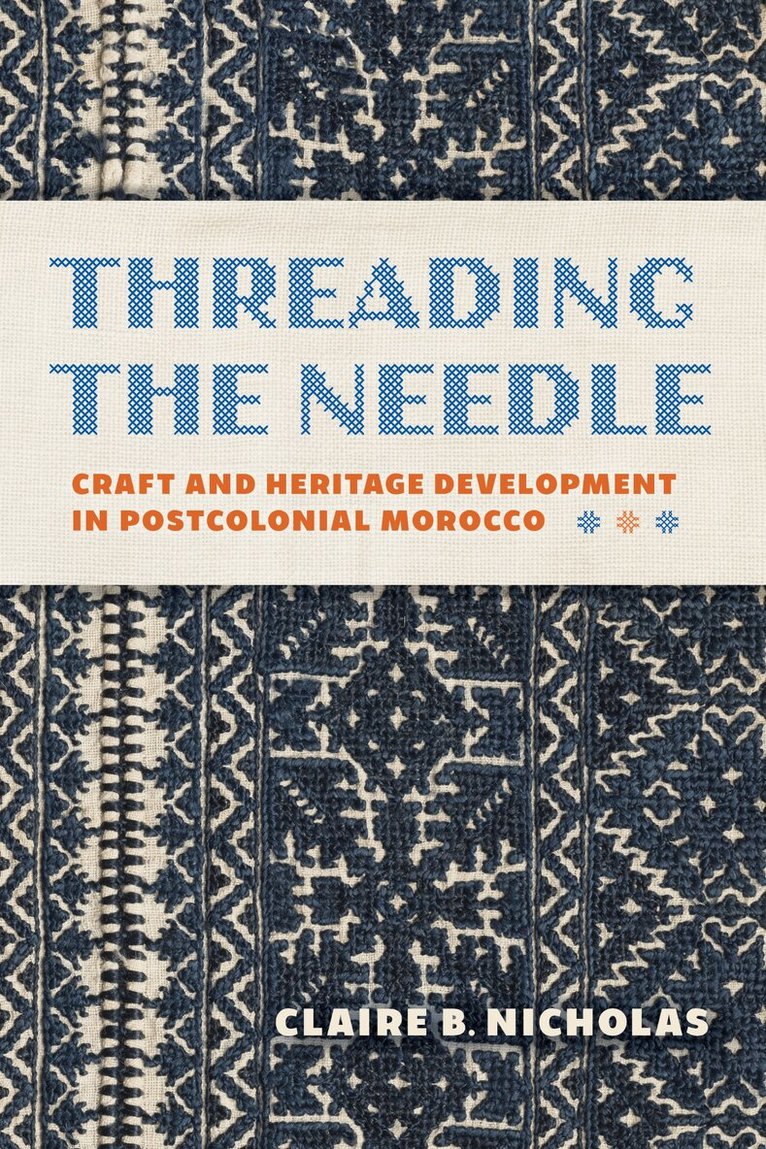
For over a century, French colonial and Moroccan postcolonial state-building efforts have tethered cultural identity to the preservation and "modernization" of artisanal craftwork. Twenty-first-century heritage development initiatives aim to turn the "traditional" know-how of skilled textile producers into "modern" knowledge, reeducating, reorganizing, and reorienting artisans with new markets in mind. But media and development discourses often obscure artisans' own perspectives on their labor, reducing makers and the iconic embroidered and woven textiles they create to romantic stereotypes about "traditional craft."Threading the Needle seeks to correct these clichés. Drawing on analysis of policy documents and archives, media and heritage representations of craft, and nearly two years of fieldwork, this historically grounded ethnography brings readers into the everyday lives of Moroccan textile artisans and other craft experts. Author Claire B. Nicholas foregrounds the diversity of artisans' voices and experiences as they practice patience (sabr) in learning their trades, managing their lives, and navigating state-led efforts to promote craft heritage. Even as artisans participate in training programs and cooperative forms that resemble those of the colonial era, they accomplish parallel objectives that sustain personal and community values. The result is the continuance of local categories of belonging, authority, and sociality, alongside the extension of state influence over the future of craft.With close attention to the practices and possibilities of living heritage in postcolonial Morocco, Threading the Needle reveals the interwoven relationships between tradition, culture, craft, and political authority.
Inbunden, Engelska, 2021
871 kr
Skickas inom 10-15 vardagar
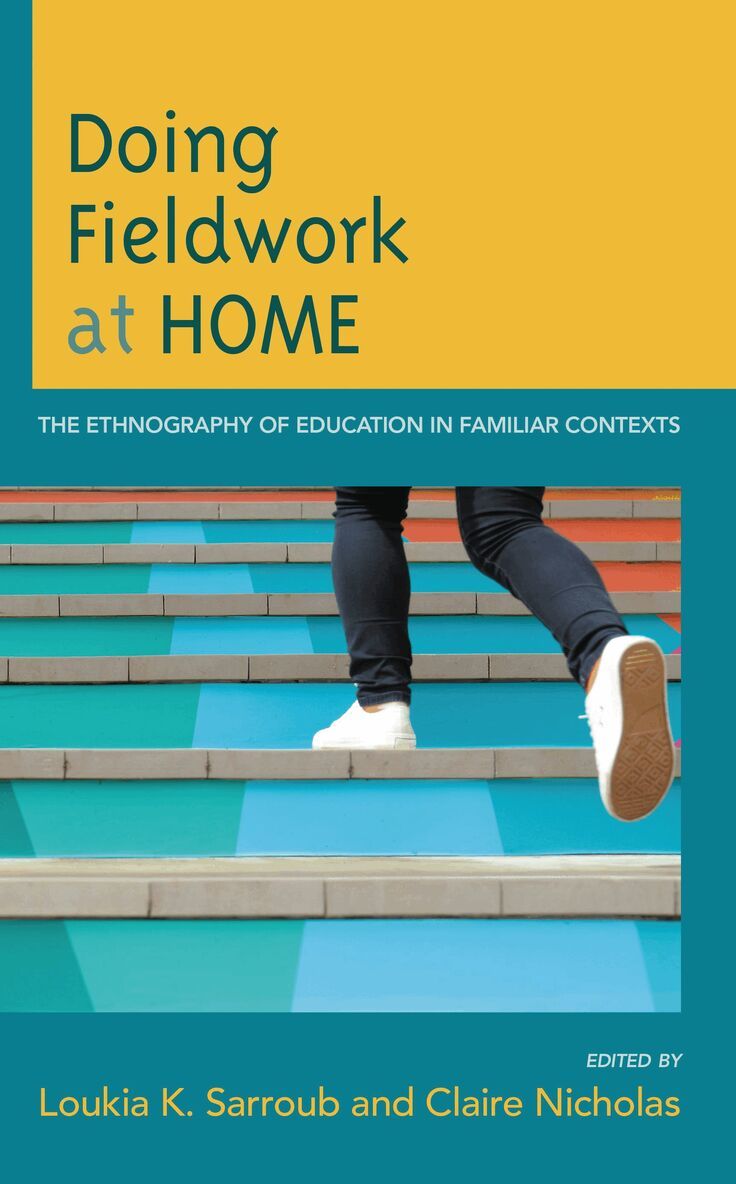
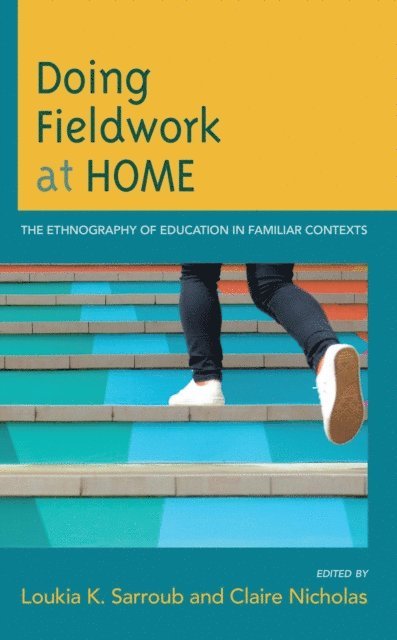
This book engages readers via the international contributions from “home” field sites around the world and international authors. Importantly, the various chapters address a wide spectrum of educational contexts – ranging from higher education, to K-12 public and private schools, to prison schools. The realistic accounts portrayed in each of the chapters address how local collaborations are instantiated through the research process, from access and data collection to the write-up phases. The major themes that emerge across the chapters highlight 1) positionality and negotiation of multiple roles, i.e., researcher, educator, colleague, friend, community member; 2) reconciling multiple, hybrid, and intersectional identities with varying insider/outsider statuses vis-à-vis research participants; 3) resulting power dynamics in connection to relational identities – sometimes conflicting, consolidating, equalizing, and/or elevating; 4) innovative methodological responses to these dilemmas; and 5) integrated research designs and research ethics, offering possibilities for participation and insights on the social impact of research findings. The book’s chapters thus individually and collectively treat and resolve local ways of doing home (field) work and highlight the creation and sharing of knowledge among researchers and research participants.
Häftad, Engelska, 2021
432 kr
Skickas inom 10-15 vardagar
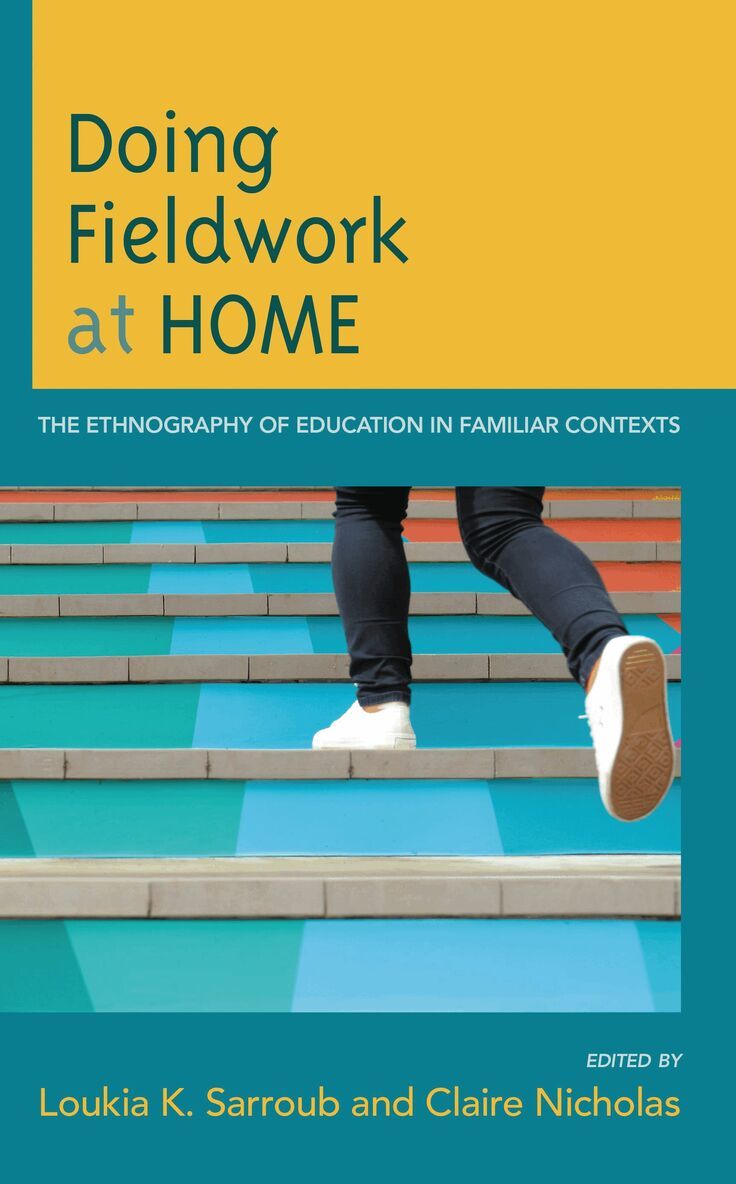
This book engages readers via the international contributions from “home” field sites around the world and international authors. Importantly, the various chapters address a wide spectrum of educational contexts – ranging from higher education, to K-12 public and private schools, to prison schools. The realistic accounts portrayed in each of the chapters address how local collaborations are instantiated through the research process, from access and data collection to the write-up phases. The major themes that emerge across the chapters highlight 1) positionality and negotiation of multiple roles, i.e., researcher, educator, colleague, friend, community member; 2) reconciling multiple, hybrid, and intersectional identities with varying insider/outsider statuses vis-à-vis research participants; 3) resulting power dynamics in connection to relational identities – sometimes conflicting, consolidating, equalizing, and/or elevating; 4) innovative methodological responses to these dilemmas; and 5) integrated research designs and research ethics, offering possibilities for participation and insights on the social impact of research findings. The book’s chapters thus individually and collectively treat and resolve local ways of doing home (field) work and highlight the creation and sharing of knowledge among researchers and research participants.
E-bok
Engelska, 2021471 kr
Läs direkt efter köp
This book engages readers via the international contributions from “home” field sites around the world and international authors. Importantly, the various chapters address a wide spectrum of educational contexts – ranging from higher education, to K-12 public and private schools, to prison schools. The realistic accounts portrayed in each of the chapters address how local collaborations are instantiated through the research process, from access and data collection to the write-up phases. The major themes that emerge across the chapters highlight 1) positionality and negotiation of multiple roles, i.e., researcher, educator, colleague, friend, community member; 2) reconciling multiple, hybrid, and intersectional identities with varying insider/outsider statuses vis-à-vis research participants; 3) resulting power dynamics in connection to relational identities – sometimes conflicting, consolidating, equalizing, and/or elevating; 4) innovative methodological responses to these dilemmas; and 5) integrated research designs and research ethics, offering possibilities for participation and insights on the social impact of research findings. The book’s chapters thus individually and collectively treat and resolve local ways of doing home (field) work and highlight the creation and sharing of knowledge among researchers and research participants.