Claudie Massicotte – författare
Visar alla böcker från författaren Claudie Massicotte. Handla med fri frakt och snabb leverans.
6 produkter
6 produkter
Inbunden, Engelska, 2023
1 267 kr
Skickas inom 7-10 vardagar
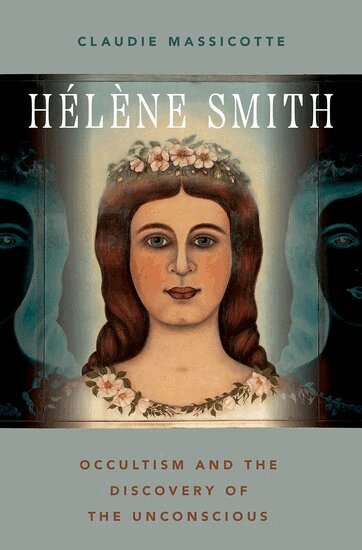
In 1896, a young Genevan medium named Hélène Smith perceived in trance the following words from a Martian inhabitant: "michma michtmon mimini thouainenm mimatchineg." Those attending her séance dutifully transcribed these words and the event marked the beginning of a series of occult experiences that transported her to the red planet. In her state of trance, Smith came to produce foreign conversations, a new alphabet, and paintings of the Martian surroundings that captured the popular and scientific imagination of Geneva. Alongside her Martian travels, she also retrieved memories of her past lives as a fifteenth-century "Hindoo" princess and as Queen Marie Antoinette.Today, Smith's séances may appear to be nothing more than eccentric practices at the margins of modernity. As author Claudie Massicotte argues, however, the medium came to embody the extreme possibilities of a new form of subjectivity, with her séances becoming important loci for pioneering authors' discoveries in psychology, linguistics, and the arts. Through analyses of archival documents, correspondences, and publications on the medium, Massicotte sheds light on the role of women in the construction of turn-of-the-century psychological discourses, showing how Smith challenged traditional representations of female patients as powerless victims and passive objects of powerful doctors. She shows how the medium became the site of conflicting theories about subjectivity--specifically one's relationship to embodiment, desire, language, art, and madness--while unleashing a radical form of creativity that troubled existing paradigms of modern sciences. Massicotte skillfully retraces the story of this prolific figure and the authors, scientists, and artists she inspired in order to bring to light a forgotten chapter in modern intellectual history.
Häftad, Engelska, 2023
409 kr
Skickas inom 5-8 vardagar
In 1896, a young Genevan medium named Hélène Smith perceived in trance the following words from a Martian inhabitant: "michma michtmon mimini thouainenm mimatchineg." Those attending her séance dutifully transcribed these words and the event marked the beginning of a series of occult experiences that transported her to the red planet. In her state of trance, Smith came to produce foreign conversations, a new alphabet, and paintings of the Martian surroundings that captured the popular and scientific imagination of Geneva. Alongside her Martian travels, she also retrieved memories of her past lives as a fifteenth-century "Hindoo" princess and as Queen Marie Antoinette.Today, Smith's séances may appear to be nothing more than eccentric practices at the margins of modernity. As author Claudie Massicotte argues, however, the medium came to embody the extreme possibilities of a new form of subjectivity, with her séances becoming important loci for pioneering authors' discoveries in psychology, linguistics, and the arts. Through analyses of archival documents, correspondences, and publications on the medium, Massicotte sheds light on the role of women in the construction of turn-of-the-century psychological discourses, showing how Smith challenged traditional representations of female patients as powerless victims and passive objects of powerful doctors. She shows how the medium became the site of conflicting theories about subjectivity--specifically one's relationship to embodiment, desire, language, art, and madness--while unleashing a radical form of creativity that troubled existing paradigms of modern sciences. Massicotte skillfully retraces the story of this prolific figure and the authors, scientists, and artists she inspired in order to bring to light a forgotten chapter in modern intellectual history.
E-bok
Engelska, 2023356 kr
Läs direkt efter köp
In 1896, a young Genevan medium named H?l?ne Smith perceived in trance the following words from a Martian inhabitant: "michma michtmon mimini thouainenm mimatchineg." Those attending her s?ance dutifully transcribed these words and the event marked the beginning of a series of occult experiences that transported her to the red planet. In her state of trance, Smith came to produce foreign conversations, a new alphabet, and paintings of the Martian surroundings that captured the popular and scientific imagination of Geneva. Alongside her Martian travels, she also retrieved memories of her past lives as a fifteenth-century "Hindoo" princess and as Queen Marie Antoinette.Today, Smith''s s?ances may appear to be nothing more than eccentric practices at the margins of modernity. As author Claudie Massicotte argues, however, the medium came to embody the extreme possibilities of a new form of subjectivity, with her s?ances becoming important loci for pioneering authors'' discoveries in psychology, linguistics, and the arts. Through analyses of archival documents, correspondences, and publications on the medium, Massicotte sheds light on the role of women in the construction of turn-of-the-century psychological discourses, showing how Smith challenged traditional representations of female patients as powerless victims and passive objects of powerful doctors. She shows how the medium became the site of conflicting theories about subjectivity--specifically one''s relationship to embodiment, desire, language, art, and madness--while unleashing a radical form of creativity that troubled existing paradigms of modern sciences. Massicotte skillfully retraces the story of this prolific figure and the authors, scientists, and artists she inspired in order to bring to light a forgotten chapter in modern intellectual history.
E-bok
PDF, Engelska, 2023356 kr
Läs direkt efter köp
In 1896, a young Genevan medium named H?l?ne Smith perceived in trance the following words from a Martian inhabitant: "michma michtmon mimini thouainenm mimatchineg." Those attending her s?ance dutifully transcribed these words and the event marked the beginning of a series of occult experiences that transported her to the red planet. In her state of trance, Smith came to produce foreign conversations, a new alphabet, and paintings of the Martian surroundings that captured the popular and scientific imagination of Geneva. Alongside her Martian travels, she also retrieved memories of her past lives as a fifteenth-century "Hindoo" princess and as Queen Marie Antoinette.Today, Smith''s s?ances may appear to be nothing more than eccentric practices at the margins of modernity. As author Claudie Massicotte argues, however, the medium came to embody the extreme possibilities of a new form of subjectivity, with her s?ances becoming important loci for pioneering authors'' discoveries in psychology, linguistics, and the arts. Through analyses of archival documents, correspondences, and publications on the medium, Massicotte sheds light on the role of women in the construction of turn-of-the-century psychological discourses, showing how Smith challenged traditional representations of female patients as powerless victims and passive objects of powerful doctors. She shows how the medium became the site of conflicting theories about subjectivity--specifically one''s relationship to embodiment, desire, language, art, and madness--while unleashing a radical form of creativity that troubled existing paradigms of modern sciences. Massicotte skillfully retraces the story of this prolific figure and the authors, scientists, and artists she inspired in order to bring to light a forgotten chapter in modern intellectual history.
E-bok
PDF, Engelska, 2017584 kr
Läs direkt efter köp
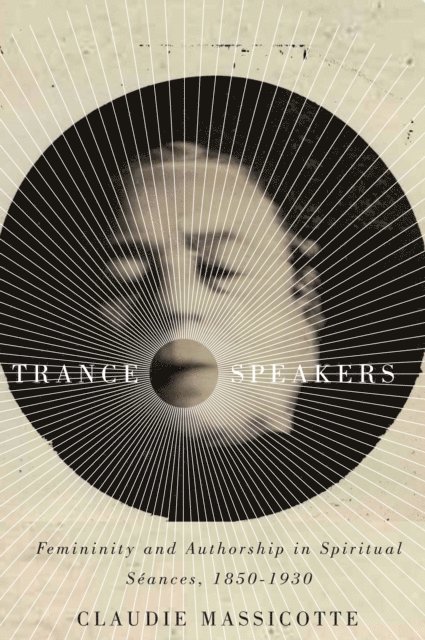
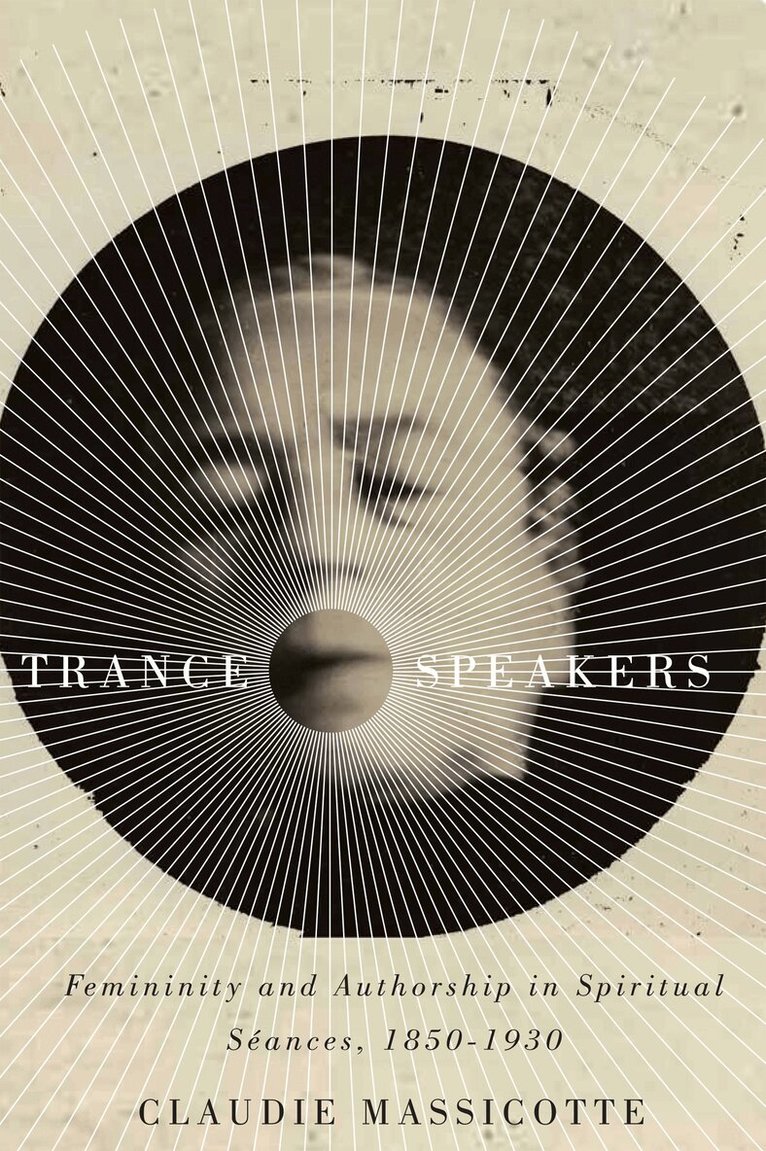
Few people know that Susanna Moodie participated in spiritual séances with her husband, Dunbar, and her sister, Catharine Parr Traill. Moodie, like many other women, found in her communications with the departed an important space to question her commitment to authorship and her understanding of femininity. Retracing the history of possession and mediumship among women following the emergence of spiritualism in mid-nineteenth-century Canada – and unearthing a vast collection of archival documents and photographs from séances – Claudie Massicotte pinpoints spiritualism as a site of conflict and gender struggle and redefines modern understandings of female agency. Trance Speakers offers a new feminist and psychoanalytical approach to the religious and creative practice of trance, arguing that by providing women with a voice for their conscious and unconscious desires, this phenomenon helped them resolve their inner struggles in a society that sought to confine their lives. Drawing attention to the fascinating history of spiritualism and its persistent appeal to women, Massicotte makes a strong case for moving this practice out of the margins of the past. A compelling new reading of spiritual possession as a response to conflicting interpretations of authorship, agency, and gender, Trance Speakers shines a much-needed light on women’s religious practices and on the history of spiritualist traditions and travels across North America and Europe.
E-bok
Engelska, 2017605 kr
Läs direkt efter köp
Few people know that Susanna Moodie participated in spiritual séances with her husband, Dunbar, and her sister, Catharine Parr Traill. Moodie, like many other women, found in her communications with the departed an important space to question her commitment to authorship and her understanding of femininity. Retracing the history of possession and mediumship among women following the emergence of spiritualism in mid-nineteenth-century Canada – and unearthing a vast collection of archival documents and photographs from séances – Claudie Massicotte pinpoints spiritualism as a site of conflict and gender struggle and redefines modern understandings of female agency. Trance Speakers offers a new feminist and psychoanalytical approach to the religious and creative practice of trance, arguing that by providing women with a voice for their conscious and unconscious desires, this phenomenon helped them resolve their inner struggles in a society that sought to confine their lives. Drawing attention to the fascinating history of spiritualism and its persistent appeal to women, Massicotte makes a strong case for moving this practice out of the margins of the past. A compelling new reading of spiritual possession as a response to conflicting interpretations of authorship, agency, and gender, Trance Speakers shines a much-needed light on women’s religious practices and on the history of spiritualist traditions and travels across North America and Europe.