D. Renton – författare
Visar alla böcker från författaren D. Renton. Handla med fri frakt och snabb leverans.
8 produkter
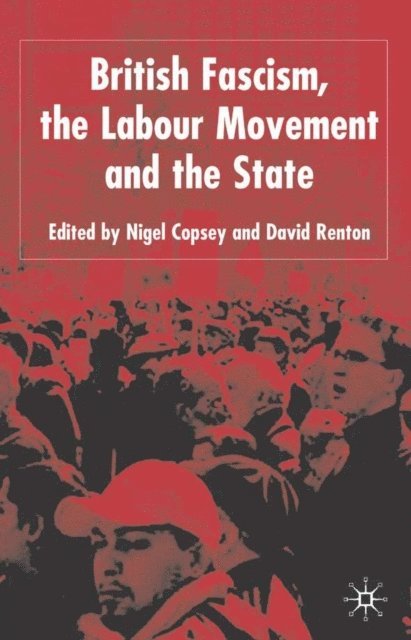
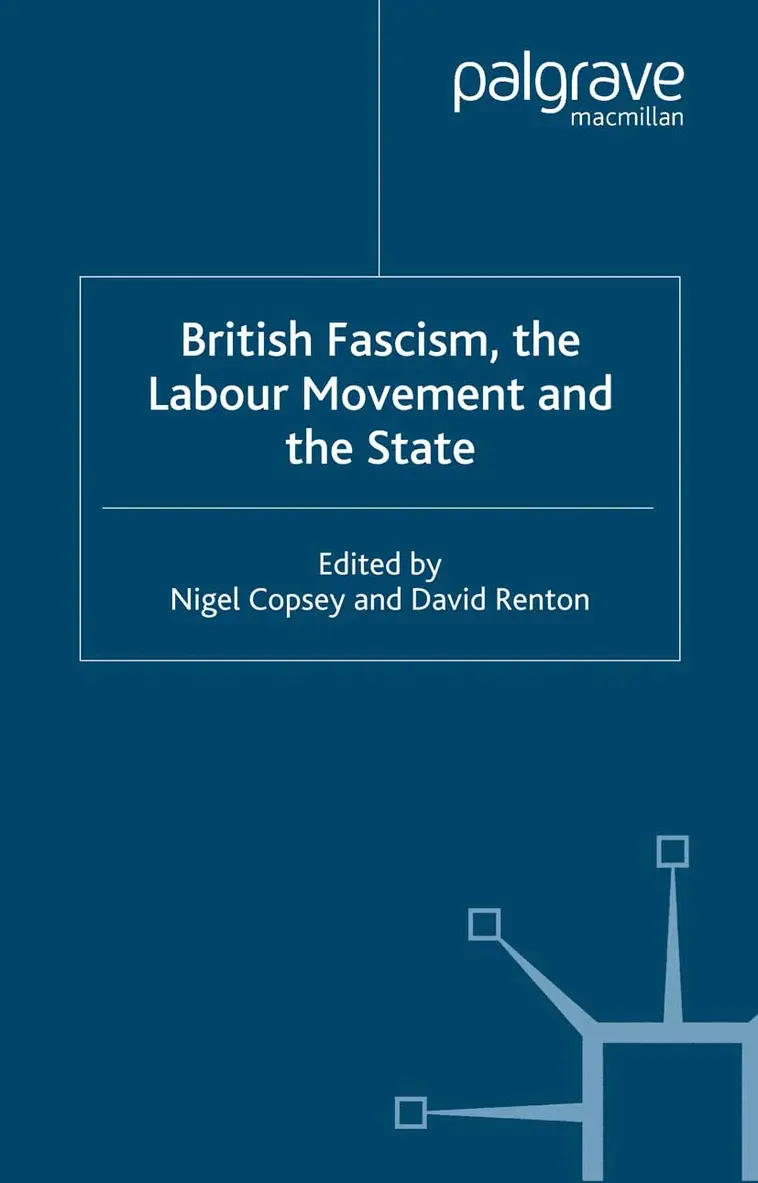
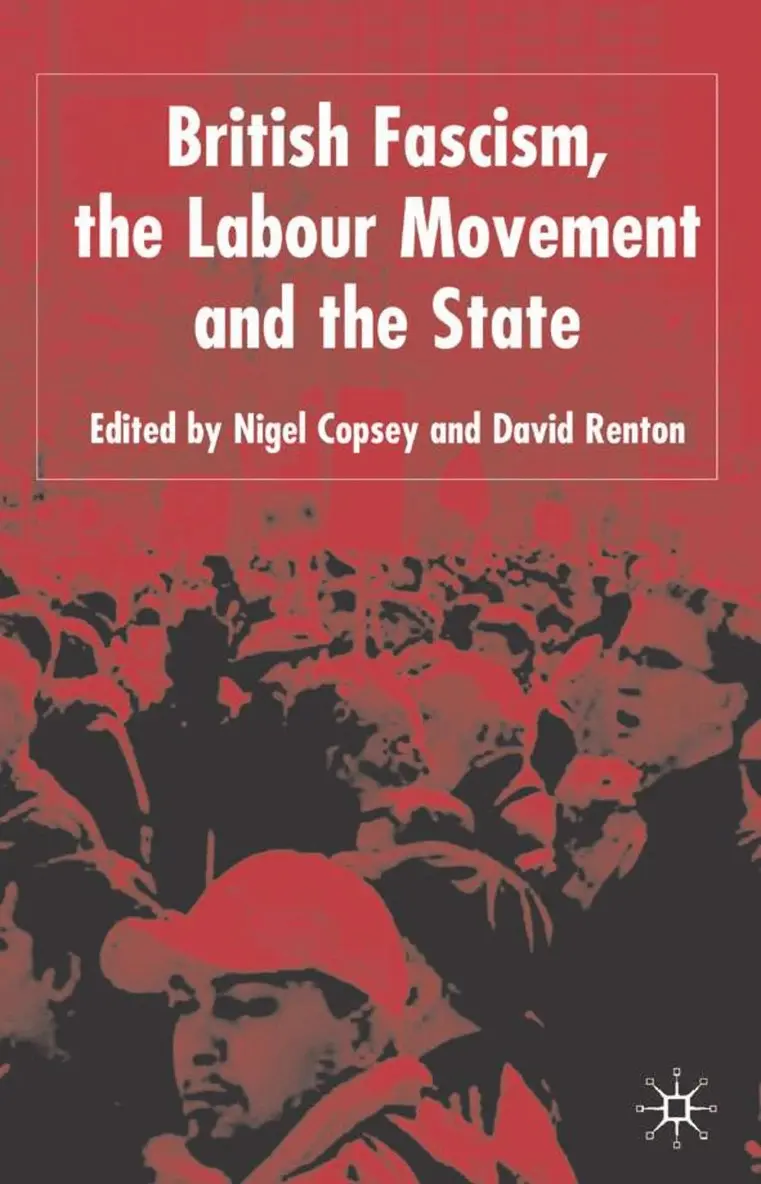
British Fascism, the Labour Movement and the State
E-bok, 2005
1596 kr
Lägg i varukorg
Considerable attention has been paid to far-right parties and their leaders, Oswald Mosley, A. K. Chesterton, John Tyndall and Nick Griffin. But what about the forces that have been organised in opposition to fascism in Britain? British Fascism, the Labour Movement and the State brings together the …
Fascism, Anti-Fascism and Britain in the 1940s
Av D. Renton
E-bok, 2016
1596 kr
Lägg i varukorg
Despite the Second World War and the Holocaust, postwar Britain was not immune to fascism. By 1948, a large and confident fascist movement had been established, with a strong network of local organisers and public speakers, and an audience of thousands. However, within two years the fascists had …
Fascism, Anti-Fascism and Britain in the 1940s
Av D. Renton
Inbunden, 2000
1126 kr
Lägg i varukorg
Despite the Second World War and the Holocaust, postwar Britain was not immune to fascism. By 1948, a large and confident fascist movement had been established, with a strong network of local organisers and public speakers, and an audience of thousands. However, within two years the fascists had …
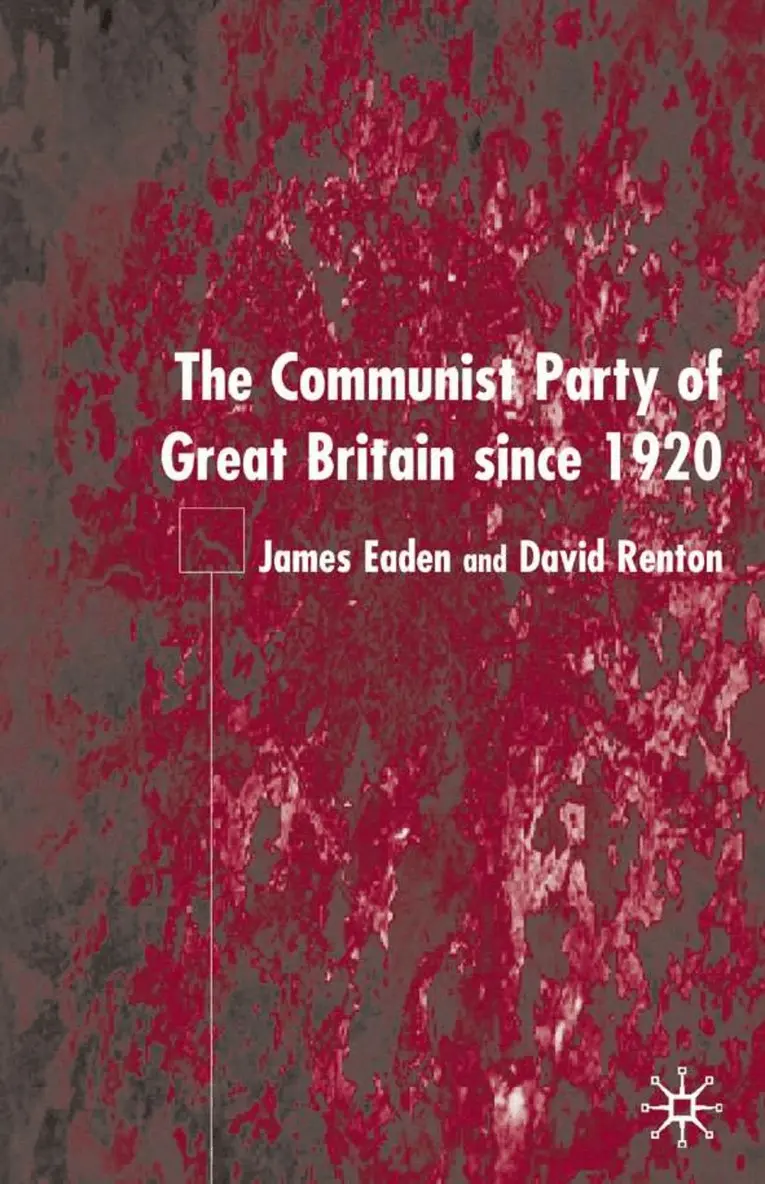
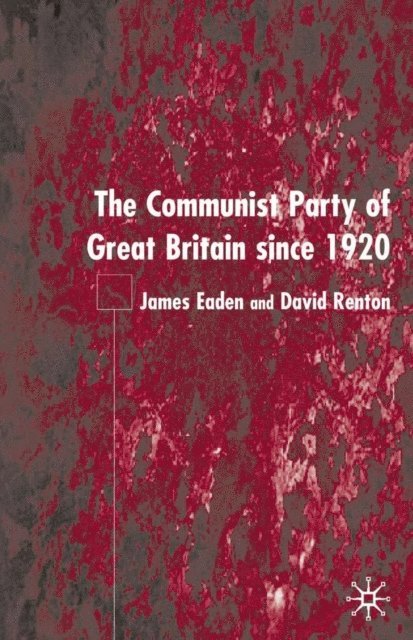
Communist Party of Great Britain Since 1920
Inbunden, 2002
1126 kr
Lägg i varukorg
A new single volume history of the Communist Party of Great Britain examining the party from its foundations in 1920 to its demise in the early 1990s. Drawing on original research and a reading of specialist texts, the authors analyze the rise and fall of the party and evaluate its role on the left …
Communist Party of Great Britain Since 1920
Häftad, 2002
1126 kr
Lägg i varukorg
A new single volume history of the Communist Party of Great Britain examining the party from its foundations in 1920 to its demise in the early 1990s. Drawing on original research and a reading of specialist texts, the authors analyze the rise and fall of the party and evaluate its role on the left …
British Fascism, the Labour Movement and the State
Häftad, 2005
1126 kr
Lägg i varukorg
Considerable attention has been paid to far-right parties and their leaders, Oswald Mosley, A. K. Chesterton, John Tyndall and Nick Griffin. But what about the forces that have been organised in opposition to fascism in Britain? British Fascism, the Labour Movement and the State brings together the …
Communist Party of Great Britain Since 1920
E-bok, 2002
1550 kr
Lägg i varukorg
A new single volume history of the Communist Party of Great Britain examining the party from its foundations in 1920 to its demise in the early 1990s. Drawing on original research and a reading of specialist texts, the authors analyze the rise and fall of the party and evaluate its role on the left …
British Fascism, the Labour Movement and the State
Inbunden, 2005
1093 kr
Lägg i varukorg
Considerable attention has been paid to far-right parties and their leaders, Oswald Mosley, A. K. Chesterton, John Tyndall and Nick Griffin. But what about the forces that have been organised in opposition to fascism in Britain? British Fascism, the Labour Movement and the State brings together the …