David J. Horne – författare
Visar alla böcker från författaren David J. Horne. Handla med fri frakt och snabb leverans.
4 produkter
4 produkter
Inbunden, Engelska, 2000
1 633 kr
Skickas inom 10-15 vardagar
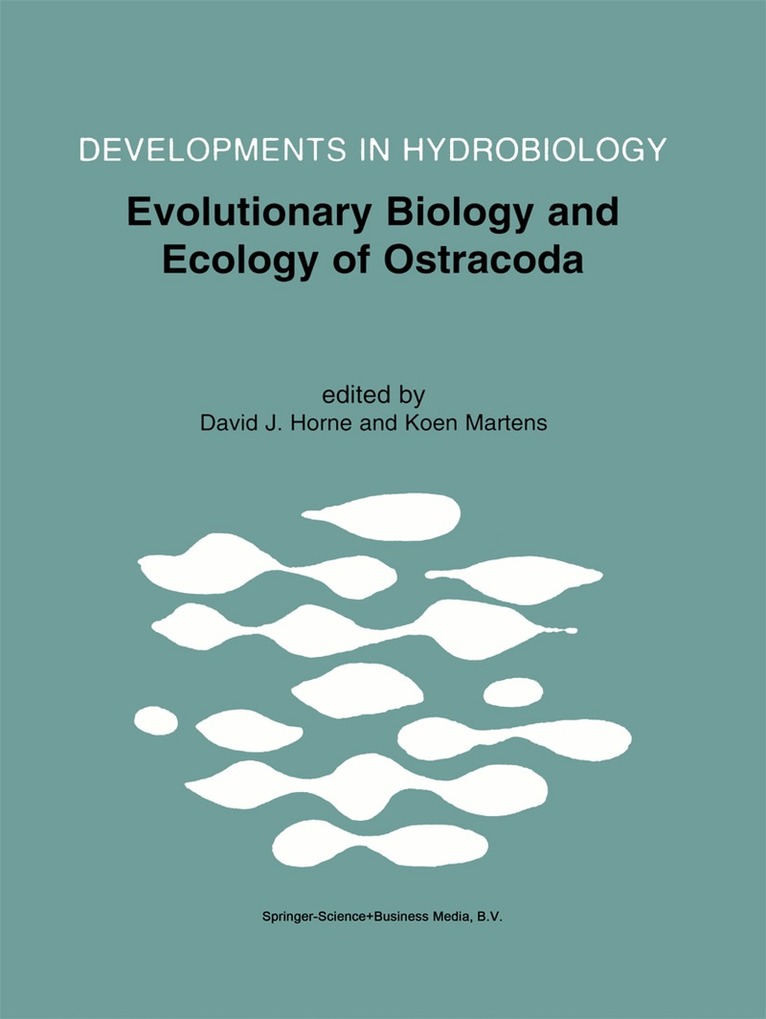
Ostracoda (Crustacea) are potentially excellent model organisms for evolutionary studies, because they combine an extensive fossil record with a wide recent distribution and therefore allow studies on both patterns and processes leading to extant diversity. The main scientific domains contributing theories, concepts, and data to evolutionary biology are morphology (including ontogeny), palaeontology, genetics, and ecology, and to all of these aspects ostracods can contribute. This is clearly illustrated by the fifteen papers presented under Theme 3 of the 13th International Symposium on Ostracoda (Chatham, UK) in 1997 which are grouped in the present proceedings, one of three volumes resulting from this meeting. The contributions deal with the evolution of both extant and fossil forms (including most of the Phanaerozoic), ecology of both marine and freshwater taxa, and (developmental) morphology of both soft parts and valves. Although the canvas is wide, each paper clearly shows how studies on Ostracoda can be relevant to general theory on evolutionary biology and ecology.
Häftad, Engelska, 2005
194 kr
Skickas inom 5-8 vardagar
Häftad, Engelska, 2010
1 635 kr
Skickas inom 10-15 vardagar
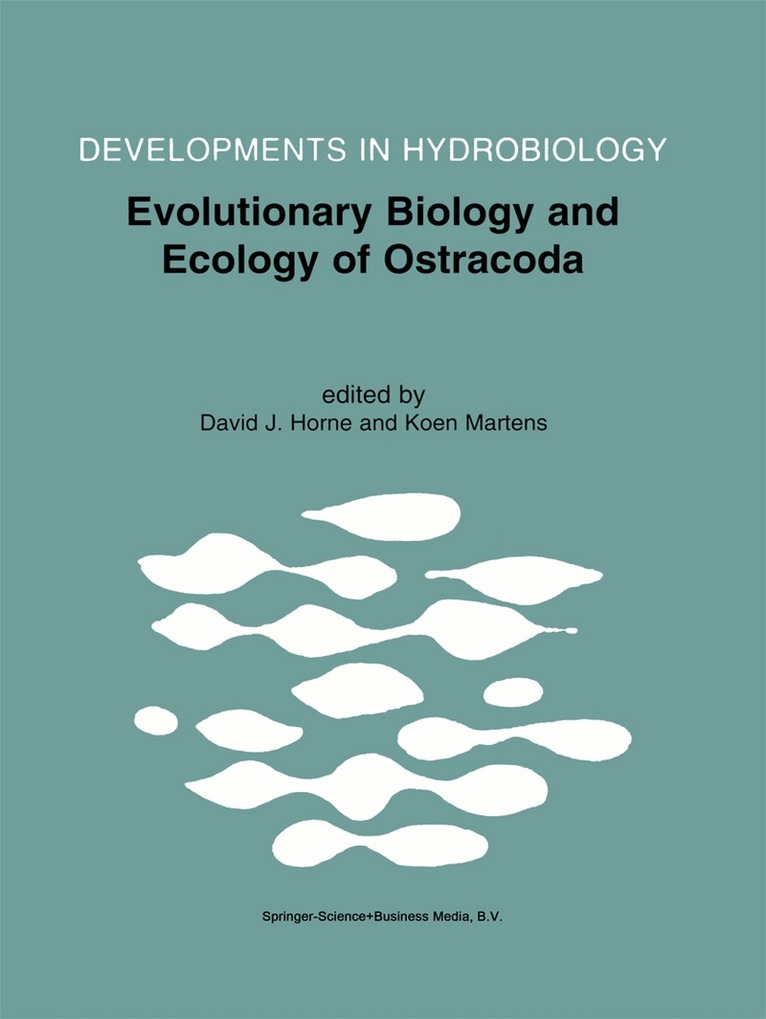
Ostracoda (Crustacea) are potentially excellent model organisms for evolutionary studies, because they combine an extensive fossil record with a wide recent distribution and therefore allow studies on both patterns and processes leading to extant diversity. The main scientific domains contributing theories, concepts, and data to evolutionary biology are morphology (including ontogeny), palaeontology, genetics, and ecology, and to all of these aspects ostracods can contribute. This is clearly illustrated by the fifteen papers presented under Theme 3 of the 13th International Symposium on Ostracoda (Chatham, UK) in 1997 which are grouped in the present proceedings, one of three volumes resulting from this meeting. The contributions deal with the evolution of both extant and fossil forms (including most of the Phanaerozoic), ecology of both marine and freshwater taxa, and (developmental) morphology of both soft parts and valves. Although the canvas is wide, each paper clearly shows how studies on Ostracoda can be relevant to general theory on evolutionary biology and ecology.
E-bok
PDF, Engelska, 20131 977 kr
Läs direkt efter köp
Ostracoda (Crustacea) are potentially excellent model organisms for evolutionary studies, because they combine an extensive fossil record with a wide recent distribution and therefore allow studies on both patterns and processes leading to extant diversity. The main scientific domains contributing theories, concepts, and data to evolutionary biology are morphology (including ontogeny), palaeontology, genetics, and ecology, and to all of these aspects ostracods can contribute. This is clearly illustrated by the fifteen papers presented under Theme 3 of the 13th International Symposium on Ostracoda (Chatham, UK) in 1997 which are grouped in the present proceedings, one of three volumes resulting from this meeting. The contributions deal with the evolution of both extant and fossil forms (including most of the Phanaerozoic), ecology of both marine and freshwater taxa, and (developmental) morphology of both soft parts and valves. Although the canvas is wide, each paper clearly shows how studies on Ostracoda can be relevant to general theory on evolutionary biology and ecology.