David P. Cline – författare
Visar alla böcker från författaren . Handla med fri frakt och snabb leverans.
10 produkter
10 produkter
E-bok
Engelska, 201144 kr
Läs direkt efter köp
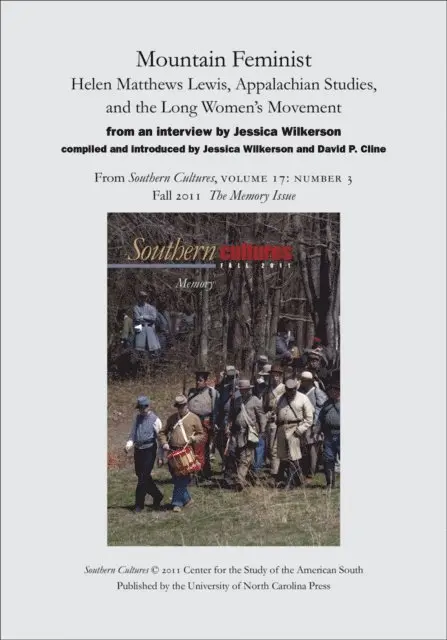
Voices from the Southern Oral History Program Mountain FeministHelen Matthews Lewis, Appalachian Studies, and the Long Women''s Movementfrom an interview by Jessica Wilkersoncompiled and introduced by Jessica Wilkerson and David P. ClineThe "Grandmother of Appalachian Studies" reveals the parallels between the Civil Rights and Women''s movements, as well as her highly ambivalent feelings about her own marriage—and much more."They didn''t take us to jail. They pulled us out individually, and the policeman said to me, ''What would your daddy think if he saw you dancing with a nigger?''"
Inbunden, Engelska, 2016
1 156 kr
Skickas inom 10-15 vardagar
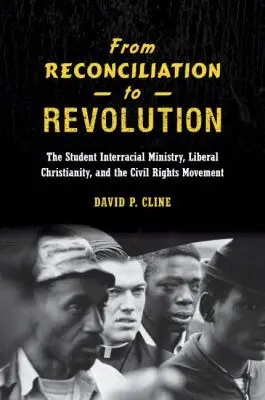
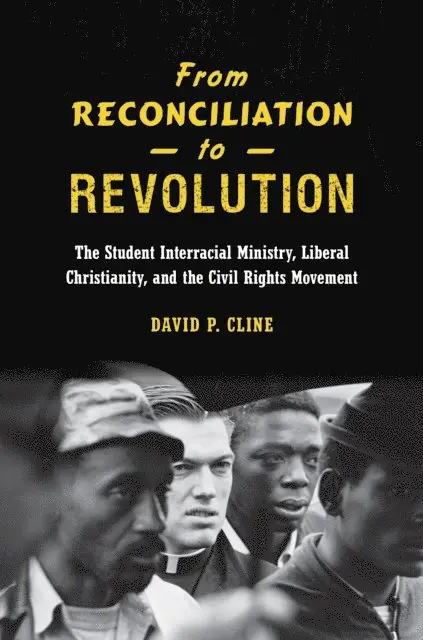
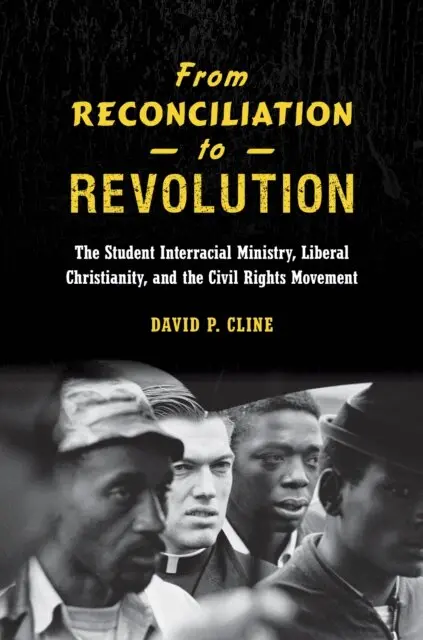
Conceived at the same conference that produced the Student NonviolentCoordinating Committee (SNCC), the Student Interracial Ministry (SIM)was a national organisation devoted to dismantling Jim Crow while simultaneouslyadvancing American churches’ approach to race. In this book, DavidP. Cline details how, between the founding of SIM in 1960 and its dissolutionat the end of the decade, the seminary students who created and ranthe organisation influenced hundreds of thousands of community membersthrough its various racial reconciliation and economic justice projects. Frominner-city ministry in Oakland to voter registration drives in southwesternGeorgia, participants modeled peaceful inter racialism nationwide. By tellingthe history of SIM—its theology, influences, and failures—Cline situates SIMwithin two larger frameworks: the long civil rights movement and the evenlonger tradition of liberal Christianity’s activism for social reform.Pulling SIM from the shadow of its more famous twin, SNCC, Clinesheds light on an understudied facet of the movement’s history. In doing so,he provokes an appreciation of the struggle of churches to remain relevantin swiftly changing times and shows how seminarians responded to institutionalconservatism by challenging the establishment to turn toward politicalactivism.
Häftad, Engelska, 2016
376 kr
Skickas inom 10-15 vardagar
Conceived at the same conference that produced the Student NonviolentCoordinating Committee (SNCC), the Student Interracial Ministry (SIM)was a national organisation devoted to dismantling Jim Crow while simultaneouslyadvancing American churches’ approach to race. In this book, DavidP. Cline details how, between the founding of SIM in 1960 and its dissolutionat the end of the decade, the seminary students who created and ranthe organisation influenced hundreds of thousands of community membersthrough its various racial reconciliation and economic justice projects. Frominner-city ministry in Oakland to voter registration drives in southwesternGeorgia, participants modeled peaceful inter racialism nationwide. By tellingthe history of SIM—its theology, influences, and failures—Cline situates SIMwithin two larger frameworks: the long civil rights movement and the evenlonger tradition of liberal Christianity’s activism for social reform.Pulling SIM from the shadow of its more famous twin, SNCC, Clinesheds light on an understudied facet of the movement’s history. In doing so,he provokes an appreciation of the struggle of churches to remain relevantin swiftly changing times and shows how seminarians responded to institutionalconservatism by challenging the establishment to turn toward politicalactivism.
E-bok
Engelska, 2016404 kr
Läs direkt efter köp
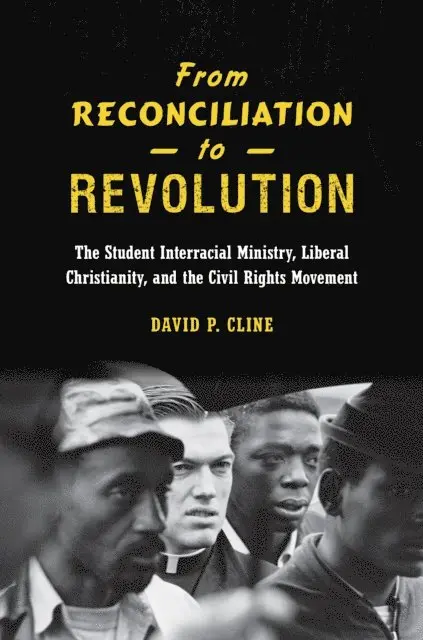
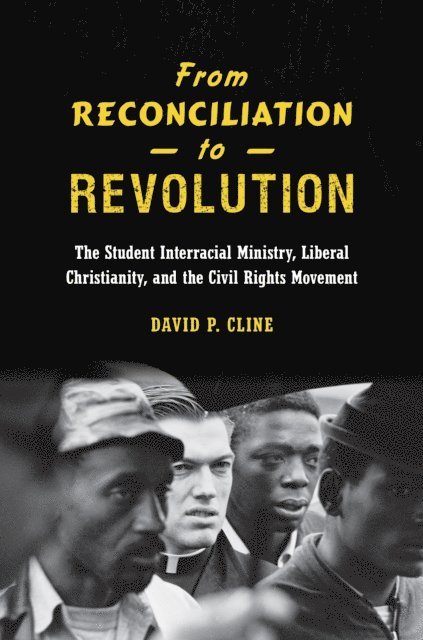
Conceived at the same conference that produced the Student Nonviolent Coordinating Committee (SNCC), the Student Interracial Ministry (SIM) was a national organization devoted to dismantling Jim Crow while simultaneously advancing American Protestant mainline churches'' approach to race. In this book, David P. Cline details how, between the founding of SIM in 1960 and its dissolution at the end of the decade, the seminary students who created and ran the organization influenced hundreds of thousands of community members through its various racial reconciliation and economic justice projects. From inner-city ministry in Oakland to voter registration drives in southwestern Georgia, participants modeled peaceful interracialism nationwide. By telling the history of SIM--its theology, influences, and failures--Cline situates SIM within two larger frameworks: the long civil rights movement and the even longer tradition of liberal Christianity''s activism for social reform.Pulling SIM from the shadow of its more famous twin, SNCC, Cline sheds light on an understudied facet of the movement''s history. In doing so, he provokes an appreciation of the struggle of churches to remain relevant in swiftly changing times and shows how seminarians responded to institutional conservatism by challenging the establishment to turn toward political activism.
E-bok
Engelska, 20161 928 kr
Läs direkt efter köp
Conceived at the same conference that produced the Student Nonviolent Coordinating Committee (SNCC), the Student Interracial Ministry (SIM) was a national organization devoted to dismantling Jim Crow while simultaneously advancing American Protestant mainline churches'' approach to race. In this book, David P. Cline details how, between the founding of SIM in 1960 and its dissolution at the end of the decade, the seminary students who created and ran the organization influenced hundreds of thousands of community members through its various racial reconciliation and economic justice projects. From inner-city ministry in Oakland to voter registration drives in southwestern Georgia, participants modeled peaceful interracialism nationwide. By telling the history of SIM--its theology, influences, and failures--Cline situates SIM within two larger frameworks: the long civil rights movement and the even longer tradition of liberal Christianity''s activism for social reform.Pulling SIM from the shadow of its more famous twin, SNCC, Cline sheds light on an understudied facet of the movement''s history. In doing so, he provokes an appreciation of the struggle of churches to remain relevant in swiftly changing times and shows how seminarians responded to institutional conservatism by challenging the establishment to turn toward political activism.
Inbunden, Engelska, 2022
398 kr
Skickas inom 3-6 vardagar
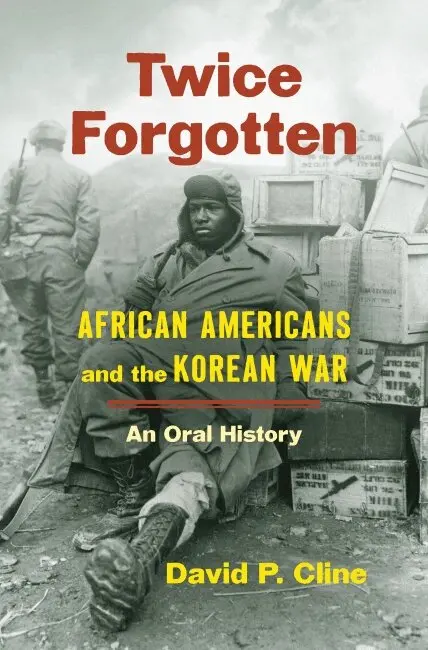
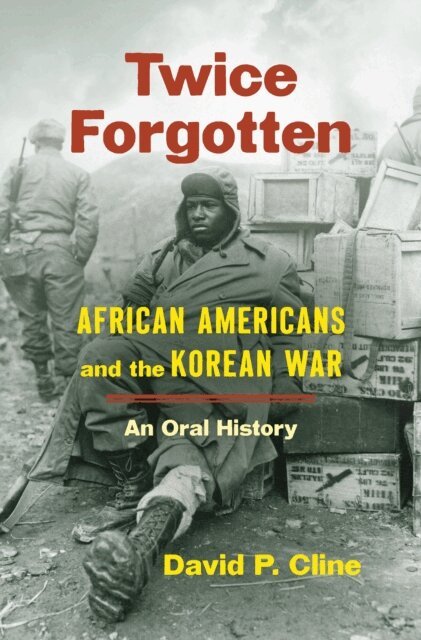
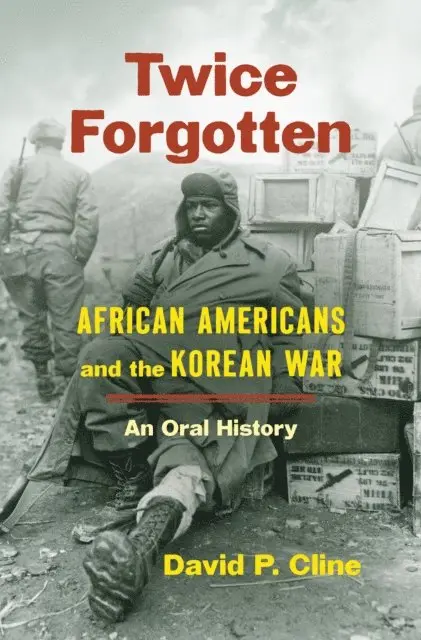
Journalists began to call the Korean War "the Forgotten War" even before it ended. Without a doubt, the most neglected story of this already-neglected war is that of African Americans who served just two years after Harry S. Truman ordered the desegregation of the military. Twice Forgotten draws on oral histories of Black Korean War veterans to recover the story of their contributions to the fight, the reality that the military& desegregated in fits and starts, and how veterans' service fits into the long history of the Black freedom struggle. This collection of seventy oral histories, drawn from across the country, features interviews conducted by the author and his colleagues for their 2003 American Radio Works documentary, Korea: The Unfinished War, which examines the conflict as experienced by the approximately 600,000 Black men and women who served. It also includes narratives from other sources, including the Library of Congress's visionary Veterans History Project. In their own voices, soldiers and sailors and flyers tell the story of what it meant, how it felt, and what it cost them to fight for the freedom abroad that was too often denied them at home.
E-bok
PDF, Engelska, 2021328 kr
Läs direkt efter köp
Journalists began to call the Korean War “the Forgotten War” even before it ended. Without a doubt, the most neglected story of this already neglected war is that of African Americans who served just two years after Harry S. Truman ordered the desegregation of the military. Twice Forgotten draws on oral histories of Black Korean War veterans to recover the story of their contributions to the fight, the reality that the military desegregated in fits and starts, and how veterans’ service fits into the long history of the Black freedom struggle.This collection of seventy oral histories, drawn from across the country, features interviews conducted by the author and his colleagues for their American Radio Works documentary, Korea: The Unfinished War, which examines the conflict as experienced by the approximately 600,000 Black men and women who served. It also includes narratives from other sources, including the Library of Congress’s visionary Veterans History Project. In their own voices, soldiers and sailors and flyers tell the story of what it meant, how it felt, and what it cost them to fight for the freedom abroad that was too often denied them at home.
E-bok
PDF, Engelska, 20221 722 kr
Läs direkt efter köp
Journalists began to call the Korean War “the Forgotten War” even before it ended. Without a doubt, the most neglected story of this already neglected war is that of African Americans who served just two years after Harry S. Truman ordered the desegregation of the military. Twice Forgotten draws on oral histories of Black Korean War veterans to recover the story of their contributions to the fight, the reality that the military desegregated in fits and starts, and how veterans’ service fits into the long history of the Black freedom struggle.This collection of seventy oral histories, drawn from across the country, features interviews conducted by the author and his colleagues for their American Radio Works documentary, Korea: The Unfinished War, which examines the conflict as experienced by the approximately 600,000 Black men and women who served. It also includes narratives from other sources, including the Library of Congress’s visionary Veterans History Project. In their own voices, soldiers and sailors and flyers tell the story of what it meant, how it felt, and what it cost them to fight for the freedom abroad that was too often denied them at home.
E-bok
PDF, Engelska, 2016269 kr
Läs direkt efter köp
Conceived at the same conference that produced the Student Nonviolent Coordinating Committee (SNCC), the Student Interracial Ministry (SIM) was a national organization devoted to dismantling Jim Crow while simultaneously advancing American Protestant mainline churches'' approach to race. In this book, David P. Cline details how, between the founding of SIM in 1960 and its dissolution at the end of the decade, the seminary students who created and ran the organization influenced hundreds of thousands of community members through its various racial reconciliation and economic justice projects. From inner-city ministry in Oakland to voter registration drives in southwestern Georgia, participants modeled peaceful interracialism nationwide. By telling the history of SIM--its theology, influences, and failures--Cline situates SIM within two larger frameworks: the long civil rights movement and the even longer tradition of liberal Christianity''s activism for social reform.Pulling SIM from the shadow of its more famous twin, SNCC, Cline sheds light on an understudied facet of the movement''s history. In doing so, he provokes an appreciation of the struggle of churches to remain relevant in swiftly changing times and shows how seminarians responded to institutional conservatism by challenging the establishment to turn toward political activism.
E-bok
PDF, Engelska, 20161 520 kr
Läs direkt efter köp
Conceived at the same conference that produced the Student Nonviolent Coordinating Committee (SNCC), the Student Interracial Ministry (SIM) was a national organization devoted to dismantling Jim Crow while simultaneously advancing American Protestant mainline churches'' approach to race. In this book, David P. Cline details how, between the founding of SIM in 1960 and its dissolution at the end of the decade, the seminary students who created and ran the organization influenced hundreds of thousands of community members through its various racial reconciliation and economic justice projects. From inner-city ministry in Oakland to voter registration drives in southwestern Georgia, participants modeled peaceful interracialism nationwide. By telling the history of SIM--its theology, influences, and failures--Cline situates SIM within two larger frameworks: the long civil rights movement and the even longer tradition of liberal Christianity''s activism for social reform.Pulling SIM from the shadow of its more famous twin, SNCC, Cline sheds light on an understudied facet of the movement''s history. In doing so, he provokes an appreciation of the struggle of churches to remain relevant in swiftly changing times and shows how seminarians responded to institutional conservatism by challenging the establishment to turn toward political activism.