David Wippman – författare
Visar alla böcker från författaren . Handla med fri frakt och snabb leverans.
3 produkter
3 produkter
Häftad, Engelska, 2006
527 kr
Skickas inom 7-10 vardagar
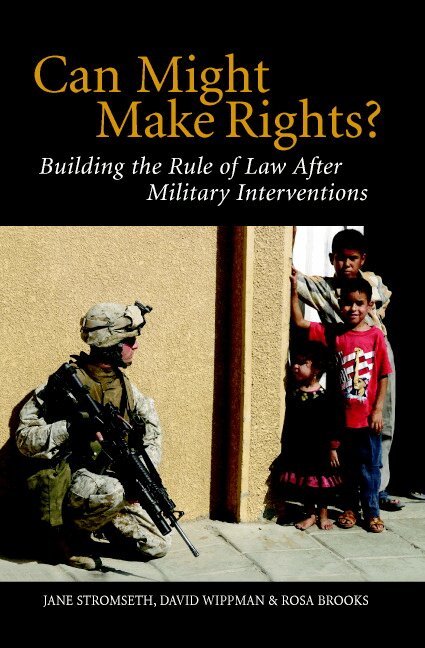
This book looks at why it's so difficult to create 'the rule of law' in post-conflict societies such as Iraq and Afghanistan, and offers critical insights into how policy-makers and field-workers can improve future rule of law efforts. A must-read for policy-makers, field-workers, journalists and students trying to make sense of the international community's problems in Iraq and elsewhere, this book shows how a narrow focus on building institutions such as courts and legislatures misses the more complex cultural issues that affect societal commitment to the values associated with the rule of law. The authors place the rule of law in context, showing the interconnectedness between the rule of law and other post-conflict priorities, such as reestablishing security. The authors outline a pragmatic, synergistic approach to the rule of law which promises to reinvigorate debates about transitions to democracy and post-conflict reconstruction.
Inbunden, Engelska, 2006
650 kr
Skickas inom 7-10 vardagar
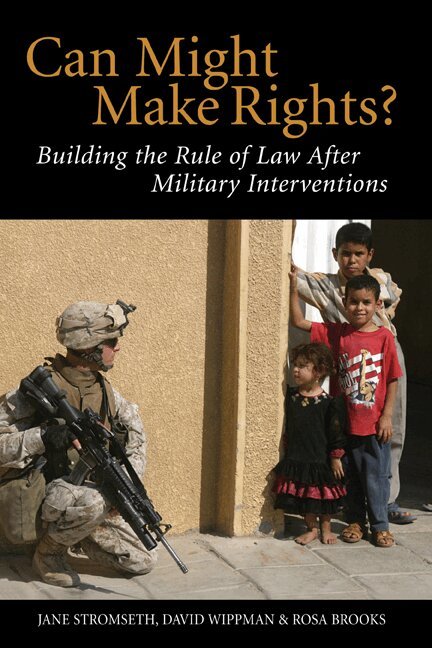
This book looks at why it's so difficult to create 'the rule of law' in post-conflict societies such as Iraq and Afghanistan, and offers critical insights into how policy-makers and field-workers can improve future rule of law efforts. A must-read for policy-makers, field-workers, journalists and students trying to make sense of the international community's problems in Iraq and elsewhere, this book shows how a narrow focus on building institutions such as courts and legislatures misses the more complex cultural issues that affect societal commitment to the values associated with the rule of law. The authors place the rule of law in context, showing the interconnectedness between the rule of law and other post-conflict priorities, such as reestablishing security. The authors outline a pragmatic, synergistic approach to the rule of law which promises to reinvigorate debates about transitions to democracy and post-conflict reconstruction.
Inbunden, Engelska, 1998
1 033 kr
Skickas inom 10-15 vardagar
The breakup of the former Yugoslavia demonstrates the limitations of international law in the face of ethnic conflict. The contributors to this book examine the various roles international law and international institutions play in dealing with ethnic conflict. International Law and Ethnic Conflict first covers general philosophical, historical, and cultural issues arising from attempts to apply international law to ethnic conflict. The authors assess the legitimacy of demands based on group identity, the legal rights of ethnic groups, the validity of various entitlement claims, and the meaning of statehood. They then consider the institutional and policy responses of international organizations and states in their attempts to deal with ethnic conflict and analyze the extent to which various forms of intervention prove successful.