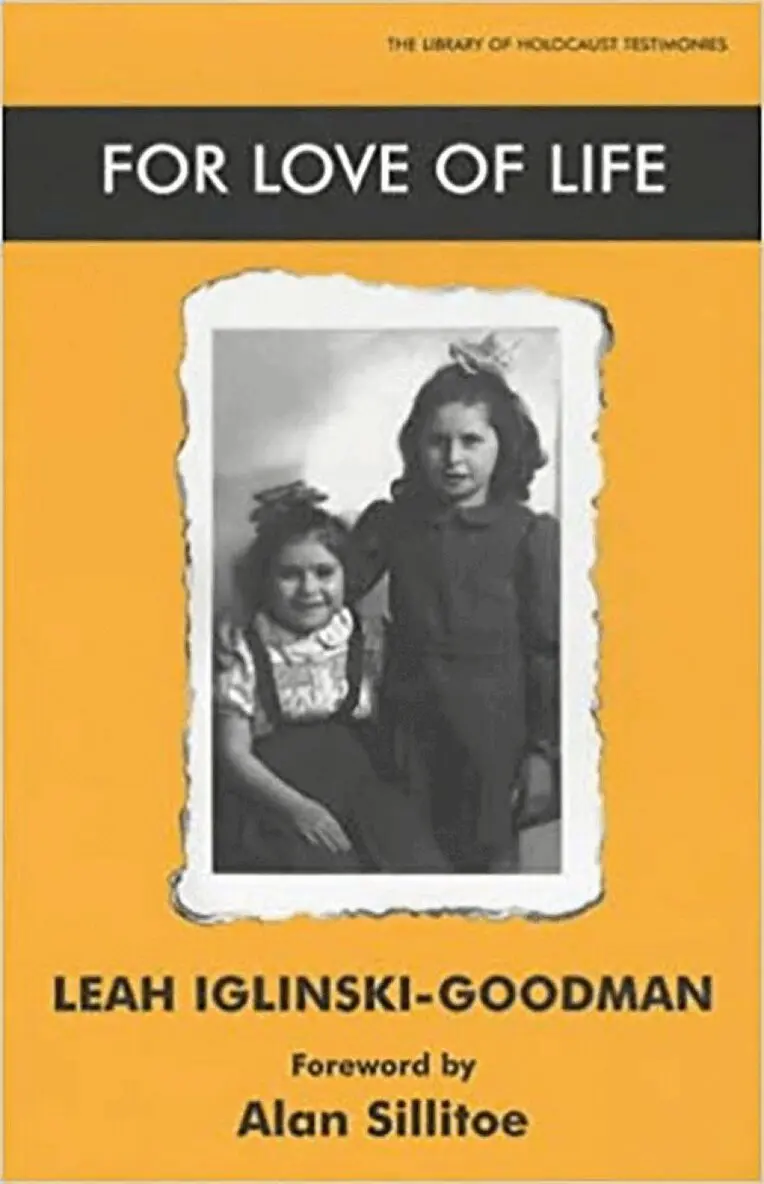
During the Nazi occupation of Belgium in 1942, Leah, aged three, and her older sister, Sylvia, aged seven, were hidden in a convent cellar. Their mother reassured Sylvia that at the end of the war she would be re-united with them. Sylvia had also been instructed to keep alive for both girls the spirit of what had been their joyful extended family, and their inherent Jewish background.
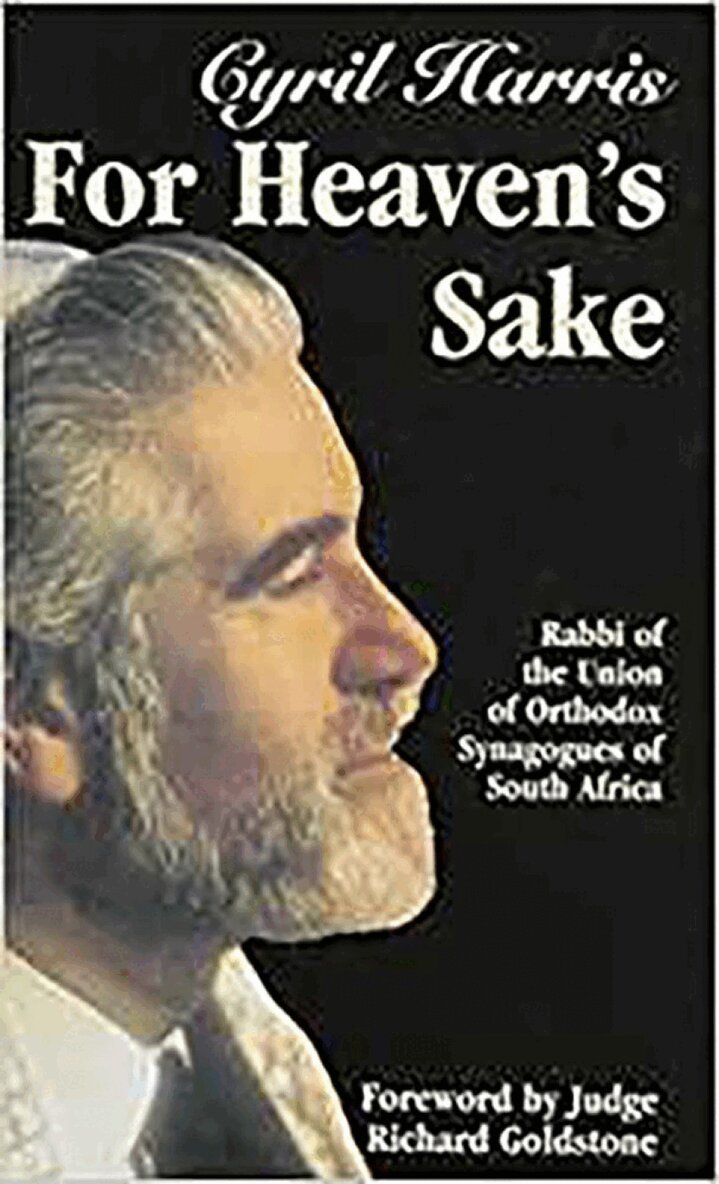
Rabbi Cyril Harris has has a huge impact on Jewish life wherever he has ministered to Orthodox Jewry. Indeed his influence has extended far beyond the various communities that he has served; there is no question that, today he must be considered among the most influential Jews in Rabbinical circles. For Heaven's Sake: The Chief Rabbi's Diary is an insightful, compassionate and properly inspired look at Jewish life in it's many forms. To call it a book of pastoral musings or reflections would do it an injustice. Similarly, the Rabbi's observations and comments go far beyond our conventional idea of a diary. The Rabbi has never been shy or lacking a sense of humour. His book reflects his critical, questioning mind at every turn; it is imbued throughout with his amused regard for the world at large and his wide ranging flock in particular. On every page the warmth of the man and his deeply held spiritual conviction shine through. Rabbi Harris has the gift of the born story teller. He writes in a style accessible to Jew and non-Jew alike. His message is that of humanity's concern for one another; each story carries with it a principle of care. Rabbi Harris has played an important role in the new, transforming and reforming South Africa. He has given a rabbinic sanction to the principles of political activism that opposed Apartheid and combined to side with the forces of change for a non-racial democracy. The Chief Rabbi's diary skillfully pulls together the religious and spiritual life of a man of God and the temporal convictions of a man who cares deeply about the plight of others - whoever they might be. It resonates with the Jewish toast: To Life!
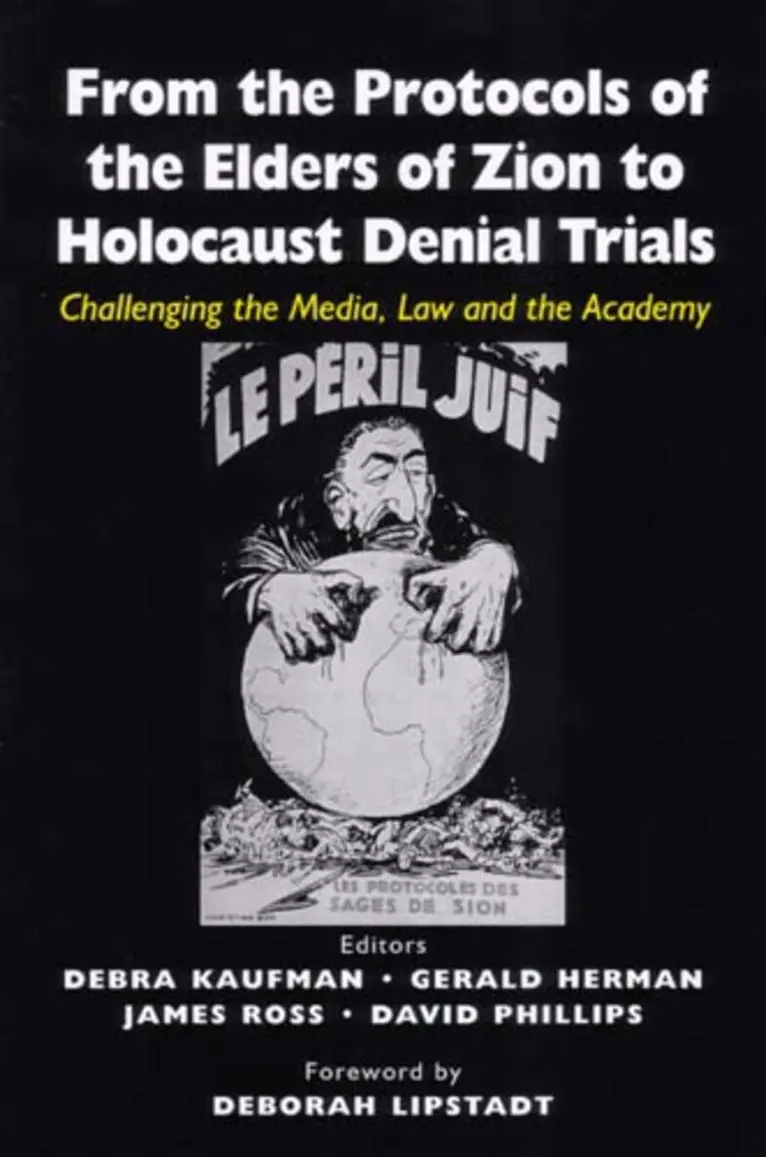
Reacting to the Irving / Lipstadt trial, the editors of this volume sought to use this latest trial as a catalyst to investigate the larger question that arose from what is now a century of invective and defense: how do we determine the truth claims made for (or by, or against) the Holocaust in various media from outright forgeries like the "Protocols of the 'Elders of Zion'" to negationist literature to the legal trials held to adjudicate such claims. In this series of short essays, each author explores the methods and assumptions within their disciplines that frame the way in which we come to understand the racism and anti-Semitism which rest beneath Holocaust denial. As teachers of college and graduate courses on the Holocaust, faced with proliferating print and web based assertions and re-assertions of premises whose veracity had long since been disproved (e.g., Protocols of Zion), we feel it important to provide our students and colleagues with a text that would step back from the Holocaust itself to the broader question: why do these invectives persist despite legal verdicts, historical renunciation and "objective" reporting. In this manner, as part of their study of specific Holocaust related issues, students could confront the methods by which assertions related to the fate of Jews in the Twentieth Century have been asserted, struggled over, and fixed in the law, in historical canon, and in the popular imagination. By focusing on those moments when the truth claims of those assertions are subjected to public tests, such as the trials we focus upon in this volume, we can serve this larger purpose.
During the Nazi occupation of Belgium in 1942, Leah, aged three, and her older sister, Sylvia, aged seven, were hidden in a convent cellar. Their mother reassured Sylvia that at the end of the war she would be re-united with them. Sylvia had also been instructed to keep alive for both girls the spirit of what had been their joyful extended family, and their inherent Jewish background.
Rabbi Cyril Harris has has a huge impact on Jewish life wherever he has ministered to Orthodox Jewry. Indeed his influence has extended far beyond the various communities that he has served; there is no question that, today he must be considered among the most influential Jews in Rabbinical circles. For Heaven's Sake: The Chief Rabbi's Diary is an insightful, compassionate and properly inspired look at Jewish life in it's many forms. To call it a book of pastoral musings or reflections would do it an injustice. Similarly, the Rabbi's observations and comments go far beyond our conventional idea of a diary. The Rabbi has never been shy or lacking a sense of humour. His book reflects his critical, questioning mind at every turn; it is imbued throughout with his amused regard for the world at large and his wide ranging flock in particular. On every page the warmth of the man and his deeply held spiritual conviction shine through. Rabbi Harris has the gift of the born story teller. He writes in a style accessible to Jew and non-Jew alike. His message is that of humanity's concern for one another; each story carries with it a principle of care. Rabbi Harris has played an important role in the new, transforming and reforming South Africa. He has given a rabbinic sanction to the principles of political activism that opposed Apartheid and combined to side with the forces of change for a non-racial democracy. The Chief Rabbi's diary skillfully pulls together the religious and spiritual life of a man of God and the temporal convictions of a man who cares deeply about the plight of others - whoever they might be. It resonates with the Jewish toast: To Life!
Reacting to the Irving / Lipstadt trial, the editors of this volume sought to use this latest trial as a catalyst to investigate the larger question that arose from what is now a century of invective and defense: how do we determine the truth claims made for (or by, or against) the Holocaust in various media from outright forgeries like the "Protocols of the 'Elders of Zion'" to negationist literature to the legal trials held to adjudicate such claims. In this series of short essays, each author explores the methods and assumptions within their disciplines that frame the way in which we come to understand the racism and anti-Semitism which rest beneath Holocaust denial. As teachers of college and graduate courses on the Holocaust, faced with proliferating print and web based assertions and re-assertions of premises whose veracity had long since been disproved (e.g., Protocols of Zion), we feel it important to provide our students and colleagues with a text that would step back from the Holocaust itself to the broader question: why do these invectives persist despite legal verdicts, historical renunciation and "objective" reporting. In this manner, as part of their study of specific Holocaust related issues, students could confront the methods by which assertions related to the fate of Jews in the Twentieth Century have been asserted, struggled over, and fixed in the law, in historical canon, and in the popular imagination. By focusing on those moments when the truth claims of those assertions are subjected to public tests, such as the trials we focus upon in this volume, we can serve this larger purpose.