Diana Sammataro – författare
Visar alla böcker från författaren Diana Sammataro. Handla med fri frakt och snabb leverans.
5 produkter
5 produkter
Häftad, Engelska, 2021
314 kr
Skickas
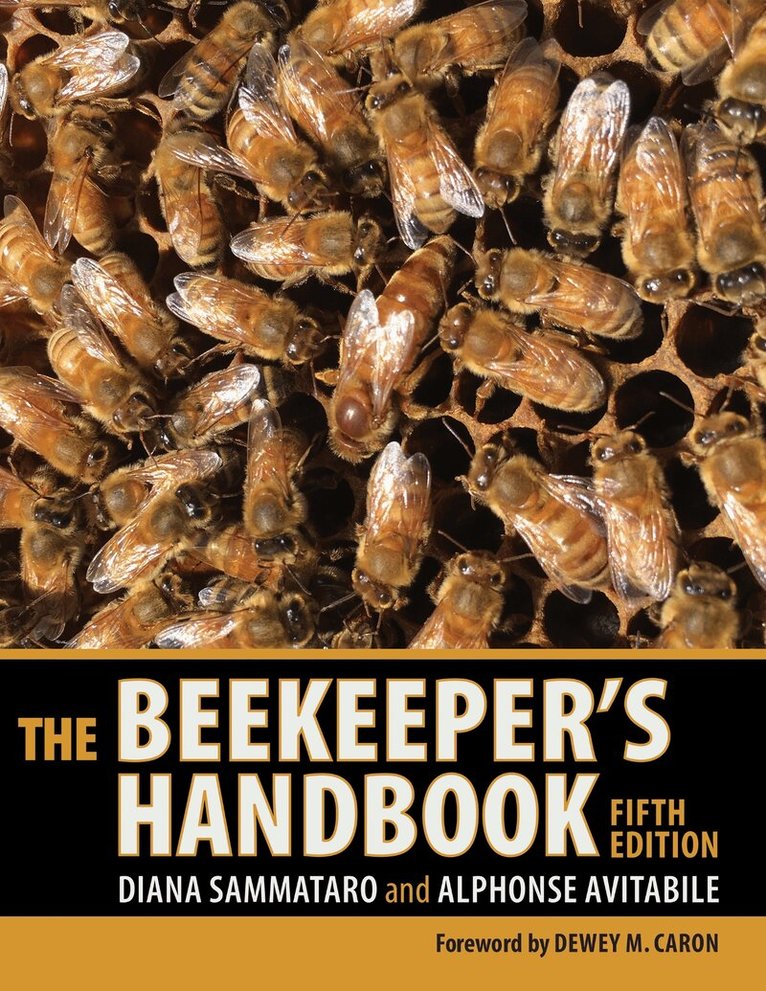
Diana Sammataro and Alphonse Avitabile have created the best single-volume guide to the hobby and profession of beekeeping.The Beekeeper's Handbook provides step-by-step instructions for setting up an apiary, handling bees, and working throughout the season to maintain a healthy colony and a generous supply of honey. Various colony care options and techniques are explained so that beekeepers can make the best choices for their hives.The Beekeeper's Handbook is an invaluable resource for both beginner and veteran beekeepers. This fully updated and expanded fifth edition includes: Hand-drawn instructional diagrams that provide step-by-step instructionsUpdated research regarding the health and behaviors of bees in different habitats and what operations may best suit individual needsInformation on how to identify, treat, and prevent the introduction of Varroa destructor mites and other harmful intruders in a colony
Inbunden, Engelska, 2011
1 742 kr
Skickas inom 10-15 vardagar
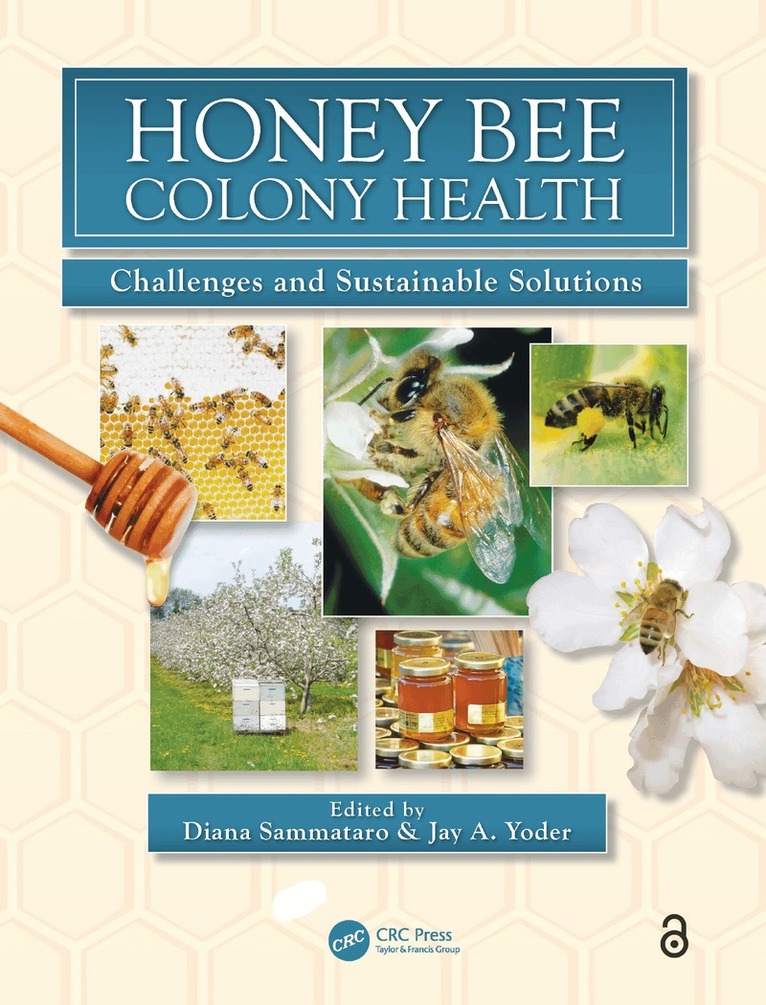
Modern commercial beekeeping has changed from primarily honey production to crop pollination. With this change has come extraordinary stress—colonies are moved multiple times a year, increasing their exposure to diseases, parasites, and hive pests. Antibiotics and acaricides are being applied more frequently, resulting in resistance and comb contamination. The future use of bee colonies as mobile pollinator populations requires modern management methods with fresh perspectives on nutrition, breeding practices, and the role of microbes in sustaining colony health.Honey Bee Colony Health: Challenges and Sustainable Solutions summarizes the current status of honey bees and possible reasons for their decline. This beautifully illustrated volume provides a foundation for management methods that maintain colony health. Integrating discussions of Colony Collapse Disorder, the chapters range from information on the new microsporidian Nosema ceranae pathogens, the current status of the parasitic bee mites, updates on bee viruses, and the effects of these problems on our important bee pollinators. This indispensable text also presents methods for diagnosing diseases and updated information on the current status of bee breeding. Honey bee colonies are in greater demand and are renting for higher fees than ever before. Finding ways to prevent outbreaks of disease and to control parasites is essential for reducing colony losses. The accumulation of knowledge from a range of bee scientists, Honey Bee Colony Health: Challenges and Sustainable Solutions aims to inspire future generations of researchers, beekeepers, and students to continue to study bees and keep them healthy and pollinating.
Inbunden, Engelska, 2017
702 kr
Skickas inom 10-15 vardagar
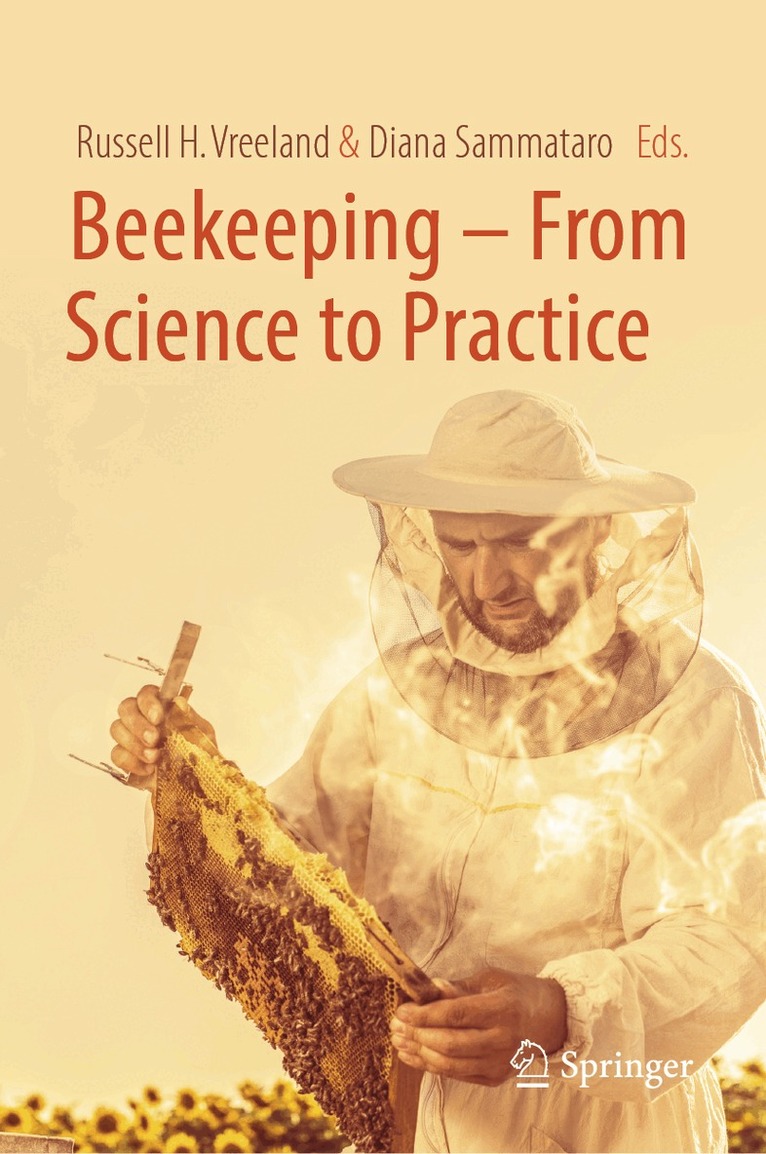
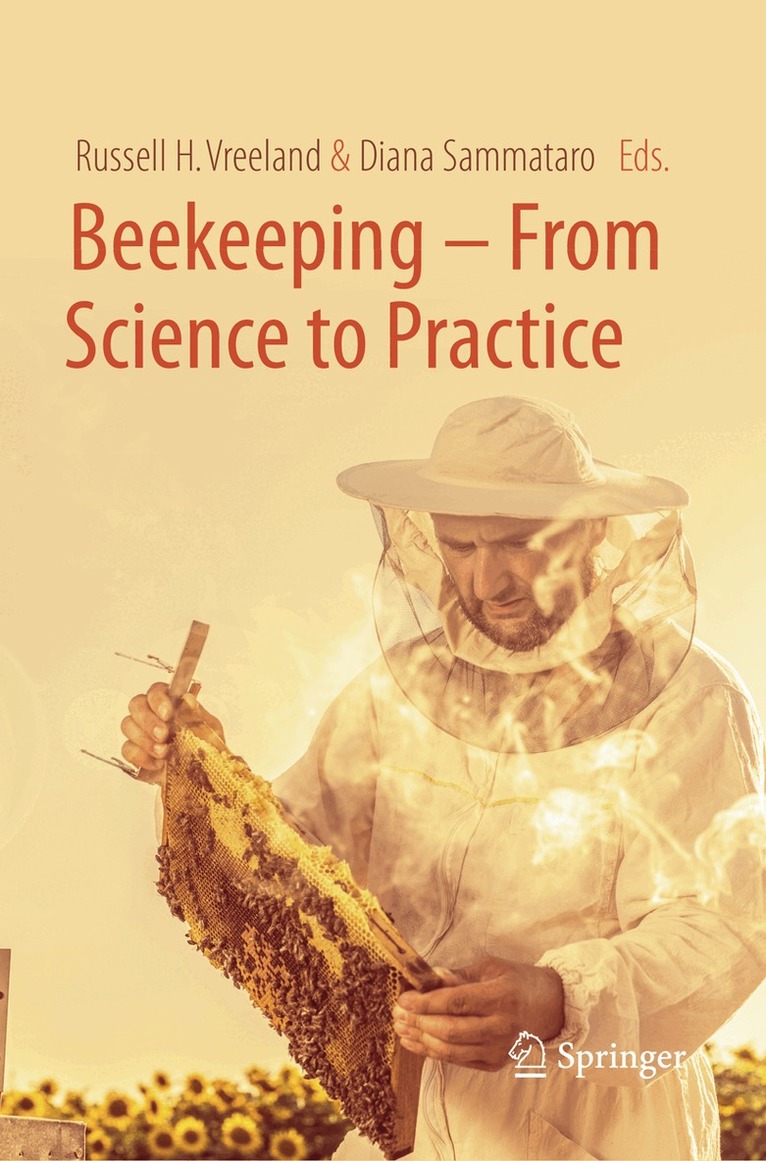
This book will help beekeepers understand the fundamentals of beekeeping science. Written in plain and accessible language by actual researchers, it should be part of every beekeeper’s library. The respective chapters not only present raw data; they also explain how to read and understand the most common figures. With topics ranging from honeybee nutrition to strains of Varroa resistant bees, from the effects of pesticide chemicals to understanding diseases, and including a discussion of venom allergies, the book provides essential “knowhow” that beekeepers will benefit from every time they inspect their hives. Further, each chapter ends with the author explaining how beekeepers can (or cannot) directly utilize the information to enhance their beekeeping operation. The text is structured to facilitate ease of use, with each author addressing the same four issues: 1) What are the specific purposes or goals of these experiments? Or more simply:what have these studies taught us? 2) How should a non-scientist read the data generated? 3) What are the key points in relation to practicing beekeepers’ goals? 4) How can the data or techniques discussed be applied by beekeepers in their own apiaries? This approach allows readers to look up specific information quickly, understand it and even put it to use without having to read entire chapters. Further, the chapters are highly readable and concise. As such, the book offers a valuable guide and faithful companion for all beekeepers, one they can use day in and day out.
E-bok
Engelska, 2017712 kr
Läs direkt efter köp
This book will help beekeepers understand the fundamentals of beekeeping science. Written in plain and accessible language by actual researchers, it should be part of every beekeeper’s library. The respective chapters not only present raw data; they also explain how to read and understand the most common figures. With topics ranging from honeybee nutrition to strains of Varroa resistant bees, from the effects of pesticide chemicals to understanding diseases, and including a discussion of venom allergies, the book provides essential “knowhow” that beekeepers will benefit from every time they inspect their hives. Further, each chapter ends with the author explaining how beekeepers can (or cannot) directly utilize the information to enhance their beekeeping operation. The text is structured to facilitate ease of use, with each author addressing the same four issues: 1) What are the specific purposes or goals of these experiments? Or more simply:what have these studies taught us? 2) How should a non-scientist read the data generated? 3) What are the key points in relation to practicing beekeepers’ goals? 4) How can the data or techniques discussed be applied by beekeepers in their own apiaries? This approach allows readers to look up specific information quickly, understand it and even put it to use without having to read entire chapters. Further, the chapters are highly readable and concise. As such, the book offers a valuable guide and faithful companion for all beekeepers, one they can use day in and day out.
Häftad, Engelska, 2018
504 kr
Skickas inom 10-15 vardagar
This book will help beekeepers understand the fundamentals of beekeeping science. Written in plain and accessible language by actual researchers, it should be part of every beekeeper’s library. The respective chapters not only present raw data; they also explain how to read and understand the most common figures. With topics ranging from honeybee nutrition to strains of Varroa resistant bees, from the effects of pesticide chemicals to understanding diseases, and including a discussion of venom allergies, the book provides essential “knowhow” that beekeepers will benefit from every time they inspect their hives. Further, each chapter ends with the author explaining how beekeepers can (or cannot) directly utilize the information to enhance their beekeeping operation. The text is structured to facilitate ease of use, with each author addressing the same four issues: 1) What are the specific purposes or goals of these experiments? Or more simply:what have these studies taught us? 2) How should a non-scientist read the data generated? 3) What are the key points in relation to practicing beekeepers’ goals? 4) How can the data or techniques discussed be applied by beekeepers in their own apiaries? This approach allows readers to look up specific information quickly, understand it and even put it to use without having to read entire chapters. Further, the chapters are highly readable and concise. As such, the book offers a valuable guide and faithful companion for all beekeepers, one they can use day in and day out.