Dieter Baum – författare
Visar alla böcker från författaren Dieter Baum. Handla med fri frakt och snabb leverans.
20 produkter
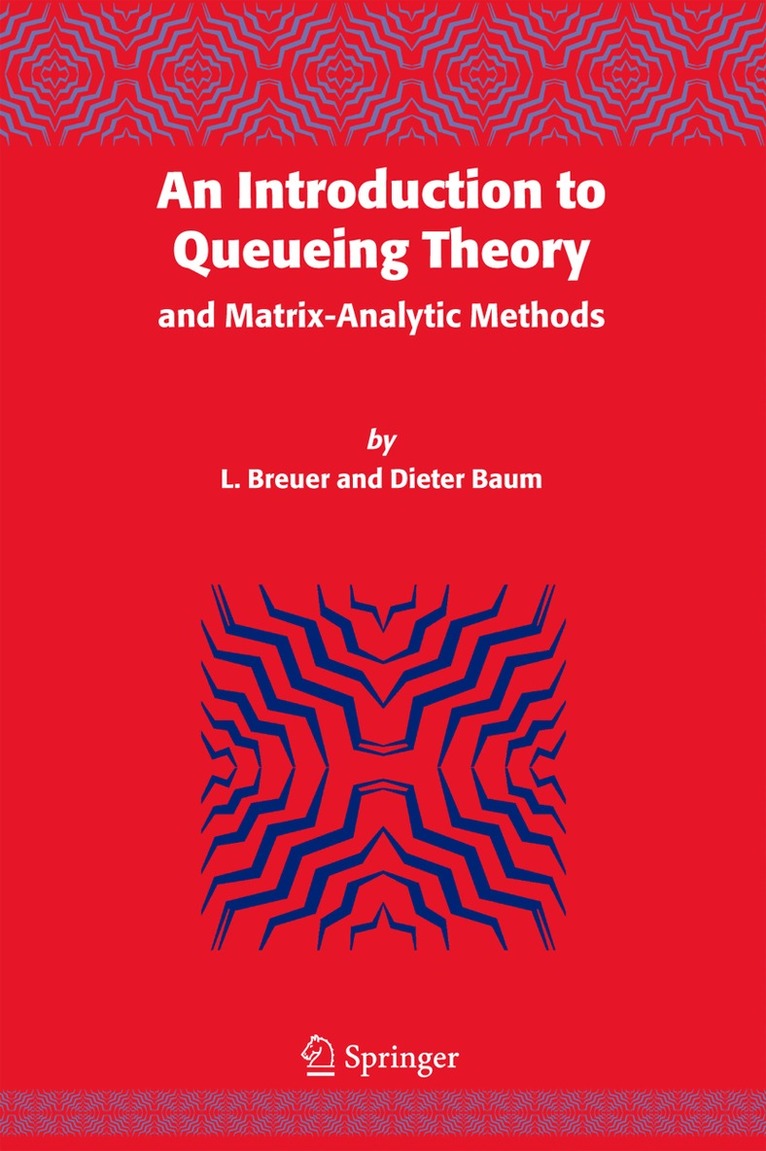
Introduction to Queueing Theory
and Matrix-Analytic Methods
Av L. Breuer, Dieter Baum
Inbunden, 2005
554 kr
Lägg i varukorg
The present textbook contains the recordsof a two–semester course on que- ing theory, including an introduction to matrix–analytic methods. This course comprises four hours oflectures and two hours of exercises per week andhas been taughtattheUniversity of Trier, Germany, for about ten years in - …
Introduction to Queueing Theory
and Matrix-Analytic Methods
Av Dieter Baum, L. Breuer
E-bok, 2006
718 kr
Lägg i varukorg
The present textbook contains the recordsof a two–semester course on que- ing theory, including an introduction to matrix–analytic methods. This course comprises four hours oflectures and two hours of exercises per week andhas been taughtattheUniversity of Trier, Germany, for about ten years in - …
XQuadrat 5. Schuljahr. Schülerbuch Baden-Württemberg
Av Sabine Biere, Carina Börsig m. fl.
Inbunden
482 kr
Lägg i varukorg
XQuadrat 6. Schuljahr. Schülerbuch Baden-Württemberg
Av Johanna Dehoust, Nadine Hinderer m. fl.
Inbunden
473 kr
Lägg i varukorg
XQuadrat 7. Schuljahr - Baden-Württemberg - Schülerbuch
Av Isabelle Aniol, Dieter Baum m. fl.
Inbunden
468 kr
Lägg i varukorg
XQuadrat 8. Schuljahr - Baden-Württemberg - Schülerbuch
Av Dieter Baum, Hannes Klein m. fl.
Inbunden
482 kr
Lägg i varukorg
XQuadrat 8. Schuljahr - Baden-Württemberg - Lösungen zum Schülerbuch
Av Dieter Baum, Hannes Klein m. fl.
Häftad
270 kr
Lägg i varukorg
XQuadrat 9. Schuljahr - Baden-Württemberg - Lösungen zum Schülerbuch
Av Judith Abb, Dieter Baum m. fl.
Häftad
278 kr
Lägg i varukorg
Pythagoras 5. Jahrgangsstufe - Realschule Bayern - Schülerbuch
Av Franz Babl, Evelyn Häusler m. fl.
Inbunden
425 kr
Lägg i varukorg
Pythagoras 6. Jahrgangsstufe - Realschule Bayern - Schülerbuch
Av Franz Babl, Evelyn Häusler m. fl.
Inbunden
433 kr
Lägg i varukorg
Pythagoras 7. Jahrgangsstufe (WPF I) - Realschule Bayern - Schülerbuch
Av Franz Babl, Stephan Baumgartner m. fl.
Inbunden
433 kr
Lägg i varukorg
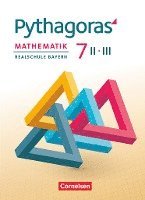
Pythagoras 7. Jahrgangsstufe (WPF II/III) - Realschule Bayern - Schülerbuch
Av Franz Babl, Stephan Baumgartner m. fl.
Inbunden
421 kr
Lägg i varukorg
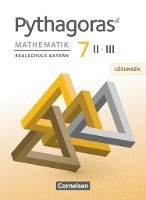
Pythagoras 7. Jahrgangsstufe (WPF II/III) - Lösungen zum Schülerbuch
Av Franz Babl, Stephan Baumgartner m. fl.
Häftad
288 kr
Lägg i varukorg
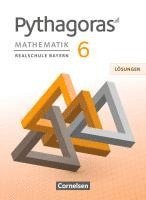
Pythagoras 6. Jahrgangsstufe - Realschule Bayern - Lösungen zum Schülerbuch
Av Franz Babl, Wolfgang Kolander m. fl.
Häftad
252 kr
Lägg i varukorg
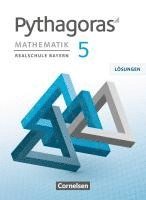
Pythagoras 5. Jahrgangsstufe - Realschule Bayern - Lösungen zum Schülerbuch
Av Franz Babl, Evelyn Häusler m. fl.
Häftad
252 kr
Lägg i varukorg
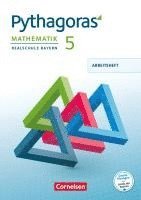
Pythagoras 5. Jahrgangsstufe - Realschule Bayern - Arbeitsheft
Av Franz Babl, Evelyn Häusler m. fl.
Häftad
204 kr
Lägg i varukorg
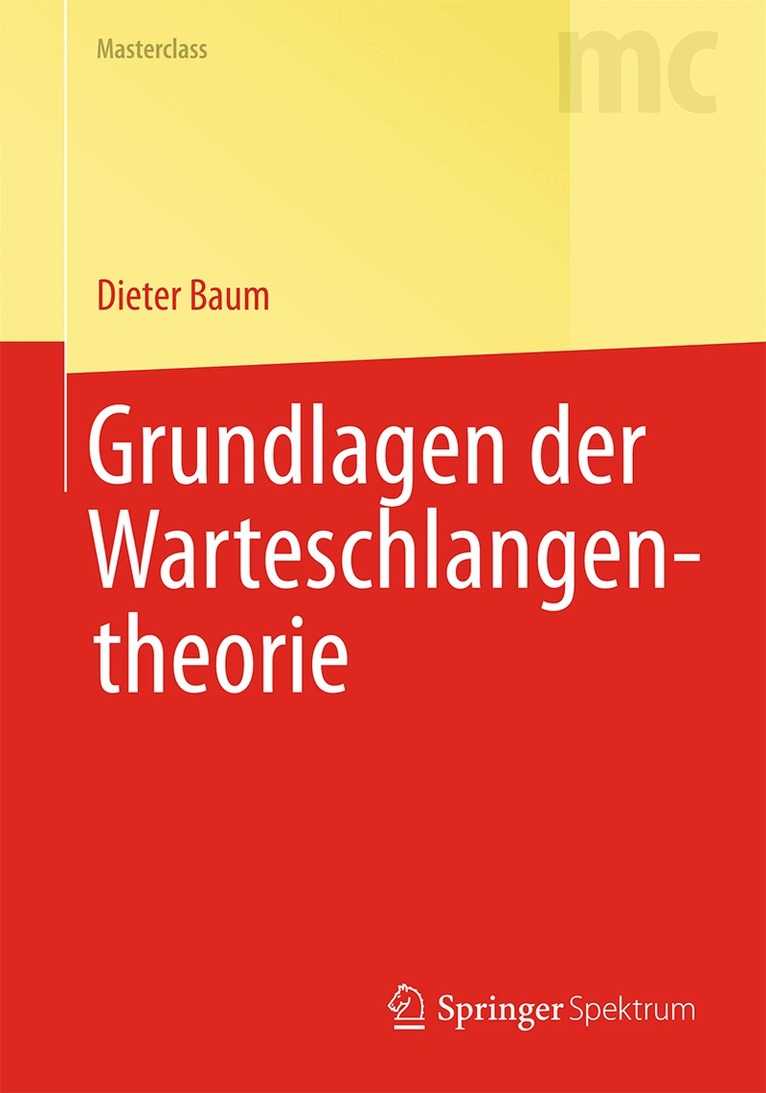
Grundlagen der Warteschlangentheorie
Av Dieter Baum
Inbunden, 2013
873 kr
Lägg i varukorg
Dieses Buch präsentiert die Grundlagen der stochastischen Modellierung — Maßtheorie, Wahrscheinlichkeitstheorie, Theorie stochastischer Prozesse und Markov-Theorie — in ihrer natürlichen Aufbaufolge. Damit und ergänzt durch einen Anhang zu wichtigen Begriffsbildungen der allgemeinen Topologie, …
Grundlagen der Warteschlangentheorie
Av Dieter Baum
E-bok, 2013
913 kr
Lägg i varukorg
Dieses Buch präsentiert die Grundlagen der stochastischen Modellierung — Maßtheorie, Wahrscheinlichkeitstheorie, Theorie stochastischer Prozesse und Markov-Theorie — in ihrer natürlichen Aufbaufolge. Damit und ergänzt durch einen Anhang zu wichtigen Begriffsbildungen der allgemeinen Topologie, …
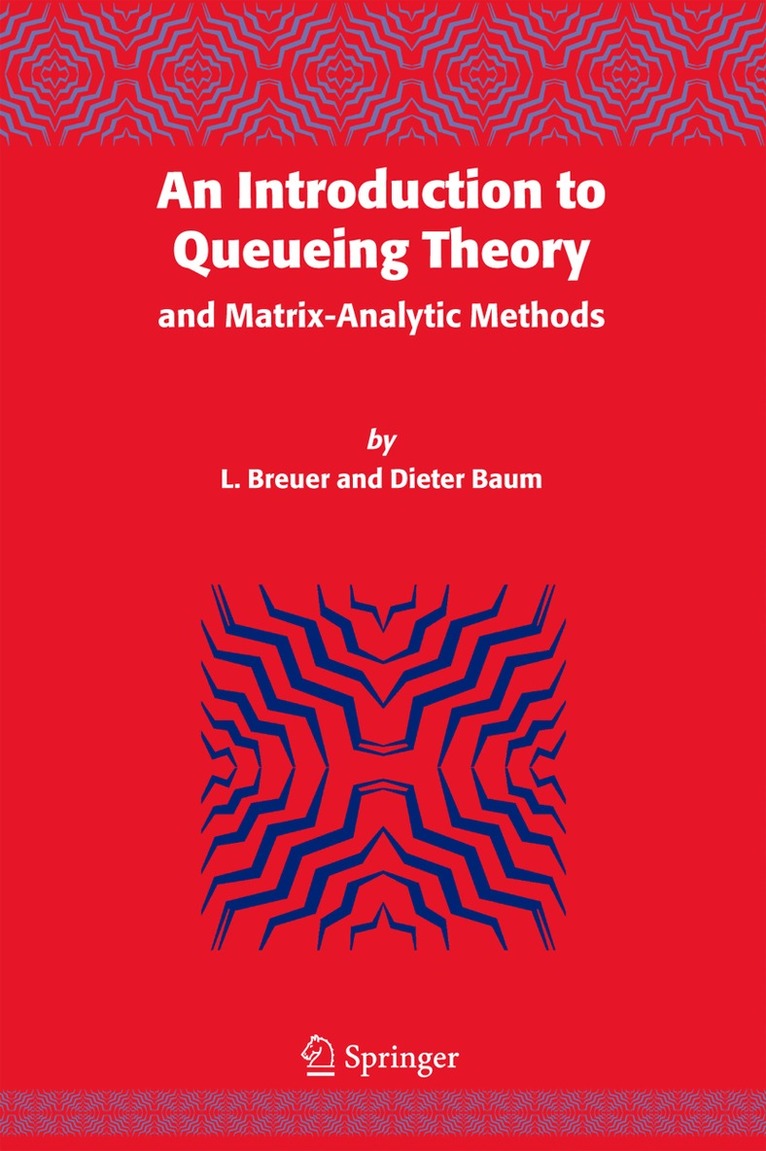
Introduction to Queueing Theory
and Matrix-Analytic Methods
Av L. Breuer, Dieter Baum
Häftad, 2010
552 kr
Lägg i varukorg
The present textbook contains the recordsof a two–semester course on que- ing theory, including an introduction to matrix–analytic methods. This course comprises four hours oflectures and two hours of exercises per week andhas been taughtattheUniversity of Trier, Germany, for about ten years in - …