Dorothy Becvar – författare
3 112 kr
Skickas inom 3-6 vardagar
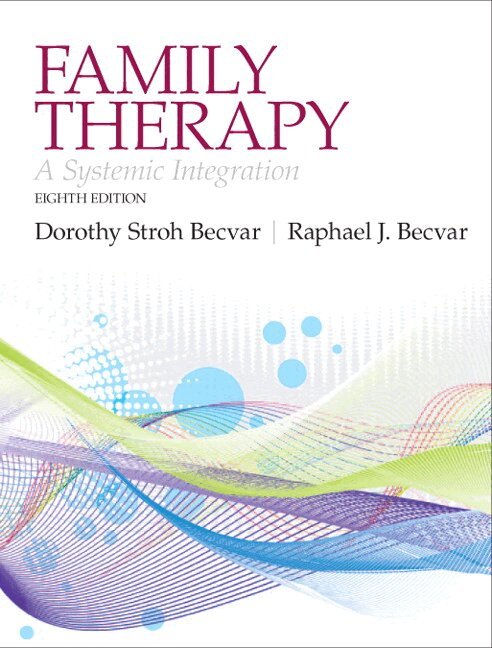
A comprehensive, user-friendly guide to marriage and family therapy that takes a holistic view to look at people within the context of their environment.
Family Therapy helps students understand the process of shifting from an individual psychology paradigm to a cybernetic or systems paradigm. The text is divided into three sections: "The Systemic Framework," "The Practice of Family Therapy," and "The Systemic Practitioner,” and it includes historical information, current developments, and ongoing debates.
Various family and developmental theories are examined. The family therapy models considered include psychodynamic, natural systems, experiential, structural, communications, strategic, behavioral/cognitive, and several post-modern approaches. Assessment, intervention, training and supervision, research, and epistemological challenges are discussed within the context of practice.
Upon completing this book readers will be able to:
Describe and compare various family therapy models Discuss practical applications for different family and developmental theories Review and assess unique family systems to determine the appropriate family therapy model Understand how concepts with the same name differ in meaning at different levels (i.e. 1 st order versus 2nd order cybernetics)582 kr
Skickas inom 5-8 vardagar
1 944 kr
Skickas inom 10-15 vardagar
709 kr
Skickas inom 10-15 vardagar
1 086 kr
Skickas inom 7-10 vardagar
A comprehensive, user-friendly guide to marriage and family therapy that takes a holistic view to look at people within the context of their environment.
Family Therapy helps students understand the process of shifting from an individual psychology paradigm to a cybernetic or systems paradigm. The text is divided into three sections: "The Systemic Framework," "The Practice of Family Therapy," and "The Systemic Practitioner,” and it includes historical information, current developments, and ongoing debates.
Various family and developmental theories are examined. The family therapy models considered include psychodynamic, natural systems, experiential, structural, communications, strategic, behavioral/cognitive, and several post-modern approaches. Assessment, intervention, training and supervision, research, and epistemological challenges are discussed within the context of practice.
Learning Goals
Upon completing this book readers will be able to:
Describe and compare various family therapy models Discuss practical applications for different family and developmental theories Review and assess unique family systems to determine the appropriate family therapy model Understand how concepts with the same name differ in meaning at different levels (i.e. 1 st order versus 2nd order cybernetics)836 kr
Läs direkt efter köp
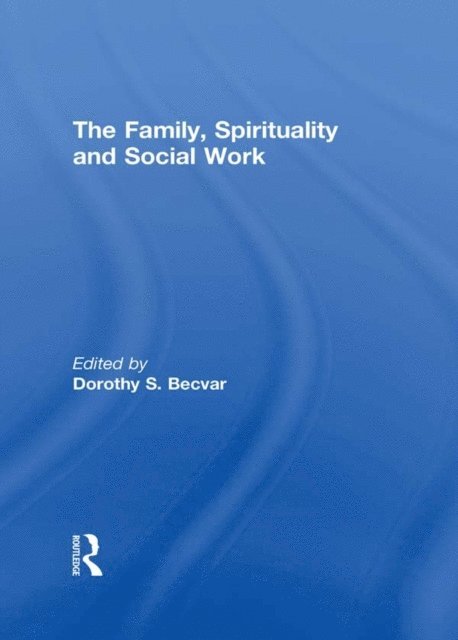
One of the few books on this topic, The Family, Spirituality, and Social Work offers mental health professionals new information and research for creating more positive, effective, and satisfying sessions. You will learn how integrating spirituality and therapy can create open and trusting environments where clients feel accepted, respected, and spiritually affirmed.Studies show that religion is not only a way for people to be closer to their god but is also a part of their identity that dictates what they do, how they think, and who they are. The Family, Spirituality, and Social Work will help you understand what religion means to your clients and discusses different methods of answering the questions, “What is religion?” and “How does religion affect our lives?” In addition, you will gain insight into:
how a social constructionist perspective can create the most successful sessions for your patients cases studies of how therapists’personal biases, lack of adequate education, personal discomfort, and self-serving needs may contribute to problems and complications in therapy the importance of including spirituality in the education of social workers and other therapists in order to avoid problems and complications with clients the nine major components of spirituality, defined in psychological terms the guidance women may need in therapy to find themselves spiritually given male-centered biases and patriarchal values in many spiritual traditions the seven steps used to help women find their spirituality, including awakening and discovering, as well as a practice model that will help practitioners address women’s spirituality how and why the relational systems model (RSM) can promote wholeness and growth in family therapy groupsProviding you with information on how people perceive religion and spirituality, The Family, Spirituality, and Social Work also features studies of the therapeutic needs of those with different religious beliefs. With this solid knowledge and understanding of religion and spirituality and how it may affect clients, you will create a trusting environment that enhances your clients’experiences and makes you a more successful practitioner.836 kr
Läs direkt efter köp
One of the few books on this topic, The Family, Spirituality, and Social Work offers mental health professionals new information and research for creating more positive, effective, and satisfying sessions. You will learn how integrating spirituality and therapy can create open and trusting environments where clients feel accepted, respected, and spiritually affirmed.Studies show that religion is not only a way for people to be closer to their god but is also a part of their identity that dictates what they do, how they think, and who they are. The Family, Spirituality, and Social Work will help you understand what religion means to your clients and discusses different methods of answering the questions, “What is religion?” and “How does religion affect our lives?” In addition, you will gain insight into:
how a social constructionist perspective can create the most successful sessions for your patients cases studies of how therapists’personal biases, lack of adequate education, personal discomfort, and self-serving needs may contribute to problems and complications in therapy the importance of including spirituality in the education of social workers and other therapists in order to avoid problems and complications with clients the nine major components of spirituality, defined in psychological terms the guidance women may need in therapy to find themselves spiritually given male-centered biases and patriarchal values in many spiritual traditions the seven steps used to help women find their spirituality, including awakening and discovering, as well as a practice model that will help practitioners address women’s spirituality how and why the relational systems model (RSM) can promote wholeness and growth in family therapy groupsProviding you with information on how people perceive religion and spirituality, The Family, Spirituality, and Social Work also features studies of the therapeutic needs of those with different religious beliefs. With this solid knowledge and understanding of religion and spirituality and how it may affect clients, you will create a trusting environment that enhances your clients’experiences and makes you a more successful practitioner.